
How to Make Tender Beef Nihari at Home – Step‑by‑Step Guide for Beginners
Learn the easy, stovetop method to create melt‑in‑your‑mouth beef nihari without a pressure cooker. Follow detailed steps, tips, and troubleshooting for perfect results.
Learn how to make tender beef nihari at home – step‑by‑step guide for beginners. Learn the easy, stovetop method to create melt‑in‑your‑mouth beef nihari without a pressure cooker. Follow detailed steps, tips, and troubleshooting for perfect results. This comprehensive guide will walk you through everything you need to know, from the materials and tools required to detailed step-by-step instructions. Whether you're a intermediate, this guide has you covered.
What You'll Need
Materials
- Beef shank or stew meat with bone(1.5 kg (≈3.3 lbs))
Provides gelatin for rich broth; bone adds flavor
Where to find: Local butcher or supermarket meat department
Cost: $15.00
- Cooking oil (vegetable or canola)(1 cup (240 ml))
Used for frying aromatics and later for tare
Where to find: Grocery store aisle
Cost: $2.00
- Ginger‑garlic paste(3 tbsp)
Base aromatics; can be homemade or store‑bought
Where to find: Asian foods section or make at home
Cost: $1.50
- Nihari masala (homemade or packet)(4 tbsp)
Core spice blend; see description for homemade recipe link
Where to find: Channel description link or spice aisle
Cost: $3.00
- Water(8 cups (2 liters))
Creates the broth; adjust for desired consistency
Where to find: Tap
- Besan (gram flour)(2 tbsp)
Part of the thickening slurry
Where to find: Indian grocery aisle
Cost: $0.30
- Wheat flour (atta) or all‑purpose flour(2 tbsp)
Combined with besan for slurry; any plain flour works
Where to find: Grocery store
Cost: $0.20
- Kashmiri red chili powder(1 tsp)
Adds color and mild heat to tare
Where to find: Spice aisle
Cost: $0.40
- Salt(To taste)
Seasoning; add gradually
Where to find: Pantry
Cost: $0.05
Tools
- Heavy‑bottomed pan or Dutch oven (5‑6 L)
Retains heat for even slow cooking
Alternatives: Thick‑walled stainless pot
- Stove (gas or electric)
Provides controlled heat for simmering
Alternatives: Induction cooktop
- Wooden spoon or silicone spatula
Stirring without scratching the pan
Alternatives: Heat‑resistant silicone spoon
- Measuring cups and spoons
Accurate ingredient portions
Alternatives: Digital kitchen scale
- Lid for the pan
Traps steam for tenderizing meat
Alternatives: Aluminum foil
Step-by-Step Instructions
Heat oil and sauté aromatics
Add oil to the pan, heat, then stir‑in ginger‑garlic paste.
Begin by placing the heavy‑bottomed pan over medium heat and pouring in one cup of cooking oil. Allow the oil to shimmer—this indicates it has reached the right temperature for sautéing. Add three tablespoons of ginger‑garlic paste, spreading it evenly across the surface. Cook for 30‑45 seconds, stirring constantly, until the raw aroma dissipates and a faint golden hue appears. This brief sauté releases the essential oils from the ginger and garlic, forming a fragrant foundation that will permeate the entire stew. Over‑cooking at this stage can introduce bitterness, so keep a close eye and stir continuously.
2 minutes
Tips:
- Use medium heat to avoid burning the paste.
- If the paste sticks, add a splash more oil.
Warnings:
- Do not let the paste darken; it can become acrid.
Brown the beef
Add beef pieces and sear until lightly browned on all sides.
Introduce the 1.5 kg of beef shank (or your chosen cut) into the pan, spreading the pieces out so they make contact with the hot oil. Increase the heat slightly to medium‑high and let the meat sear without moving it for about 2‑3 minutes per side. This browning step creates Maillard reactions, which develop deep, savory flavors and a richer color in the final broth. As the meat releases its juices, stir occasionally to ensure even caramelization. If you notice the pan drying out, drizzle a little extra oil to maintain a glossy coating. Proper browning is crucial; skipping it results in a flat‑tasting nihari.
8 minutes
Tips:
- Pat the beef dry with paper towels before adding to reduce splatter.
- Use a splatter guard if you have one.
Warnings:
- Hot oil can splatter; keep a safe distance and use a lid partially.
Add nihari masala and coat the meat
Stir in the nihari masala and cook for several minutes.
Once the beef is nicely browned, sprinkle four tablespoons of nihari masala over the meat. Mix thoroughly so every piece is coated with the spice blend. Continue to cook for 5‑7 minutes, allowing the spices to toast lightly. This step awakens the complex flavors of cumin, coriander, fennel, and other aromatics within the masala, while also helping the spices adhere to the meat. The mixture should become fragrant and slightly oily; if it starts to stick, add a tablespoon of water to deglaze. Properly toasting the masala prevents raw spice taste and builds the signature depth of nihari.
7 minutes
Tips:
- Taste a tiny pinch of the masala before adding to gauge heat level.
- If you prefer milder heat, reduce the chili component in the masala.
Warnings:
- Do not burn the masala; lower heat if you see dark specks forming.
Add water and simmer low and slow
Pour water, cover, and let the stew cook for 4‑5 hours.
After the spices have melded with the meat, carefully pour eight cups of water into the pan, ensuring the beef is fully submerged. Bring the mixture to a gentle boil, then reduce the heat to low, allowing a slow simmer. Cover the pan with a tight‑fitting lid to trap steam, which helps break down collagen in the meat, turning it tender and gelatinous. Let the stew cook for 4‑5 hours, checking occasionally after the third hour to ensure the liquid hasn’t evaporated completely; add a splash of water if needed. Patience is key—this long, low‑heat cooking transforms tough shank into melt‑in‑your‑mouth pieces and creates a silky broth.
4-5 hours
Tips:
- Stir gently every hour to prevent sticking.
- If you’re short on time, a pressure cooker can reduce this to 45 minutes, but the flavor develops best with slow simmer.
Warnings:
- Do not let the broth boil vigorously; it can toughen the meat.
Prepare the flour slurry (lui)
Mix besan and wheat flour with a little water to form a smooth paste.
While the meat is simmering, combine two tablespoons of besan (gram flour) and two tablespoons of wheat flour (atta) in a small bowl. Gradually whisk in enough cold water—about ¼ cup—to create a smooth, lump‑free slurry. This mixture acts as a thickening agent that will give the nihari its characteristic body without adding extra oil. The combination of gram flour and wheat flour provides both flavor and a glossy finish. Once the slurry is ready, set it aside; you’ll add it to the pot in the next step to achieve the perfect consistency.
5 minutes
Tips:
- Use cold water; hot water can cause the flour to clump.
- Whisk vigorously to avoid lumps.
Thicken the gravy with the slurry
Stir the slurry into the simmering pot and cook for 5‑7 minutes.
When the meat is fork‑tender and the broth is aromatic, remove the lid and lower the heat to medium‑low. Slowly pour the prepared slurry into the pot while continuously whisking to prevent lumps. The gravy will begin to thicken within a minute, turning a richer, velvety texture. Continue to cook for another 5‑7 minutes, allowing the flour to cook through and the oil to emulsify into the sauce, which reduces the greasy layer on top. Adjust the consistency by adding a little more water if the gravy becomes too thick, or a pinch more slurry for a thicker result. This step is crucial for achieving the signature silky nihari sauce.
7 minutes
Tips:
- Taste and adjust salt now; the thickened gravy concentrates flavors.
- If you prefer a thinner broth, add ½ cup water before the final simmer.
Warnings:
- Do not add the slurry too quickly; it can form lumps.
Prepare the tare (oil‑spiced chili) and finish
Heat oil with Kashmiri chili powder, then drizzle over the nihari before serving.
In a small skillet, heat a tablespoon of cooking oil over medium heat. Add one teaspoon of Kashmiri red chili powder and stir for 10‑15 seconds until the oil turns a deep, vibrant red and releases a fragrant aroma. This quick tempering, called "tare," adds a glossy finish and a subtle heat boost without overwhelming the dish. Once the tare is ready, turn off the heat and set it aside. Finally, give the nihari a gentle stir, taste for seasoning, and ladle it into serving bowls. Drizzle the prepared tare over each bowl, garnish with fresh cilantro, sliced ginger, or lemon wedges if desired, and enjoy the melt‑in‑your‑mouth goodness.
3 minutes
Tips:
- Use Kashmiri chili for color without excessive heat.
- Serve with naan, kulcha, or steamed basmati rice.
Warnings:
- Do not over‑heat the chili powder; it can become bitter.
Conclusion
You've now learned how to make tender beef nihari at home – step‑by‑step guide for beginners! By following these 7 detailed steps, you should be able to successfully complete this task. Remember to use a heavy‑bottomed pan to prevent scorching during the long simmer.. If you encounter any issues, refer back to the troubleshooting section above.
Common Mistakes to Avoid
❌ Skipping the initial browning of the meat.
✅ Always sear the beef until lightly browned; this builds flavor through Maillard reactions.
❌ Adding the flour slurry too fast, causing lumps.
✅ Whisk the slurry in a small bowl first, then pour slowly while stirring continuously.
❌ Boiling the stew vigorously after adding water.
✅ Maintain a gentle simmer; high heat toughens the meat and makes the broth cloudy.
Troubleshooting
Problem: Gravy is too thin after simmering.
Solution: Prepare a second slurry with equal parts besan and flour, whisk, and add gradually while simmering.
Problem: Meat is still tough after 5 hours.
Solution: Check that the pot is covered tightly and the heat is low; add a little more water and continue simmering.
Problem: Excess oil separates on top of the broth.
Solution: Skim the oil with a spoon before adding the slurry, or let the nihari rest off‑heat for 10 minutes and then skim.
Frequently Asked Questions
Can I use a pressure cooker instead of a pan?
Yes, a pressure cooker reduces cooking time to about 45 minutes, but the slow simmer develops a deeper flavor and silkier texture.
What cut of beef works best for nihari?
Beef shank or chuck with bone is ideal because the collagen melts into the broth, creating a rich, gelatinous base.
How can I make the nihari spicier?
Increase the amount of Kashmiri chili powder in the tare or add a pinch of ground cayenne to the masala during step 3.
Is it okay to freeze leftover nihari?
Absolutely. Cool the stew completely, portion into airtight containers, and freeze for up to 3 months. Reheat gently on the stove.
Can I substitute the flour slurry with cornstarch?
Cornstarch works but gives a glossy, slightly different texture; use half the amount of cornstarch mixed with cold water.
Quick Info
- Difficulty
- Intermediate
- Time Required
- 5-6 hours (including simmering)
- Estimated Cost
- $22.45 USD
- Category
- Food & Cooking
Safety First
- •Handle hot oil with care; use long handles and keep children away.
- •Never leave the simmering pot unattended for long periods.
- •Use oven mitts when lifting the heavy pan lid to avoid steam burns.
Pro Tips
- •Use a heavy‑bottomed pan to prevent scorching during the long simmer.
- •Skim off excess oil after the slurry thickens for a cleaner broth.
- •If the meat isn’t as soft as desired, continue simmering in small increments of 30 minutes.
- •Add a few whole cloves or a cinnamon stick during simmering for extra depth.
- •For a richer flavor, replace part of the water with beef stock.
Before You Start
- Basic knife skills for cutting meat
- Understanding of simmer vs. boil
- Familiarity with measuring spices
What's Next?
- →Experiment with adding boiled eggs or fried onions as toppings
- →Try a vegetarian version using soy chunks and mushrooms
- →Learn to make accompanying naan or kulcha from scratch
Related How-To Guides

How to Make Pokemon-Themed Desserts for Kids - Step by Step Fun Guide
Learn how to create adorable Pokemon-inspired desserts that kids will love. This step‑by‑step guide covers everything from planning the theme to decorating with fondant and candy, perfect for birthday parties or a fun family activity.

How to Make Perfect No-Knead French Baguettes – Crispy, Light, Step‑by‑Step for Beginners
Learn to bake authentic French baguettes at home without kneading. This step‑by‑step guide covers mixing, folding, shaping, and steaming for a crispy crust and airy crumb.

How to Make Kid-Friendly One-Pot Meals - 10 Easy Recipes for Busy Parents
Learn to whip up ten quick, nutritious one‑pot meals that kids love. From squid stir‑fry to shrimp oat risotto, each recipe uses simple ingredients, minimal cleanup, and kid‑approved flavors.

How to Make Rich Dried Pollack Soup – Step by Step Guide for Beginners
Learn to create a deep‑flavored, milky dried pollack (북어) soup that tastes like it was simmered in a traditional Korean cauldron. This guide walks you through every step, from prepping the fish to perfecting the broth.
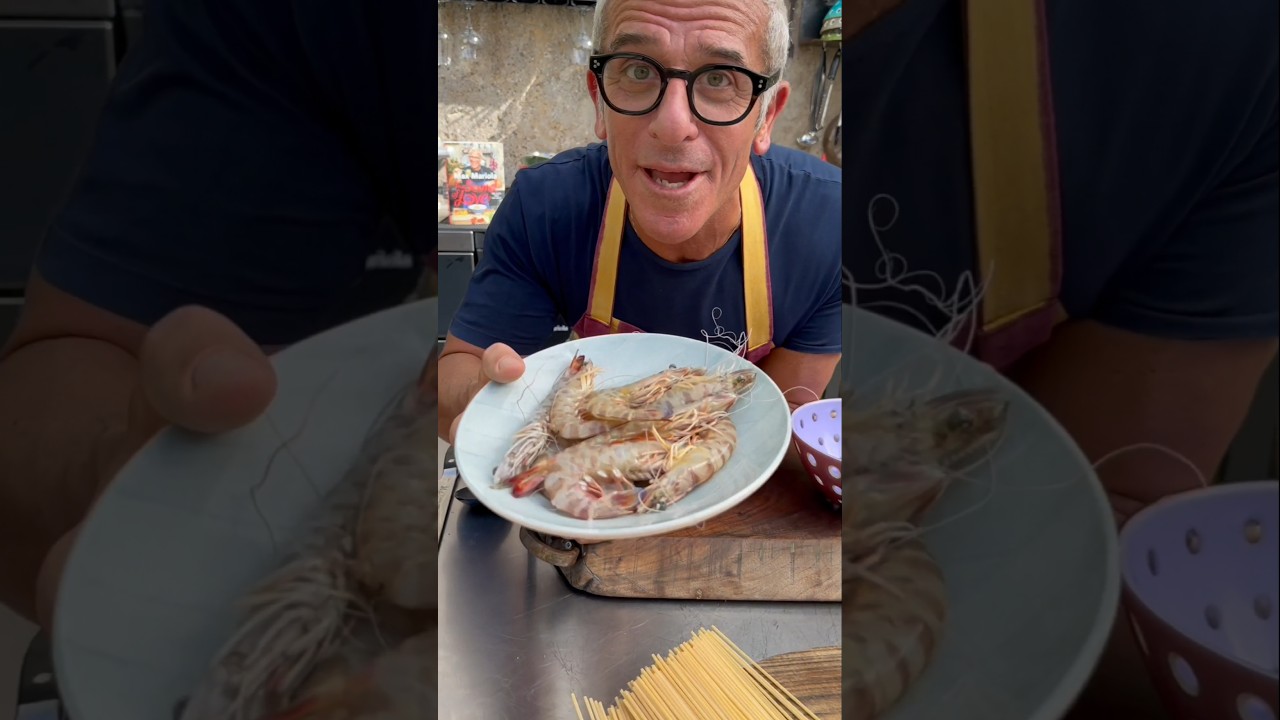
How to Make Creamy Shrimp Spaghetti – Step‑by‑Step Guide for Home Cooks
Learn to create a restaurant‑quality shrimp pasta in under an hour. This guide walks you through cleaning fresh mazzancolle, building a fragrant shrimp stock, and finishing a silky cream sauce that coats every strand of spaghetti.
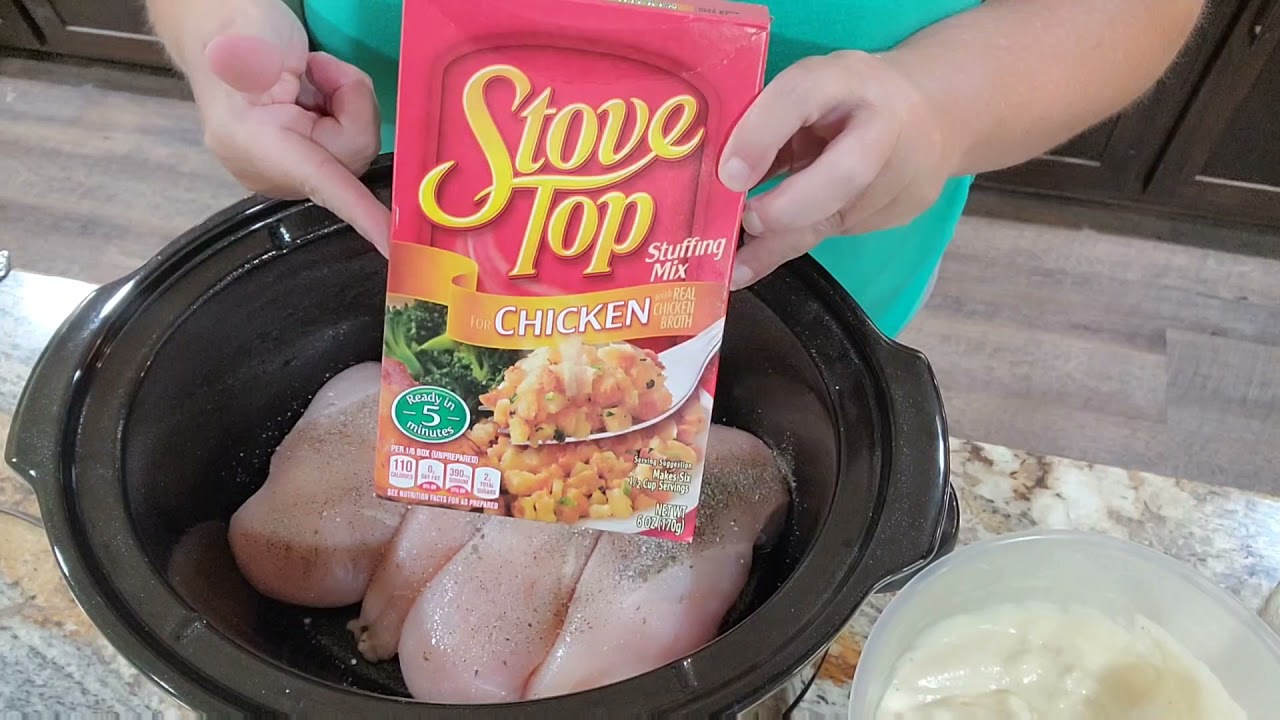
How to Make Summertime Thanksgiving in a Crock Pot Bowl - Easy One-Pot Meal
Learn to create a delicious Thanksgiving‑in‑the‑summer one‑pot dish using a crock pot, chicken, stuffing, and fresh summer sides. Perfect for busy days, this recipe cooks while you work and serves a comforting, festive meal in under five hours.