
How to Make Perfect No-Knead French Baguettes – Crispy, Light, Step‑by‑Step for Beginners
Learn to bake authentic French baguettes at home without kneading. This step‑by‑step guide covers mixing, folding, shaping, and steaming for a crispy crust and airy crumb.
Learn how to make perfect no-knead french baguettes – crispy, light, step‑by‑step for beginners. Learn to bake authentic French baguettes at home without kneading. This step‑by‑step guide covers mixing, folding, shaping, and steaming for a crispy crust and airy crumb. This comprehensive guide will walk you through everything you need to know, from the materials and tools required to detailed step-by-step instructions. Whether you're a beginner, this guide has you covered.
What You'll Need
Materials
- Bread flour (type 650)(450 g (3.75 cups))
Provides high protein for gluten development
Where to find: Grocery store baking aisle or online bulk retailer
Cost: $3.50
- Active dry yeast(5 g (1½ teaspoons))
Leavens the dough; use fresh yeast if preferred
Where to find: Baking aisle, refrigerated section, or online
Cost: $0.80
- Cold water (64–68°F)(315 ml (1⅓ cups))
Controls fermentation speed and gluten elasticity
Where to find: Tap water, chilled in refrigerator
- Fine sea salt(6 g (1 teaspoon))
Enhances flavor and tightens gluten after autolyse
Where to find: Spice aisle or bulk bins
Cost: $0.10
- Olive oil (optional for greasing)(1 tsp)(Optional)
Prevents dough from sticking to the bowl during rests
Where to find: Cooking oil aisle
Cost: $0.15
- Cornmeal or parchment paper(1 tbsp)(Optional)
Creates a non‑stick surface on the baking tray
Where to find: Baking aisle
Cost: $0.05
Tools
- Large mixing bowl
Holds dough for mixing and resting
Alternatives: Dutch oven, Stainless steel pot
- Whisk
Evenly distributes flour and yeast
Alternatives: Fork, Hand mixer (low speed)
- Bench scraper
Handles dough folds and transfers without tearing
Alternatives: Plastic spatula, Sharp knife
- Baking tray (metal)
Provides even heat and space for steam
Alternatives: Pizza stone, Cast‑iron sheet pan
- Oven‑safe second tray or large roasting pan
Creates a steam dome during the first half of baking
Alternatives: Aluminum foil tent, Dutch oven lid
- Lame or sharp razor blade
Scores the baguettes for controlled oven spring
Alternatives: Sharp kitchen knife, Bread scoring tool
Step-by-Step Instructions
Combine Flour and Yeast
Whisk together bread flour and dry yeast in a large bowl.
Start by measuring 450 g of bread flour into a clean mixing bowl. Sprinkle the 5 g of active dry yeast evenly over the flour. Using a whisk, stir the two dry components together until they are uniformly blended. This ensures the yeast is distributed throughout the flour, preventing pockets of over‑ or under‑fermentation later on. A thorough dry mix also helps the later addition of water to hydrate the flour consistently, which is crucial for the autolyse stage that follows. If you notice clumps, break them up with the whisk until the mixture appears homogenous and free of visible yeast granules.
5 minutes
Tips:
- Sift the flour for extra lightness
- Use a glass or stainless bowl to see the mixture clearly
Add Cold Water and Autolyse
Pour 315 ml cold water into the bowl and mix until no dry flour remains.
Cold water, measured at 64–68 °F, slows yeast activity, giving the dough time to develop gluten without over‑proofing. Slowly pour the water over the flour‑yeast mixture while stirring with a wooden spoon or your hand. Mix until the dough comes together and there are no visible dry spots. This stage is called an autolyse, where enzymes in the flour begin breaking down starches into sugars, feeding the yeast later. The dough will look shaggy and slightly sticky, which is normal. If any dry flour remains, lightly dampen your fingertips and pat the flour into the dough; avoid adding extra water as it can alter the hydration balance needed for a crisp crust.
10 minutes
Tips:
- Use a kitchen scale for precise water measurement
- Let the dough rest for a few minutes if it feels too wet
Warnings:
- Do not over‑mix; the goal is just to hydrate the flour
Rest the Dough (Autolyse Period)
Cover the bowl and let the dough rest for 20 minutes.
Cover the bowl with a clean kitchen towel or plastic wrap to keep the surface from drying out. This 20‑minute rest allows the flour to fully absorb the water, which strengthens the gluten network naturally without kneading. During this period, the dough becomes more extensible, making the later folding steps easier and more effective. The yeast also begins a gentle fermentation, creating subtle flavor notes that will develop further during bulk fermentation. Resist the urge to check the dough frequently; the rest should be uninterrupted to maximize gluten alignment.
20 minutes
Tips:
- Place the bowl in a slightly warm spot (around 70 °F) for consistent fermentation
- If your kitchen is cool, extend the rest by 5‑10 minutes
Incorporate Salt and First Fold
Moisten the salt, sprinkle it over the dough, and perform 10‑12 folds.
Dissolve the 6 g of fine sea salt in a tiny splash of water (or simply wet your hand) to speed up its integration. Sprinkle the damp salt evenly over the rested dough. Using a wet hand, gently lift the edge of the dough and fold it toward the center, rotating the bowl after each fold. Perform this motion 10‑12 times; each fold stretches and aligns the gluten strands, mimicking the effect of kneading but with far less effort. The dough will feel smoother and more cohesive after the folds. This step also distributes the salt, which not only seasons the bread but also tightens the gluten, improving structure.
8 minutes
Tips:
- Keep your hand slightly wet to prevent sticking
- Fold from the outer edge toward the middle for even tension
Warnings:
- Do not add extra flour during folding; it will make the baguette dense
Bulk Fermentation and Second Fold
Cover and let the dough rise until doubled, then repeat folding.
After the first fold, cover the bowl again and let the dough rest for 30 minutes. This rest period is part of the bulk fermentation, during which yeast multiplies, producing carbon dioxide that expands the dough. Once the dough has visibly puffed and roughly doubled in size, perform a second set of 10‑12 folds using the same technique as before. This second folding reinforces the gluten network and redistributes gases, ensuring an even crumb structure. After the second fold, cover and let the dough continue to rise until it reaches its full volume—about 1 to 1.5 hours depending on ambient temperature. The dough should feel soft, elastic, and slightly tacky to the touch.
1 hour 30 minutes
Tips:
- If the dough hasn't doubled after 1 hour, give it another 15‑20 minutes
- A warm (75 °F) kitchen speeds up fermentation
Warnings:
- Avoid over‑proofing; the dough will collapse and lose oven spring
Divide and Pre‑Shape the Baguettes
Turn the dough onto a floured surface, divide into three pieces, and pre‑shape.
Lightly flour your work surface and gently turn the risen dough onto it, being careful not to deflate it. Using a bench scraper, cut the dough into three equal portions, each weighing about 250 g. Take one piece, fold the edges toward the center to create a rough rectangle, then roll it gently into a tight log about 14‑16 inches long. This pre‑shaping step creates surface tension, which is essential for a good rise in the oven. Place the shaped logs on a parchment‑lined tray, cover with a damp towel, and let them rest for 15 minutes. This short rest relaxes the gluten, making the final shaping easier.
15 minutes
Tips:
- Handle the dough gently; a light touch preserves the gas bubbles
- If the dough sticks, dust the surface with a little extra flour
Final Shaping and Proof
Shape each piece into a baguette, let rest, then score.
Take a rested log and, using both hands, gently stretch it lengthwise while rotating to form a classic baguette silhouette—tapered ends and a uniform middle. Place the shaped baguettes on a cornmeal‑dusted baking tray or parchment paper, leaving enough space between them for expansion. Cover loosely with a clean kitchen towel and let them proof for another 30 minutes. During this final proof, the dough will rise slightly and develop a glossy surface. Just before baking, lightly dust the tops with flour and use a lame or sharp razor to make 3‑4 diagonal slashes about ¼ inch deep. Scoring controls the expansion, giving the baguette its characteristic ear and allowing steam to escape for a crisp crust.
30 minutes
Tips:
- Score quickly and confidently to avoid dragging the dough
- A shallow cut yields a subtle ear; deeper cuts create a dramatic split
Warnings:
- Do not over‑score; the dough may deflate
Bake with Steam for a Crispy Crust
Bake at 220 °C (428 °F) for 15 minutes covered, then 15 minutes uncovered.
Preheat your oven to 220 °C (428 °F) with a metal baking tray on the lower rack. When the oven reaches temperature, place the tray with the baguettes on the middle rack. Immediately pour a cup of hot water onto the preheated lower tray and quickly close the oven door; the water creates steam that keeps the crust flexible, allowing maximal oven spring. Cover the baguettes with a second tray or an inverted metal pan to trap the steam for the first 15 minutes. After this period, remove the top tray to expose the crust, and continue baking for another 15 minutes until the loaves turn deep golden brown and emit a hollow sound when tapped. The steam evaporates, forming the signature crackly crust while the interior stays airy and soft.
30 minutes
Tips:
- Rotate the tray halfway through for even browning
- If you lack a second tray, tent the loaf with foil for the first half
Warnings:
- Be careful when adding water; hot steam can cause burns
Conclusion
You've now learned how to make perfect no-knead french baguettes – crispy, light, step‑by‑step for beginners! By following these 8 detailed steps, you should be able to successfully complete this task. Remember to use a kitchen scale for precise measurements; baker’s percentages improve consistency.. If you encounter any issues, refer back to the troubleshooting section above.
Common Mistakes to Avoid
❌ Adding extra flour during folding
✅ Resist the urge to flour the dough; extra flour makes the baguette dense. Use a wet hand instead.
❌ Over‑proofing the dough
✅ Watch the dough, not the clock. When it doubles in size and feels airy, move to shaping immediately.
❌ Skipping the steam step
✅ Steam is essential for a crisp crust. Use a preheated tray with water or a metal lid to trap steam during the first 15 minutes.
Troubleshooting
Problem: Baguette crust is pale and soft
Solution: Increase oven temperature by 10 °C and ensure the steam tray is used for the first half of baking.
Problem: Crumb is dense and gummy
Solution: Check water temperature; too warm accelerates yeast and reduces gluten development. Use cold water and avoid adding extra flour.
Problem: Baguettes spread out instead of rising
Solution: Make sure the dough was folded correctly to develop tension, and that the final proof was not too long.
Frequently Asked Questions
Can I use all‑purpose flour instead of bread flour?
Yes, but add 1‑2 tablespoons of vital wheat gluten per cup of flour to mimic the higher protein content of bread flour.
Do I need a Dutch oven for this recipe?
No. A regular metal baking tray with a second tray or foil tent creates sufficient steam for a crisp crust.
How long can I store the baked baguettes?
Store in a paper bag at room temperature for up to 2 days; reheat in a hot oven for 5 minutes to revive the crust.
Can I freeze the dough before shaping?
Yes. After the bulk fermentation, shape, place on a tray, freeze solid, then transfer to a zip‑lock bag. Thaw overnight in the fridge before final proof.
What if I don’t have a lame for scoring?
A sharp kitchen knife or a clean razor blade works fine; just make quick, decisive cuts.
Quick Info
- Difficulty
- Beginner
- Time Required
- 2 hours 30 minutes
- Estimated Cost
- $4.60 USD
- Category
- Food & Cooking
Safety First
- •Handle hot trays and steam with oven mitts to avoid burns.
- •Keep knives and lames away from children; store them safely after use.
- •Ensure the kitchen is well‑ventilated when using high oven temperatures.
Pro Tips
- •Use a kitchen scale for precise measurements; baker’s percentages improve consistency.
- •Cold water slows fermentation, giving you more control over timing.
- •If your kitchen is very cool, extend the bulk fermentation by 15‑20 minutes.
- •A light dusting of cornmeal on the baking tray prevents sticking and adds a subtle crunch.
- •Allow the baguettes to cool on a wire rack for at least 20 minutes before slicing to finish the crumb set.
Before You Start
- Basic understanding of measuring ingredients by weight
- Familiarity with dough folding versus kneading
- Access to a conventional oven capable of 220 °C
What's Next?
- →Experiment with whole‑grain baguettes by substituting part of the flour with whole wheat.
- →Try adding herbs or olives for flavored baguettes.
- →Learn the autolyse method for other artisan breads like ciabatta and focaccia.
Related How-To Guides

How to Make Pokemon-Themed Desserts for Kids - Step by Step Fun Guide
Learn how to create adorable Pokemon-inspired desserts that kids will love. This step‑by‑step guide covers everything from planning the theme to decorating with fondant and candy, perfect for birthday parties or a fun family activity.

How to Make Kid-Friendly One-Pot Meals - 10 Easy Recipes for Busy Parents
Learn to whip up ten quick, nutritious one‑pot meals that kids love. From squid stir‑fry to shrimp oat risotto, each recipe uses simple ingredients, minimal cleanup, and kid‑approved flavors.

How to Make Rich Dried Pollack Soup – Step by Step Guide for Beginners
Learn to create a deep‑flavored, milky dried pollack (북어) soup that tastes like it was simmered in a traditional Korean cauldron. This guide walks you through every step, from prepping the fish to perfecting the broth.
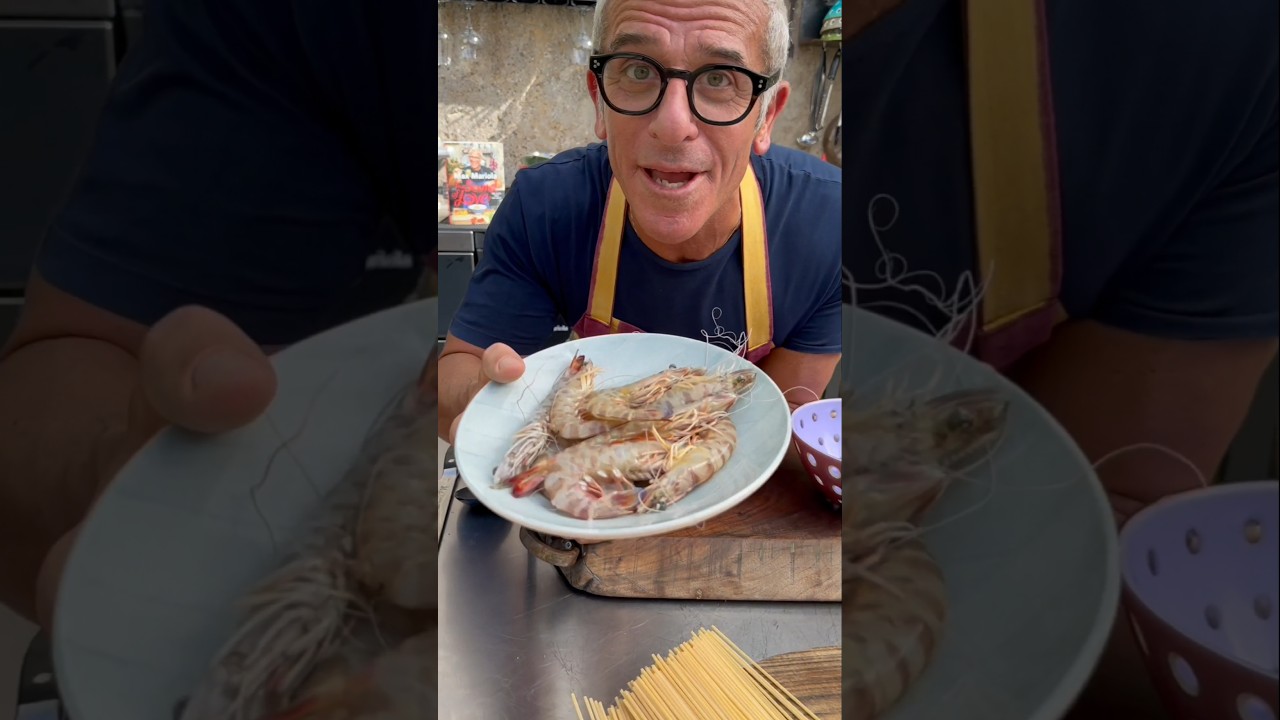
How to Make Creamy Shrimp Spaghetti – Step‑by‑Step Guide for Home Cooks
Learn to create a restaurant‑quality shrimp pasta in under an hour. This guide walks you through cleaning fresh mazzancolle, building a fragrant shrimp stock, and finishing a silky cream sauce that coats every strand of spaghetti.
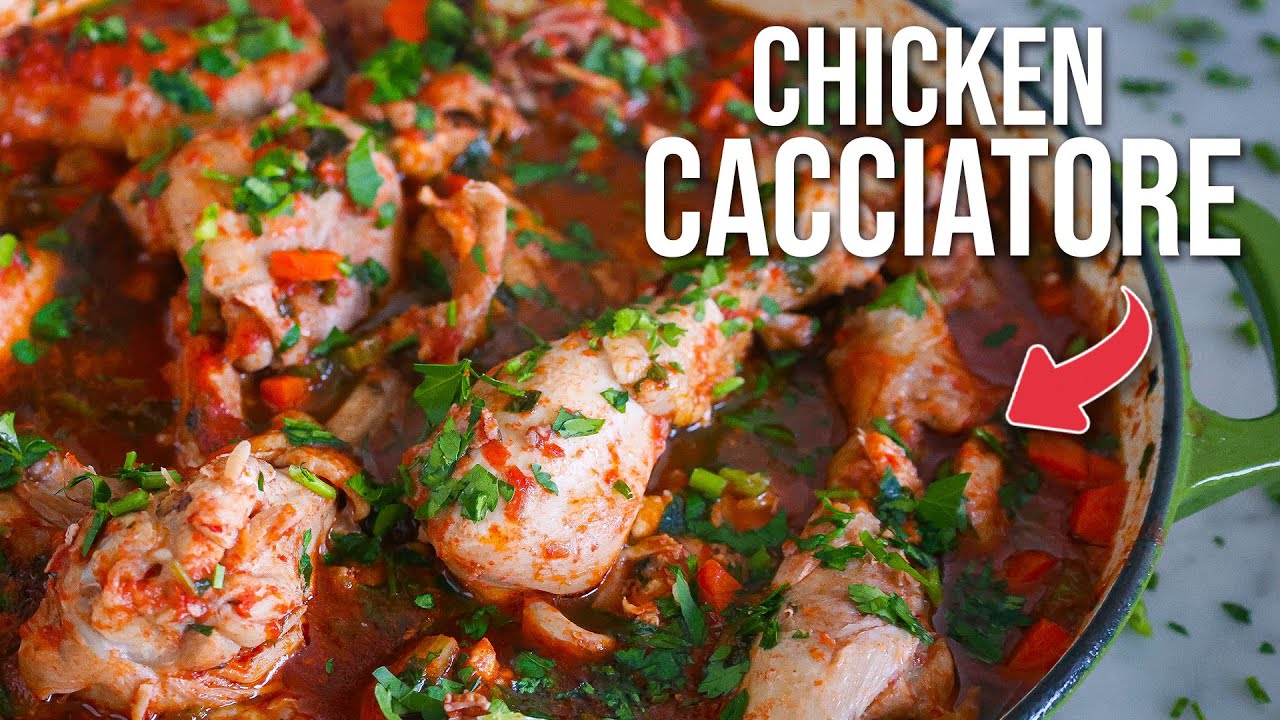
How to Make Moist Chicken Cacciatore – Step‑by‑Step Italian Recipe
Learn how to create a tender, flavor‑packed Chicken Cacciatore the authentic Tuscan way. This step‑by‑step guide walks you through browning, simmering, and finishing the dish in under an hour.
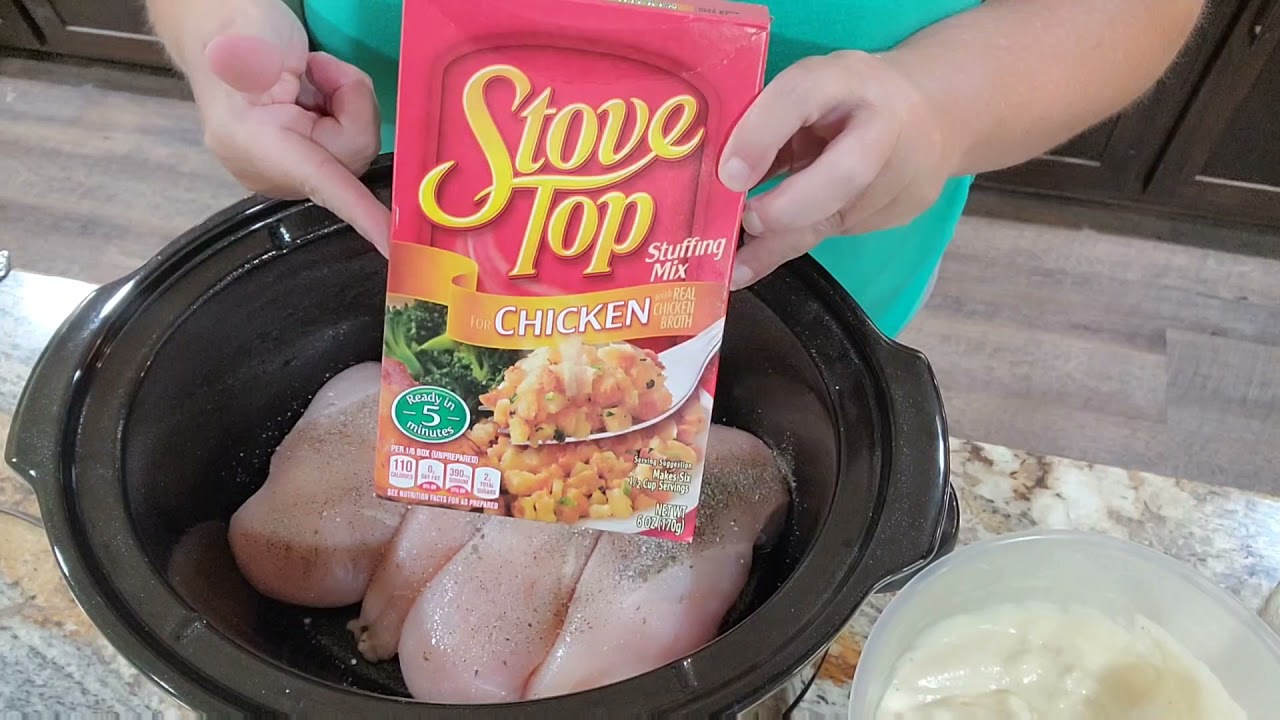
How to Make Summertime Thanksgiving in a Crock Pot Bowl - Easy One-Pot Meal
Learn to create a delicious Thanksgiving‑in‑the‑summer one‑pot dish using a crock pot, chicken, stuffing, and fresh summer sides. Perfect for busy days, this recipe cooks while you work and serves a comforting, festive meal in under five hours.