
How to Make Soft & Juicy Seekh Kabab – Restaurant Style for Beginners
Learn step‑by‑step how to create restaurant‑style soft and juicy Seekh Kabab at home. This guide covers ingredients, tools, shaping, cooking techniques, and storage tips for a flavorful street‑style kebab.
Learn how to make soft & juicy seekh kabab – restaurant style for beginners. Learn step‑by‑step how to create restaurant‑style soft and juicy Seekh Kabab at home. This guide covers ingredients, tools, shaping, cooking techniques, and storage tips for a flavorful street‑style kebab. This comprehensive guide will walk you through everything you need to know, from the materials and tools required to detailed step-by-step instructions. Whether you're a intermediate, this guide has you covered.
What You'll Need
Materials
- Beef or Lamb Mince(500 g)
Main protein, choose 20‑30% fat for juiciness
Where to find: Butcher or supermarket meat counter
Cost: $7.50
- Medium Onions(2 pcs)
Finely chopped, excess water squeezed out
Where to find: Local grocery store
Cost: $0.80
- Fresh Mint Leaves(½ cup)
Adds cool freshness
Where to find: Produce aisle or farmer’s market
Cost: $1.20
- Fresh Coriander Leaves(½ cup)
Provides herbaceous aroma
Where to find: Produce aisle
Cost: $1.00
- Green Chilies(2‑3 pcs)
Adjust heat to taste
Where to find: Produce aisle
Cost: $0.30
- Garam Masala Powder(½ tsp)
Warm spice blend
Where to find: Spice aisle
Cost: $0.10
- Turmeric Powder(½ tsp)
Adds color and earthiness
Where to find: Spice aisle
Cost: $0.05
- Coriander Powder(1 tsp)
Enhances citrus notes
Where to find: Spice aisle
Cost: $0.07
- Red Chili Powder(1 tsp)
Provides heat
Where to find: Spice aisle
Cost: $0.08
- Besan (Gram Flour)(2 tbsp)
Acts as binder for softness
Where to find: Indian foods section
Cost: $0.12
- Ghee or Butter(2 tbsp)
Adds richness; skip if meat is fatty
Where to find: Dairy aisle
Cost: $0.30
- Lemon‑Ginger‑Garlic Paste(2 tbsp)
Flavor base, adds acidity
Where to find: Prepared paste aisle or homemade
Cost: $0.40
- Baking Soda(½ tsp)
Creates airy texture
Where to find: Baking aisle
Cost: $0.02
- Suhaaga (Dry Ginger) Powder(¼ tsp)
Subtle sweet warmth
Where to find: Indian spice shop
Cost: $0.05
- Salt(to taste)
Seasoning
Where to find: Pantry
Cost: $0.01
Tools
- Food Processor or Chopper
For fine chopping of onions, herbs, and spices
Alternatives: Hand knife
- Mixing Bowl (large)
Combines meat and spices evenly
Alternatives: Large pot
- Skewers (metal or bamboo)
Shape kebabs for grilling
Alternatives: Cling film rolled into sticks
- Grill or Open Flame (tawa)
Gives smoky BBQ finish
Alternatives: Stovetop grill pan
- Non‑stick Frying Pan
Finishes kebabs with a golden crust
Alternatives: Cast‑iron skillet
- Brush (silicone)
Applies oil evenly
Alternatives: Paper towel
- Refrigerator
For marination hour
Alternatives: Cooler with ice packs
Step-by-Step Instructions
Chop Onions and Fresh Herbs
Finely chop onions, mint, coriander, and chilies, then squeeze excess water from onions.
Begin by placing the two medium onions into a food processor or a sturdy chopper. Pulse until they reach a fine, almost paste‑like consistency. If the onions release a lot of moisture, transfer the chopped onions onto a clean muslin cloth and gently press to extract the water; this prevents the kebab mixture from becoming soggy. Next, add half a cup each of fresh mint and coriander leaves along with the green chilies. Pulse again briefly to integrate the herbs without over‑processing, preserving their bright color and aroma. The resulting herb‑onion blend forms the aromatic foundation of the kebab, ensuring each bite bursts with freshness while the reduced moisture helps the meat bind properly during later steps.
10 minutes
Tips:
- Use a dry cloth to squeeze onion water; excess moisture can make kebabs fall apart.
Warnings:
- Avoid over‑processing herbs; they can turn mushy and lose flavor.
Combine Minced Meat with Spices
Add minced meat to the bowl and mix in all dry spices thoroughly.
Transfer the 500 g of beef or lamb mince into a large mixing bowl. Sprinkle in the red chili powder, turmeric, garam masala, coriander powder, cumin powder, and a pinch of salt. The combination of these spices creates a layered flavor profile: heat from the chilies, earthiness from turmeric, warmth from garam masala, and citrus notes from coriander. Using your hands, gently fold the spices into the meat, ensuring even distribution without over‑working, which could toughen the protein. This gentle mixing allows the meat fibers to stay intact, preserving the desired juiciness. Once the spices are uniformly incorporated, the mixture should have a uniform reddish hue, indicating that the flavor base is ready for the next binding stage.
8 minutes
Tips:
- Wear kitchen gloves to keep hands clean and avoid spice irritation.
Warnings:
- Do not over‑mix; the kebabs may become dense.
Add Binding Agents and Paste
Stir in besan, ghee, and lemon‑ginger‑garlic paste until smooth.
Now introduce the two tablespoons of besan (gram flour) and two tablespoons of melted ghee or butter into the spiced meat. Besan acts as a natural binder, absorbing moisture and creating a tender crumb structure, while ghee contributes richness and helps lock in juices during cooking. Follow this by adding the lemon‑ginger‑garlic paste, which injects acidity, depth, and aromatic complexity. Using clean hands, massage the mixture until it becomes a cohesive, slightly sticky paste. The texture should be pliable enough to hold together when formed into a kebab but not overly wet. This step is crucial because the combination of besan and ghee ensures the final kebab remains soft, while the paste prevents any blandness, balancing the robust spice blend.
7 minutes
Tips:
- If the mixture feels too dry, add a splash of water (1‑2 tbsp) gradually.
Warnings:
- Avoid adding too much liquid; the kebabs may fall apart on the grill.
Incorporate Leavening and Suhaaga, Then Marinate
Mix baking soda and suhaaga powder, then refrigerate for one hour.
Sprinkle half a teaspoon of baking soda over the meat mixture; this alkaline agent creates tiny air pockets during cooking, resulting in a lighter, more tender kebab interior. Add a quarter teaspoon of suhaaga (dry ginger) powder, which imparts a subtle sweet warmth that complements the savory spices. Using a spatula, fold these ingredients evenly throughout the mixture, ensuring no pockets of powder remain. Once fully blended, cover the bowl tightly with cling film and place it in the refrigerator for at least one hour. This resting period allows the flavors to meld, the besan to hydrate, and the baking soda to begin its tenderizing action. The chilled mixture becomes easier to shape and yields a kebab that stays juicy even after high‑heat grilling.
5 minutes prep + 60 minutes marination
Tips:
- If you’re short on time, a minimum of 30 minutes still improves texture.
Warnings:
- Do not exceed 2 hours marination; the baking soda can make the kebab overly soft and mushy.
Shape Kebabs on Skewers
Thread the mixture onto skewers, forming uniform cylinders.
Remove the marinated meat from the fridge and give it a quick stir to loosen any edges that may have stuck to the bowl. Divide the mixture into equal portions—about the size of a golf ball—for consistent cooking. Wet your hands lightly with water or oil to prevent sticking, then roll each portion around a metal or bamboo skewer, pressing gently to achieve a uniform thickness of roughly 1 inch. If you lack skewers, wrap the meat tightly in cling film, shape into a log, and then slice into 1‑inch thick rounds before cooking. Proper shaping ensures even heat penetration, preventing raw centers while achieving a crisp exterior. Seal the ends of each kebab firmly to avoid the meat falling off during grilling.
12 minutes
Tips:
- Rotate the kebabs while shaping to keep the meat evenly distributed on the skewer.
Warnings:
- Bamboo skewers should be soaked in water for 30 minutes to avoid burning.
Pre‑Cook Over Open Flame for BBQ Look
Grill kebabs quickly on high heat to develop smoky char.
Place a grill, tawa, or open flame on medium‑high heat. Lightly oil the surface using a brush to prevent sticking. Arrange the skewered kebabs perpendicular to the heat source, allowing each side to contact the flame for 1‑2 minutes. This rapid searing creates the signature smoky, charred exterior reminiscent of street‑side BBQ stalls, while also sealing in juices. Turn the kebabs gently using tongs, ensuring an even brown crust forms on all sides. This step is optional but highly recommended for authentic flavor; if you prefer a milder taste, you can skip this and move directly to pan‑frying. The brief high‑heat exposure adds depth without fully cooking the interior, which will finish in the next step.
6 minutes
Tips:
- Keep the flame moderate; too high can burn the exterior before the interior cooks.
Warnings:
- Do not leave kebabs unattended; flare‑ups can char them excessively.
Finish Cooking in Pan with Covered Heat
Pan‑fry kebabs on medium heat, cover, and turn until golden.
Heat a non‑stick frying pan over medium heat and add two to three tablespoons of oil, spreading it evenly with a silicone brush. Place the pre‑seared kebabs into the pan, spacing them so they don’t crowd. Cover the pan with a lid; this traps steam, allowing the interior to cook through while the exterior continues to brown. After 3‑4 minutes, uncover, brush the tops with a little more oil, and flip each kebab to expose the other side. Continue cooking, turning every 2‑3 minutes, until the kebabs achieve a deep golden‑brown hue and an internal temperature of 71 °C (160 °F) for beef or 74 °C (165 °F) for lamb. The covered method ensures the meat stays moist, while the final uncovered turns give a crisp, appetizing crust.
12 minutes
Tips:
- Use a meat thermometer to verify doneness without cutting the kebab.
Warnings:
- Avoid high heat; it can dry out the kebab and cause burning.
Serve and Store
Plate kebabs with accompaniments; store leftovers properly.
Transfer the cooked kebabs to a serving platter and garnish with fresh lemon wedges, sliced onions, and a sprinkle of chaat masala for an extra tangy kick. Serve alongside green chutney, yogurt raita, or naan for a complete meal. If you have leftovers, let the kebabs cool to room temperature, then wrap them tightly in foil or an airtight container and refrigerate for up to three days. For longer storage, freeze the uncooked, marinated kebabs on a tray, then transfer to a freezer bag; they can be cooked directly from frozen, adding an extra 5‑7 minutes to the pan‑fry step. Proper storage maintains the kebabs’ juiciness and flavor, allowing you to enjoy restaurant‑style bites anytime.
5 minutes
Tips:
- A drizzle of melted butter just before serving adds an extra glossy finish.
Warnings:
- Do not leave cooked kebabs at room temperature for more than two hours to prevent bacterial growth.
Conclusion
You've now learned how to make soft & juicy seekh kabab – restaurant style for beginners! By following these 8 detailed steps, you should be able to successfully complete this task. Remember to use meat with 20‑30% fat for maximum juiciness; lean meat can become dry.. If you encounter any issues, refer back to the troubleshooting section above.
Common Mistakes to Avoid
❌ Over‑mixing the meat causes a tough texture
✅ Mix gently until ingredients are just combined; stop as soon as the mixture looks uniform.
❌ Using too much liquid from onions or paste makes the kebab fall apart
✅ Drain chopped onions thoroughly and add paste gradually, checking consistency.
❌ Skipping the baking soda leads to dense, dry kebabs
✅ Include the half‑teaspoon of baking soda; it creates tiny air pockets that keep the kebab soft.
Troubleshooting
Problem: Kebabs break apart on the skewer during grilling
Solution: Ensure the mixture is well‑chilled, use a wet hand to shape, and press firmly to seal the ends.
Problem: Kebabs are dry and lack juiciness
Solution: Use meat with adequate fat, add ghee or butter, and avoid over‑cooking; cover the pan to retain steam.
Problem: Exterior is burnt while interior remains raw
Solution: Cook on medium heat, sear quickly on high heat first, then finish covered on lower heat to cook through evenly.
Frequently Asked Questions
Can I use chicken mince instead of beef or lamb?
Yes, but add a tablespoon of yogurt or extra ghee to compensate for chicken’s lower fat content, ensuring the kebabs stay moist.
Do I need to soak bamboo skewers?
Absolutely; soak them in water for at least 30 minutes to prevent burning and to keep the kebabs from sticking.
What is suhaaga powder and can I replace it?
Suhaaga is dried ginger powder; you can substitute with an equal amount of ground fresh ginger or omit if unavailable, though flavor will be slightly different.
How long can I freeze the raw kebabs?
Raw, marinated kebabs freeze well for up to two months; label the bag with the date and thaw in the refrigerator before cooking.
Is it necessary to grill before pan‑frying?
Grilling adds authentic smoky flavor, but if you lack a grill, you can skip this step and directly pan‑fry; just increase the sear time slightly for color.
Quick Info
- Difficulty
- Intermediate
- Time Required
- 1 hour 30 minutes
- Estimated Cost
- $12.00 USD
- Category
- Food & Cooking
Safety First
- •Handle raw meat with clean utensils and wash hands thoroughly after contact.
- •Use oven mitts when handling hot skewers or pans to avoid burns.
- •Ensure the grill or pan is well‑ventilated to prevent smoke buildup.
Pro Tips
- •Use meat with 20‑30% fat for maximum juiciness; lean meat can become dry.
- •Squeeze excess water from onions to avoid a soggy mixture.
- •Rest the spiced meat for at least 30 minutes; it improves binding and flavor.
- •If you don’t have a grill, a hot cast‑iron skillet can mimic the BBQ char.
- •Brush kebabs with oil every few minutes to achieve an even golden crust.
Before You Start
- Basic knife skills for chopping herbs
- Access to a refrigerator for marination
- Understanding of medium‑heat stovetop cooking
What's Next?
- →Learn how to make classic mint‑coriander chutney to serve with kebabs
- →Explore stuffing kebabs with cheese for a fusion twist
- →Master the art of tandoor‑style cooking for even deeper smoky flavor
Related How-To Guides

How to Make Pokemon-Themed Desserts for Kids - Step by Step Fun Guide
Learn how to create adorable Pokemon-inspired desserts that kids will love. This step‑by‑step guide covers everything from planning the theme to decorating with fondant and candy, perfect for birthday parties or a fun family activity.

How to Make Perfect No-Knead French Baguettes – Crispy, Light, Step‑by‑Step for Beginners
Learn to bake authentic French baguettes at home without kneading. This step‑by‑step guide covers mixing, folding, shaping, and steaming for a crispy crust and airy crumb.

How to Make Kid-Friendly One-Pot Meals - 10 Easy Recipes for Busy Parents
Learn to whip up ten quick, nutritious one‑pot meals that kids love. From squid stir‑fry to shrimp oat risotto, each recipe uses simple ingredients, minimal cleanup, and kid‑approved flavors.

How to Make Rich Dried Pollack Soup – Step by Step Guide for Beginners
Learn to create a deep‑flavored, milky dried pollack (북어) soup that tastes like it was simmered in a traditional Korean cauldron. This guide walks you through every step, from prepping the fish to perfecting the broth.
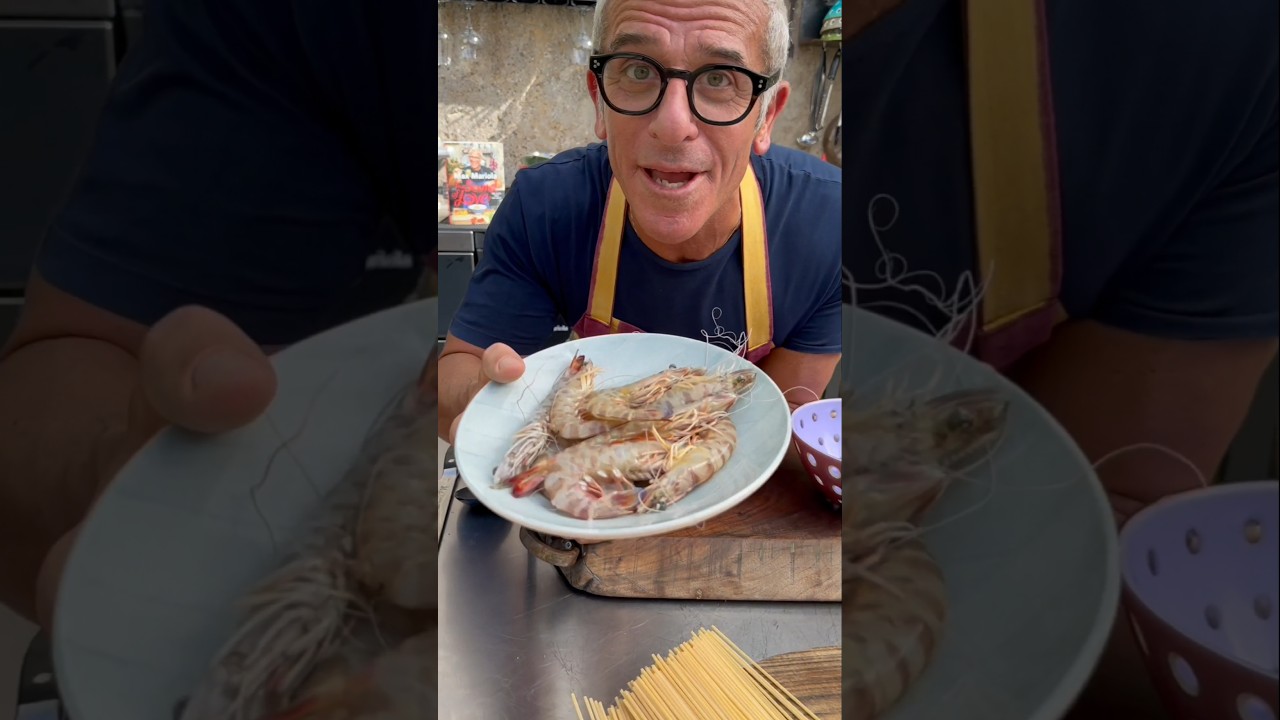
How to Make Creamy Shrimp Spaghetti – Step‑by‑Step Guide for Home Cooks
Learn to create a restaurant‑quality shrimp pasta in under an hour. This guide walks you through cleaning fresh mazzancolle, building a fragrant shrimp stock, and finishing a silky cream sauce that coats every strand of spaghetti.
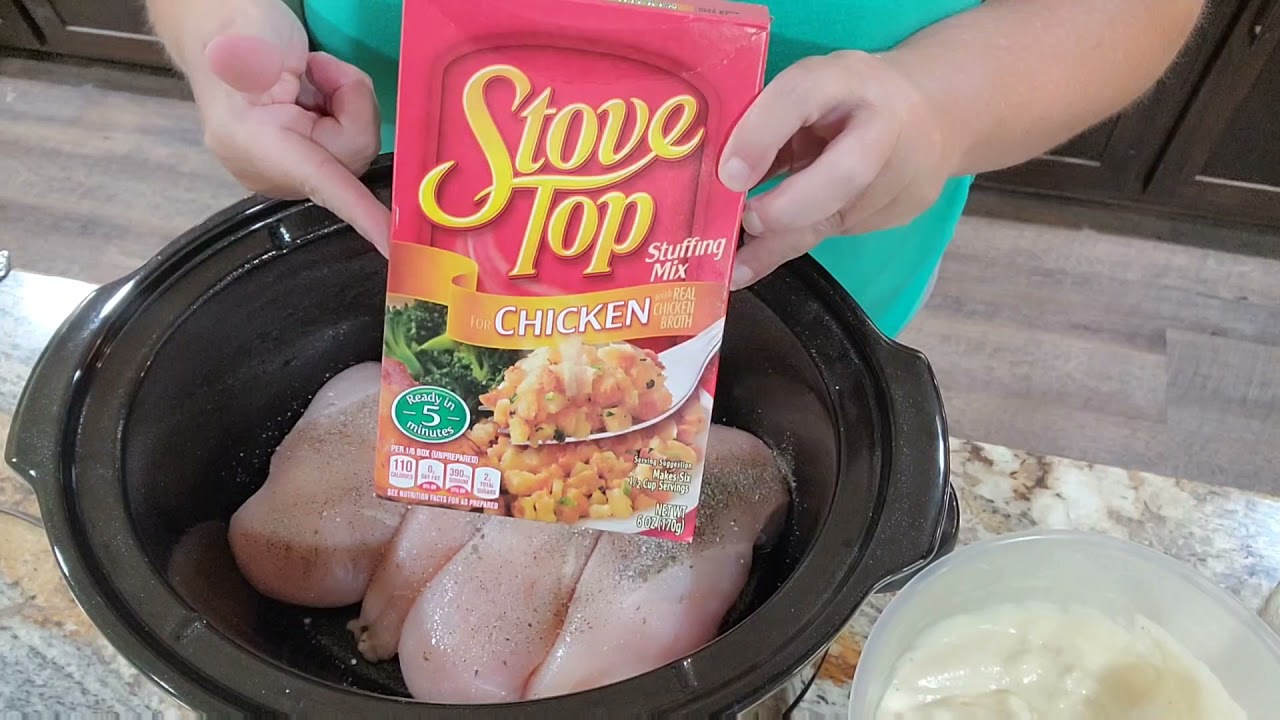
How to Make Summertime Thanksgiving in a Crock Pot Bowl - Easy One-Pot Meal
Learn to create a delicious Thanksgiving‑in‑the‑summer one‑pot dish using a crock pot, chicken, stuffing, and fresh summer sides. Perfect for busy days, this recipe cooks while you work and serves a comforting, festive meal in under five hours.