
How to Make Moist Chicken Cacciatore – Step‑by‑Step Italian Recipe
Learn how to create a tender, flavor‑packed Chicken Cacciatore the authentic Tuscan way. This step‑by‑step guide walks you through browning, simmering, and finishing the dish in under an hour.
Learn how to make moist chicken cacciatore – step‑by‑step italian recipe. Learn how to create a tender, flavor‑packed Chicken Cacciatore the authentic Tuscan way. This step‑by‑step guide walks you through browning, simmering, and finishing the dish in under an hour. This comprehensive guide will walk you through everything you need to know, from the materials and tools required to detailed step-by-step instructions. Whether you're a intermediate, this guide has you covered.
What You'll Need
Materials
- Chicken drumsticks(4 pieces)
Provides bone‑in flavor and moisture
Where to find: Local butcher or grocery store
Cost: $5.00
- Chicken thighs(5 pieces)
Adds richness; keep skin on
Where to find: Grocery store
Cost: $4.50
- Chicken wings(5 pieces)
Extra flavor; optional if you prefer less meat
Where to find: Grocery store
Cost: $2.00
- Passata (tomato purée)(1 bottle (500 ml))
Base of the sauce; choose no‑added‑salt for control
Where to find: Italian aisle or specialty store
Cost: $3.00
- Extra‑virgin olive oil(4 Tbsp)
For browning and flavor infusion
Where to find: Any supermarket
Cost: $0.80
- Fresh rosemary(1 sprig)
Adds piney aroma; remove before serving
Where to find: Produce section
Cost: $0.50
- Red wine (dry)(1 cup)
Deglazes and deepens sauce color; alcohol evaporates
Where to find: Liquor store or supermarket
Cost: $2.00
- Garlic cloves(2, skin on)
Smash to release flavor without burning
Where to find: Produce aisle
Cost: $0.20
- Mixed vegetables (celery, onion, carrots, parsley)(1 cup each, chopped)
Creates aromatic base; parsley added at end for freshness
Where to find: Produce aisle
Cost: $3.00
- Salt and black pepper(to taste)
Season at multiple stages
Where to find: Pantry
Cost: $0.05
Tools
- Casserole dish or Dutch oven (3‑qt)
Allows even heat distribution and lid for braising
Alternatives: large heavy‑bottomed skillet with lid
- Stove (gas or electric)
Provides controlled medium‑low heat
Alternatives: induction cooktop
- Sharp chef’s knife
For chopping vegetables and trimming chicken
Alternatives: Santoku knife
- Cutting board
Protects countertops and keeps knives stable
Alternatives: plastic board
- Wooden spoon or silicone spatula
Stirring without scratching the cookware
Alternatives: heat‑resistant silicone spoon
Step-by-Step Instructions
Heat oil and brown the chicken
Add olive oil to the casserole and brown all chicken pieces on medium‑low heat.
Start by heating four tablespoons of extra‑virgin olive oil in a 3‑quart casserole over medium‑low heat. The oil should shimmer but not smoke. Place the drumsticks, thighs, and wings in a single layer, ensuring they are not crowded; this promotes even browning. Let each side sear for about 3‑4 minutes until a deep golden crust forms. Browning creates the Maillard reaction, which develops complex, savory flavors that will later infuse the sauce. Avoid moving the chicken too frequently; let it sit so the surface caramelizes. Once browned, the chicken will release some fat and juices, forming a flavorful base for the aromatics that follow.
10 minutes
Tips:
- Pat chicken dry before seasoning to improve browning.
- Use a splatter guard if oil pops.
Warnings:
- Do not let the oil overheat; it can become bitter.
Add garlic and aromatics
Toss in smashed garlic cloves and let them infuse the oil.
While the chicken continues to brown, add the two garlic cloves with skins intact, gently smashing them with the back of a knife. The skin protects the garlic from burning while still releasing its essential oils into the hot oil. As the garlic sizzles, it imparts a subtle, sweet garlic aroma that will permeate the entire dish. Stir occasionally to ensure the garlic contacts the oil evenly. This step is crucial because burnt garlic can introduce a harsh, acrid taste that overwhelms the delicate balance of the sauce. After about two minutes, the garlic should turn a light golden hue, signaling it’s ready for the next stage.
2 minutes
Tips:
- Leave the skins on for a milder flavor.
- If you prefer a stronger garlic punch, remove skins before adding.
Warnings:
- Watch closely; garlic can go from golden to burnt in seconds.
Introduce chopped vegetables
Add celery, onion, carrots, and parsley to the pot and sauté briefly.
Now add the chopped celery (including the leaf for extra parsley flavor), onion, carrots, and half of the chopped parsley to the casserole. Stir the mixture so the vegetables coat with the seasoned oil and chicken juices. Cook for about 3‑4 minutes, allowing the vegetables to soften slightly and release their natural sweetness. This step builds the soffritto, a classic Italian flavor foundation. The celery adds an earthy crunch, the onion contributes sweetness, and carrots bring a subtle caramel note. The parsley leaf, left on the celery, adds a fresh herbaceous nuance that will deepen as the dish simmers. Keep the heat at medium‑low to avoid scorching the vegetables.
4 minutes
Tips:
- Cut vegetables uniformly for even cooking.
- If you like a sweeter base, add a pinch of sugar.
Warnings:
- Do not let the vegetables brown; they should stay pale.
Deglaze with rosemary and red wine
Add rosemary sprig and pour in red wine, stirring to lift browned bits.
Place the fresh rosemary sprig into the pot, then pour in one cup of dry red wine. The wine acts as a deglazing agent, loosening the caramelized bits (fond) stuck to the bottom of the casserole. These browned fragments are flavor gold, containing concentrated umami and smoky notes. As the wine bubbles, it will reduce quickly, concentrating its acidity and fruitiness. The rosemary infuses a piney, resinous aroma that complements the tomato base later. Stir continuously to ensure the wine coats all ingredients and that the fond dissolves fully. Allow the mixture to simmer for about 5 minutes, or until the liquid has reduced by roughly half, indicating the alcohol has evaporated and the flavors have intensified.
5 minutes
Tips:
- Use a wine you would drink; avoid cooking wines with excessive salt.
- If you prefer no alcohol, substitute with chicken stock.
Warnings:
- Do not add wine to a hot pan without removing from heat; it may splatter.
Add tomato passata and simmer
Stir in the passata, season, and let the mixture simmer gently.
Once the wine has reduced, pour the 500 ml bottle of passata into the casserole, stirring to combine with the wine‑vegetable‑chicken mixture. The passata provides a smooth, bright tomato foundation that will thicken as it cooks. Season generously with salt and freshly cracked black pepper, tasting as you go to achieve a balanced flavor profile. Bring the sauce to a gentle simmer, then reduce the heat to low, covering the pot with its lid. This low, slow cooking method allows the chicken to absorb the tomato‑wine flavors while staying moist. Simmer for 20 minutes, checking occasionally to stir and ensure nothing sticks to the bottom.
20 minutes
Tips:
- If the sauce looks too thin, uncover for the last 5 minutes to reduce further.
- Add a pinch of sugar if the tomatoes are too acidic.
Warnings:
- Do not boil vigorously; high heat can toughen the chicken.
Remove rosemary and adjust seasoning
Take out the rosemary sprig, taste, and add more salt or pepper if needed.
After the 20‑minute simmer, use tongs to remove the rosemary sprig; its job of flavor infusion is complete, and leaving it in could impart a bitter, woody aftertaste. Give the sauce a quick taste. At this stage, the flavors have melded, but you may need to adjust the seasoning. Add a little more salt if the sauce tastes flat, or a dash more pepper for brightness. This final seasoning step ensures that each bite delivers a harmonious blend of savory, acidic, and herbaceous notes. Remember that the sauce will continue to thicken slightly as it rests, concentrating the seasoning further.
2 minutes
Tips:
- Use a small spoon to add salt gradually; you can always add more but not remove.
- Freshly ground pepper adds a more vibrant heat than pre‑ground.
Warnings:
- Avoid over‑salting; the chicken may already be seasoned from the browning stage.
Finish with fresh parsley and optional garnish
Stir in the remaining chopped parsley and let the sauce thicken uncovered.
Turn off the heat and sprinkle the remaining chopped parsley over the casserole. The fresh parsley adds a bright, slightly peppery finish that lifts the richness of the sauce. Give everything a gentle stir to distribute the herb evenly. Remove the lid and let the dish sit for another 5 minutes; this allows the sauce to thicken further without additional cooking, preserving the fresh herb flavor. If desired, drizzle a tiny drizzle of extra‑virgin olive oil for added gloss and richness. This final touch not only enhances visual appeal but also adds a silky mouthfeel.
5 minutes
Tips:
- For a pop of color, add a few basil leaves just before serving.
- Serve with crusty Italian bread to soak up the sauce.
Plate and serve
Arrange chicken on a serving platter, spoon sauce over, and garnish with parsley.
Transfer the chicken pieces to a warm serving platter, arranging them attractively. Spoon generous amounts of the thickened sauce over each piece, ensuring the vegetables are evenly distributed. Finish with a final sprinkle of fresh parsley for color contrast. Serve immediately with a side of rustic bread, polenta, or al dente pasta to capture every drop of the luscious sauce. The result should be chicken that falls off the bone, coated in a glossy, aromatic tomato‑wine reduction that embodies the heart of Tuscan comfort cooking. Enjoy the dish with a glass of the same dry red wine used in cooking for a cohesive dining experience.
5 minutes
Tips:
- Let the dish rest for a couple of minutes before cutting to retain juices.
- Pair with a Chianti Classico for authenticity.
Conclusion
You've now learned how to make moist chicken cacciatore – step‑by‑step italian recipe! By following these 8 detailed steps, you should be able to successfully complete this task. Remember to pat the chicken dry before browning to achieve a better crust.. If you encounter any issues, refer back to the troubleshooting section above.
Common Mistakes to Avoid
❌ Cooking on high heat, which dries out the chicken.
✅ Maintain medium‑low heat and cover the pot; this gentle simmer keeps the meat moist.
❌ Burning the garlic, resulting in a bitter flavor.
✅ Add garlic with skin on and watch closely; remove it as soon as it turns light golden.
❌ Skipping the deglazing step, leaving fond stuck to the pan.
✅ Always pour wine (or stock) after browning to dissolve the caramelized bits and enrich the sauce.
Troubleshooting
Problem: Sauce is watery after simmering.
Solution: Uncover the pot and simmer for an additional 5‑10 minutes to reduce excess liquid.
Problem: Chicken is tough or rubbery.
Solution: Ensure the chicken is not overcooked; keep the simmer gentle and check for doneness at 20 minutes.
Problem: Dish lacks depth of flavor.
Solution: Season at multiple stages—during browning, after adding wine, and before final serving. Adjust salt and pepper as needed.
Frequently Asked Questions
Can I use boneless chicken for this recipe?
Yes, but boneless pieces will release less flavor and may dry out faster. Reduce cooking time by 5‑7 minutes and monitor closely.
What type of red wine works best?
A dry Italian red such as Chianti, Montepulciano, or a simple dry table wine provides acidity and fruit without overwhelming the sauce.
Can I make this dish ahead of time?
Absolutely. Store the cooled casserole in an airtight container in the refrigerator for up to 2 days. Reheat gently on low heat, adding a splash of broth if needed.
Is it necessary to use fresh rosemary?
Fresh rosemary gives a brighter, more aromatic profile, but dried rosemary (½ tsp) can be used if fresh isn’t available.
What side dishes pair well with chicken cacciatore?
Serve with crusty Italian bread, polenta, or a simple pasta aglio‑olio to soak up the sauce. A light green salad balances the richness.
Quick Info
- Difficulty
- Intermediate
- Time Required
- 45 minutes
- Estimated Cost
- $21.05 USD
- Category
- Food & Cooking
Safety First
- •Handle hot oil with care; use long-handled utensils to avoid burns.
- •Keep a lid nearby to cover the pot quickly if splattering occurs.
- •Use a meat thermometer to ensure chicken reaches 165 °F (74 °C) for safe consumption.
Pro Tips
- •Pat the chicken dry before browning to achieve a better crust.
- •Use a heavy‑bottomed casserole to prevent hot spots and burning.
- •Keep the heat at medium‑low throughout; low and slow preserves moisture.
- •If the sauce becomes too thick, add a splash of chicken stock or water.
- •Allow the dish to rest briefly after cooking for juices to redistribute.
Before You Start
- Basic knife skills for chopping vegetables
- Understanding of low‑heat simmering techniques
What's Next?
- →Learn to prepare a traditional Italian risotto to serve alongside
- →Explore variations with mushrooms, olives, or zucchini
Related How-To Guides

How to Make Pokemon-Themed Desserts for Kids - Step by Step Fun Guide
Learn how to create adorable Pokemon-inspired desserts that kids will love. This step‑by‑step guide covers everything from planning the theme to decorating with fondant and candy, perfect for birthday parties or a fun family activity.

How to Make Perfect No-Knead French Baguettes – Crispy, Light, Step‑by‑Step for Beginners
Learn to bake authentic French baguettes at home without kneading. This step‑by‑step guide covers mixing, folding, shaping, and steaming for a crispy crust and airy crumb.

How to Make Kid-Friendly One-Pot Meals - 10 Easy Recipes for Busy Parents
Learn to whip up ten quick, nutritious one‑pot meals that kids love. From squid stir‑fry to shrimp oat risotto, each recipe uses simple ingredients, minimal cleanup, and kid‑approved flavors.

How to Make Rich Dried Pollack Soup – Step by Step Guide for Beginners
Learn to create a deep‑flavored, milky dried pollack (북어) soup that tastes like it was simmered in a traditional Korean cauldron. This guide walks you through every step, from prepping the fish to perfecting the broth.
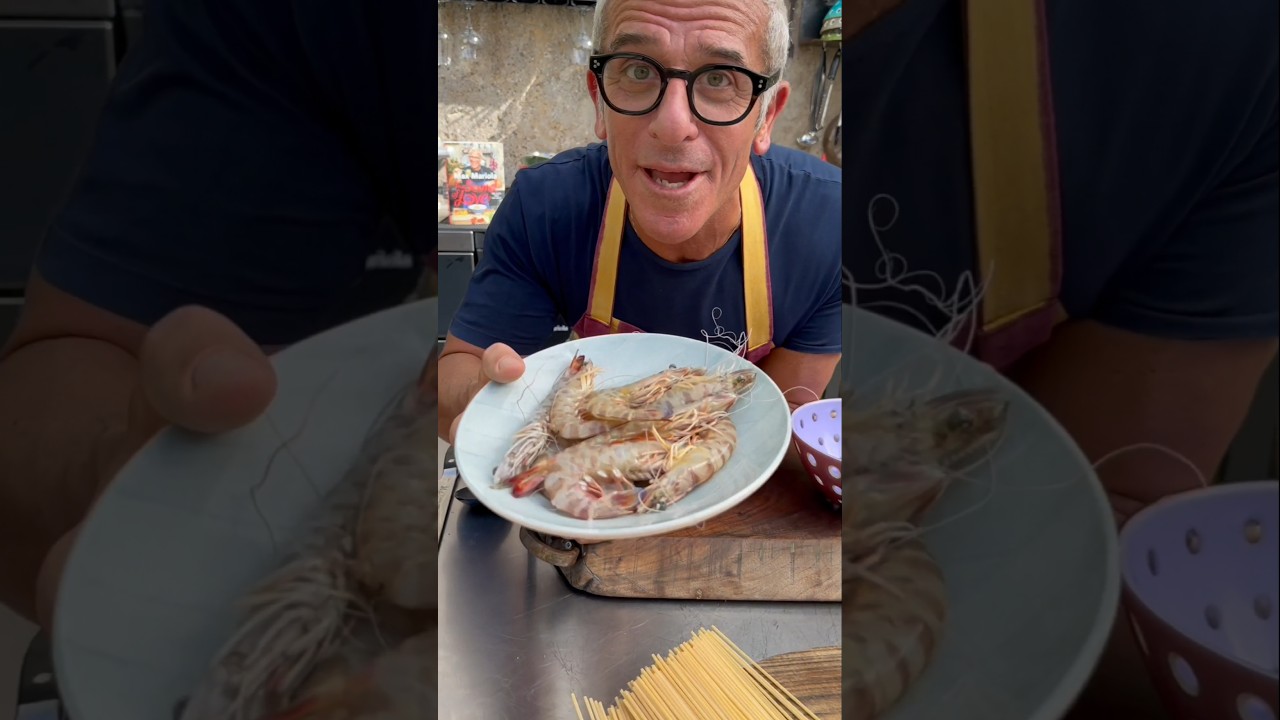
How to Make Creamy Shrimp Spaghetti – Step‑by‑Step Guide for Home Cooks
Learn to create a restaurant‑quality shrimp pasta in under an hour. This guide walks you through cleaning fresh mazzancolle, building a fragrant shrimp stock, and finishing a silky cream sauce that coats every strand of spaghetti.
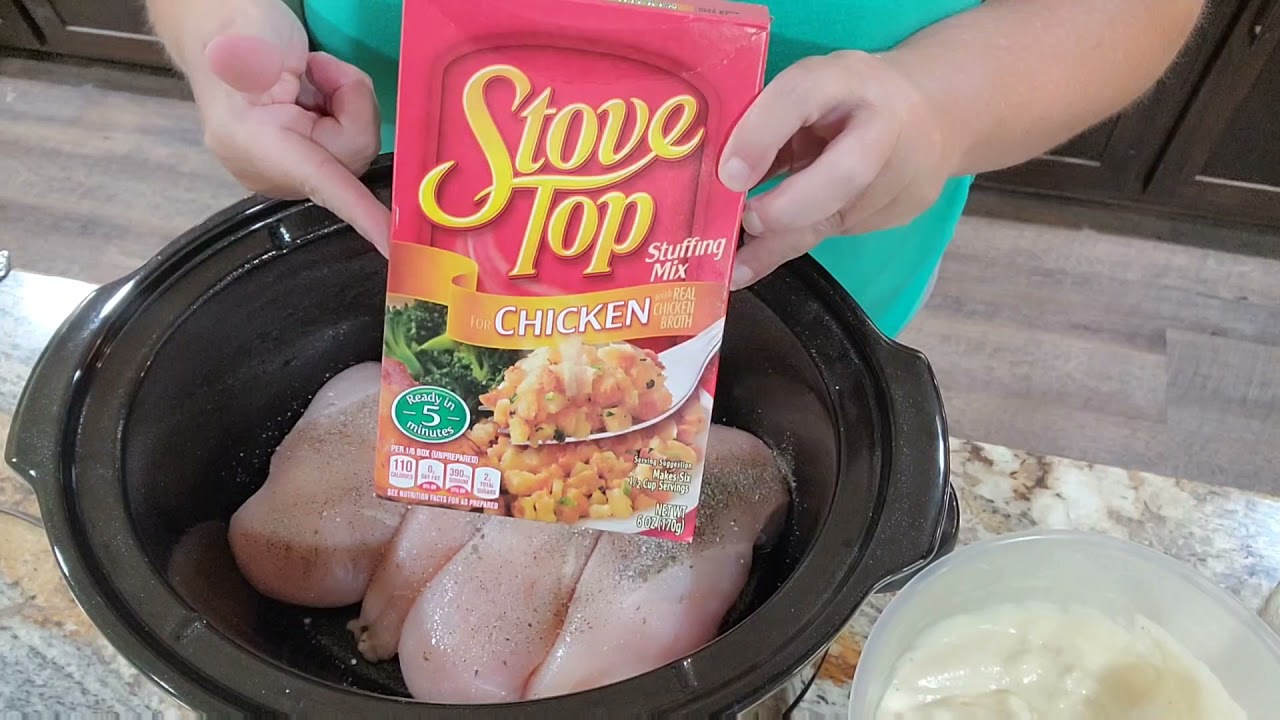
How to Make Summertime Thanksgiving in a Crock Pot Bowl - Easy One-Pot Meal
Learn to create a delicious Thanksgiving‑in‑the‑summer one‑pot dish using a crock pot, chicken, stuffing, and fresh summer sides. Perfect for busy days, this recipe cooks while you work and serves a comforting, festive meal in under five hours.