
How to Make Makhandi Suji Halwa - Step by Step Pakistani Sweet
Learn to prepare authentic Makhandi Suji Halwa, a fragrant Pakistani dessert, in just 30 minutes. This guide walks you through soaking, cooking, and garnishing for a perfect sweet treat every time.
Learn how to make makhandi suji halwa - step by step pakistani sweet. Learn to prepare authentic Makhandi Suji Halwa, a fragrant Pakistani dessert, in just 30 minutes. This guide walks you through soaking, cooking, and garnishing for a perfect sweet treat every time. This comprehensive guide will walk you through everything you need to know, from the materials and tools required to detailed step-by-step instructions. Whether you're a beginner, this guide has you covered.
What You'll Need
Materials
- Suji (semolina)(1 cup)
Base grain that gives halwa its texture
Where to find: Any grocery or Indian store
Cost: $1.00
- Full‑fat milk(1.5 cups)
Soaks suji and adds creaminess
Where to find: Dairy aisle
Cost: $1.20
- Ghee (clarified butter)(1 cup)
Primary cooking medium, adds rich flavor
Where to find: Indian grocery or specialty aisle
Cost: $3.00
- Granulated sugar(1.5 cups)
Provides sweetness; adjust to taste
Where to find: Pantry or store
Cost: $0.80
- Cardamom pods or powder(4‑5 pods (or ½ tsp powder))
Adds signature aromatic note
Where to find: Spice aisle
Cost: $0.50
- Raisins(2 tbsp)(Optional)
Garnish and burst of sweetness
Where to find: Dried fruit section
Cost: $0.30
- Mixed dry fruits (optional)(2 tbsp)(Optional)
Adds texture and visual appeal
Where to find: Nuts aisle
Cost: $0.70
Tools
- Large non‑stick pan or kadhai
Prevents sticking and ensures even heat distribution
Alternatives: heavy‑bottomed saucepan
- Mixing bowl
For soaking suji in milk
Alternatives: deep plate
- Wooden spoon or silicone spatula
Allows constant stirring without scratching cookware
Alternatives: metal spoon
- Measuring cups
Ensures accurate ingredient ratios
Alternatives: kitchen scale
- Stove
Provides controlled heat
- Ladle (optional)(Optional)
Helps serve hot halwa neatly
Alternatives: scoop
Step-by-Step Instructions
Soak the Suji in Milk
Combine suji and milk in a bowl and let rest for 30 minutes.
Start by measuring one cup of fine suji and placing it in a clean mixing bowl. Pour approximately one and a half cups of full‑fat milk over the suji, stirring gently to eliminate any dry pockets. The goal is to fully hydrate the semolina, allowing it to swell and soften. Cover the bowl with a clean kitchen towel or plastic wrap and let it sit for about half an hour. This resting period is crucial because it prevents the suji from clumping later when it meets the hot ghee, and it also ensures a smoother texture in the final halwa. If you’re short on time, a 15‑minute soak works, but the halwa may be slightly grainier.
10 minutes
Tips:
- Use room‑temperature milk for faster absorption
- Stir once after adding milk to avoid lumps
Melt Ghee and Dissolve Sugar
Heat ghee, add sugar, and stir until it softens.
Place a large non‑stick pan on medium heat and add one cup of ghee. Allow the ghee to melt completely; you’ll notice a gentle bubbling and a fragrant, nutty aroma. Once the ghee is fully liquid, gradually sprinkle the 1.5 cups of granulated sugar while continuously stirring with a wooden spoon. The sugar will initially appear grainy, then begin to melt, turning into a light caramel that is still pale in color. Keep the heat moderate to avoid scorching; burnt sugar will impart a bitter taste that ruins the halwa. Stir constantly until the mixture becomes a smooth, glossy syrup with a faint golden hue, indicating the sugar has fully dissolved but not yet browned. This stage creates a glossy base that will coat the suji later, ensuring even flavor distribution.
5 minutes
Tips:
- Add sugar slowly to prevent splattering
- If the mixture darkens too quickly, lower the heat immediately
Warnings:
- Do not let the sugar burn; it can become bitter
Incorporate the Soaked Suji
Add the milk‑soaked suji to the ghee‑sugar mixture and stir continuously.
After the sugar has dissolved, gently pour the soaked suji‑milk mixture into the pan. The liquid will sizzle as it meets the hot ghee‑sugar base. Begin stirring immediately with a spatula, ensuring the suji spreads evenly and does not form lumps. The mixture will appear watery at first; this is normal because the milk is still present. Continue to stir in a circular motion, scraping the sides and bottom of the pan to prevent the suji from sticking. This constant motion also helps the suji absorb the sweet, buttery liquid uniformly. As the cooking progresses, the mixture will thicken, and the milk will evaporate, leaving a cohesive, glossy mass. Patience is key—rushing this step can cause uneven cooking and a grainy texture.
8 minutes
Tips:
- Use a wide pan to allow faster evaporation
- Scrape the bottom to release any stuck bits
Warnings:
- Avoid high heat which can cause the suji to stick and burn
Cook Until Golden and Moisture Evaporates
Continue stirring until the halwa turns light brown and dry.
Maintain medium‑low heat and keep stirring vigorously. As the moisture evaporates, the halwa will start to change color, shifting from a pale cream to a light golden brown. This transformation signals that the suji has toasted slightly, developing a nutty aroma that is characteristic of authentic Makhandi Halwa. The texture should become thick enough that the spatula can be lifted without the mixture falling apart, yet still glossy. If you prefer a softer halwa, you can stop a minute earlier; for a firmer, drier version, cook a little longer, but watch closely to prevent scorching. The key is to listen for a faint crackling sound, indicating the remaining moisture is evaporating. Once the desired color and consistency are achieved, turn off the heat briefly before adding aromatics to lock in flavor.
7 minutes
Tips:
- Adjust heat if the mixture starts to stick
Warnings:
- Do not let the halwa turn dark brown; it will taste burnt
Add Cardamom, Raisins, and Dry Fruits
Stir in spices and nuts, then cook briefly.
With the pan off the flame, immediately add the crushed cardamom pods or ground cardamom. The residual heat will release the essential oils, infusing the halwa with a fragrant, sweet‑spicy note. Follow with two tablespoons of raisins and, if using, the mixed dry fruits. Toss everything together gently, ensuring the nuts and dried fruit are evenly distributed throughout the halwa. Return the pan to low heat for another minute, just enough to warm the additions and allow the raisins to plump slightly. This final brief cooking stage melds the flavors without over‑cooking the nuts, preserving their crunch. Taste and adjust sweetness if needed by adding a small spoonful of sugar dissolved in warm water, but usually the initial measurement suffices.
2 minutes
Tips:
- Crush cardamom pods for stronger flavor
- Add nuts at the end to keep them crunchy
Warnings:
- Avoid adding too many nuts; they can overwhelm the delicate texture
Serve Warm
Transfer the halwa to a serving dish and enjoy immediately.
Using a ladle or spatula, scoop the hot halwa onto a shallow serving plate or bowl. Smooth the top with the back of a spoon for an even appearance. Makhandi Halwa is traditionally served warm, paired with a steaming cup of chai, which accentuates its sweet, buttery notes. If you’re preparing it for guests, you can garnish with a few extra raisins or a sprinkle of finely chopped pistachios for visual appeal. The halwa will firm up slightly as it cools, so serve within 10‑15 minutes for the best texture. Leftovers can be stored in an airtight container in the refrigerator for up to two days; reheat gently on low heat with a splash of milk to restore softness before serving again.
1 minute
Tips:
- Serve immediately for the softest texture
- Reheat with a dash of milk to revive creaminess
Conclusion
You've now learned how to make makhandi suji halwa - step by step pakistani sweet! By following these 6 detailed steps, you should be able to successfully complete this task. Remember to soak the suji in warm milk for faster absorption. If you encounter any issues, refer back to the troubleshooting section above.
Common Mistakes to Avoid
❌ Burning the sugar before adding suji
✅ Keep heat medium‑low and stir sugar continuously until it just dissolves, never let it darken
❌ Adding dry suji directly to hot ghee
✅ Always pre‑soak suji in milk; this prevents grainy clumps and ensures a smooth halwa
❌ Overcooking, resulting in a hard, dry halwa
✅ Watch color closely; remove from heat when it reaches light golden and still slightly glossy
❌ Using low‑fat milk, leading to a watery texture
✅ Full‑fat milk provides richness and helps the suji bind properly
Troubleshooting
Problem: Halwa turns grainy after stirring
Solution: Ensure suji was fully soaked; if grainy, continue stirring over low heat until it smooths out, adding a splash of milk if needed
Problem: Halwa tastes bitter
Solution: Check that sugar never browned; if bitter, discard batch and start anew, keeping temperature lower
Problem: Halwa is too dry or sticks to pan
Solution: Add a tablespoon of warm milk and stir gently; lower heat and continue cooking until desired consistency
Frequently Asked Questions
Can I use water instead of milk?
You can, but milk adds creaminess and richness; using water will produce a lighter texture and less flavor
Is it okay to use regular butter instead of ghee?
Butter works in a pinch, but it contains water which can cause splattering and a slightly different taste; ghee gives the authentic buttery aroma
How long can I store Makhandi Halwa?
Store in an airtight container in the refrigerator for up to two days; reheat gently with a splash of milk to restore softness
Can I make this halwa vegan?
Yes—replace ghee with coconut oil or vegan butter and use plant‑based milk; the texture will be slightly different but still delicious
What size pan should I use?
A wide, heavy‑bottomed non‑stick pan (about 10‑12 inches) ensures even heat distribution and quicker evaporation
Quick Info
- Difficulty
- Beginner
- Time Required
- 30 minutes
- Estimated Cost
- $7.50 USD
- Category
- Food & Cooking
Safety First
- •Handle hot ghee carefully; it can splatter and cause burns
- •Never leave the pan unattended while sugar is melting
- •Use oven mitts when moving the hot pan
- •Keep children away from the stovetop during cooking
Pro Tips
- •Soak the suji in warm milk for faster absorption
- •Stir continuously to prevent lumps and burning
- •Use pure desi ghee for authentic flavor; substitutes work but alter taste
- •Adjust sugar to your preference; start with 1.5 cups and taste before adding more
- •Garnish with fresh nuts for added crunch and visual appeal
Before You Start
- Basic knowledge of stovetop cooking
- Ability to measure ingredients accurately
- Familiarity with stirring techniques
What's Next?
- →Experiment with flavored variations like saffron or rose water
- →Learn to make other Pakistani sweets such as Barfi and Jalebi
- →Master the art of tempering spices for desserts
Related How-To Guides

How to Make Pokemon-Themed Desserts for Kids - Step by Step Fun Guide
Learn how to create adorable Pokemon-inspired desserts that kids will love. This step‑by‑step guide covers everything from planning the theme to decorating with fondant and candy, perfect for birthday parties or a fun family activity.

How to Make Perfect No-Knead French Baguettes – Crispy, Light, Step‑by‑Step for Beginners
Learn to bake authentic French baguettes at home without kneading. This step‑by‑step guide covers mixing, folding, shaping, and steaming for a crispy crust and airy crumb.

How to Make Kid-Friendly One-Pot Meals - 10 Easy Recipes for Busy Parents
Learn to whip up ten quick, nutritious one‑pot meals that kids love. From squid stir‑fry to shrimp oat risotto, each recipe uses simple ingredients, minimal cleanup, and kid‑approved flavors.

How to Make Rich Dried Pollack Soup – Step by Step Guide for Beginners
Learn to create a deep‑flavored, milky dried pollack (북어) soup that tastes like it was simmered in a traditional Korean cauldron. This guide walks you through every step, from prepping the fish to perfecting the broth.
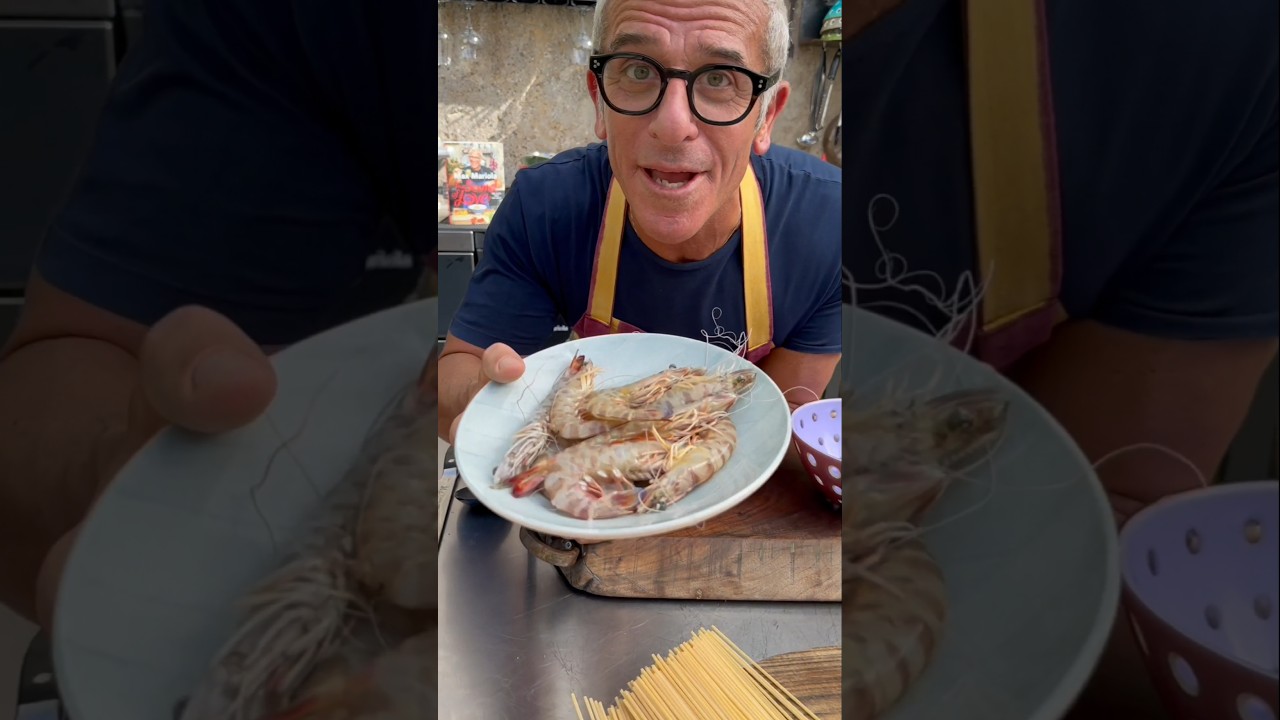
How to Make Creamy Shrimp Spaghetti – Step‑by‑Step Guide for Home Cooks
Learn to create a restaurant‑quality shrimp pasta in under an hour. This guide walks you through cleaning fresh mazzancolle, building a fragrant shrimp stock, and finishing a silky cream sauce that coats every strand of spaghetti.
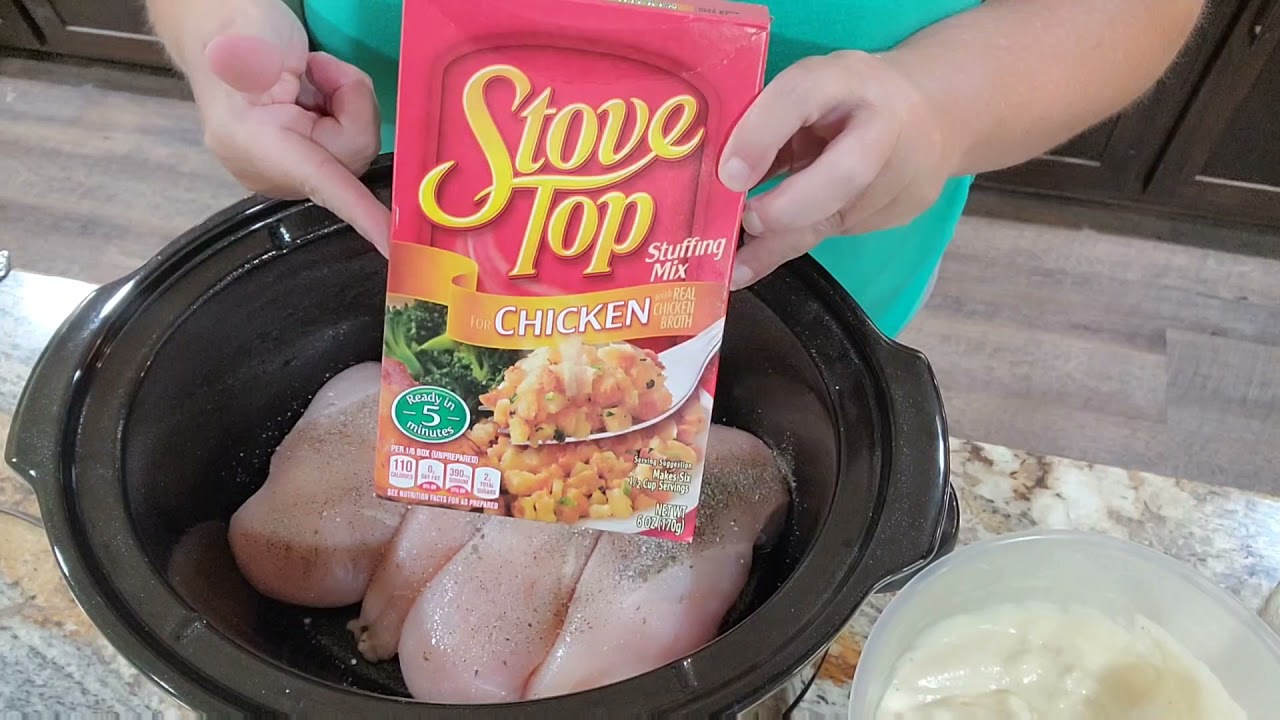
How to Make Summertime Thanksgiving in a Crock Pot Bowl - Easy One-Pot Meal
Learn to create a delicious Thanksgiving‑in‑the‑summer one‑pot dish using a crock pot, chicken, stuffing, and fresh summer sides. Perfect for busy days, this recipe cooks while you work and serves a comforting, festive meal in under five hours.