
How to Make Crispy Spicy Chicken Tenders at Home - Step by Step Guide
Learn how to create restaurant‑style crispy chicken tenders with a spicy kick in just 45 minutes. This step‑by‑step guide covers everything from a tangy buttermilk soak to a double‑coated crunch that kids and guests love.
Learn how to make crispy spicy chicken tenders at home - step by step guide. Learn how to create restaurant‑style crispy chicken tenders with a spicy kick in just 45 minutes. This step‑by‑step guide covers everything from a tangy buttermilk soak to a double‑coated crunch that kids and guests love. This comprehensive guide will walk you through everything you need to know, from the materials and tools required to detailed step-by-step instructions. Whether you're a beginner, this guide has you covered.
What You'll Need
Materials
- Boneless skinless chicken breast(500 g (about 1 lb))
Cut into 1‑inch strips for even cooking
Where to find: Supermarket meat department
Cost: $6.99
- All‑purpose flour(2 cups)
Base for dry batter
Where to find: Grocery aisle
Cost: $0.80
- Buttermilk(2 cups)
Creates tender interior and helps batter adhere
Where to find: Dairy section or make by adding 1 Tbsp vinegar to milk
Cost: $1.20
- Large egg(1)
Adds richness to the marinade
Where to find: Egg aisle
Cost: $0.25
- Red chili sauce(2 Tbsp)
Provides heat and flavor
Where to find: Asian foods aisle
Cost: $0.60
- Soy sauce(2 Tbsp)
Adds umami depth
Where to find: Condiment aisle
Cost: $0.30
- Spice blend (paprika, black pepper, garlic powder, chicken powder, oregano)(1 Tbsp total)
Season dry batter and marinade
Where to find: Spice aisle
Cost: $0.40
- Vegetable oil (canola or peanut)(2 L for frying)
High smoke point for crisp frying
Where to find: Cooking oils section
Cost: $3.00
- Garlic‑ginger paste(1 Tbsp)
Adds aromatic depth to the marinade
Where to find: International aisle or make at home
Cost: $0.50
Tools
- Mixing bowls (large & medium)
For buttermilk, marinade, and dry batter
Alternatives: Plastic containers
- Whisk or fork
To blend buttermilk and egg
Alternatives: Hand mixer
- Measuring cups and spoons
Accurate ingredient ratios
Alternatives: Kitchen scale
- Frying pan or deep skillet (12‑inch)
Even heat distribution for frying
Alternatives: Dutch oven
- Tongs or slotted spoon
Safe handling of hot chicken strips
Alternatives: Spider strainer
- Thermometer (optional)(Optional)
Ensures oil stays at 350 °F (175 °C)
Alternatives: Hand‑test method
- Paper towel lined plate
Drains excess oil after frying
Alternatives: Wire rack
Step-by-Step Instructions
Prepare the Buttermilk Soak
Combine milk and vinegar, let sit, then add egg and spices.
Start by measuring two cups of whole milk into a large mixing bowl. Add one tablespoon of white vinegar, stir quickly, and let the mixture rest for five minutes; the acid will curdle the milk, creating a homemade buttermilk that tenderizes the chicken. After the curdling period, whisk in one large egg, two tablespoons of red chili sauce, two tablespoons of soy sauce, a tablespoon of the prepared spice blend, and one tablespoon of garlic‑ginger paste. This flavorful liquid not only imparts moisture but also infuses the meat with a subtle heat and umami backbone. Mix until the ingredients are fully integrated, then set the bowl aside while you cut the chicken. The acidity of the buttermilk breaks down protein fibers, ensuring each bite stays juicy after frying.
10 minutes
Tips:
- Use whole milk for richer flavor; low‑fat milk works but yields a slightly less tender result.
Warnings:
- Do not skip the resting time; insufficient curdling reduces the tenderizing effect.
Cut and Marinate the Chicken
Slice chicken into strips and soak in the buttermilk mixture.
Take the 500 g of boneless, skinless chicken breast and pat it dry with paper towels. Using a sharp knife, cut the meat into uniform strips about one inch wide and two inches long; consistent sizing guarantees even cooking and a uniform crust. Transfer the strips into the prepared buttermilk bowl, ensuring each piece is fully submerged. Cover the bowl with plastic wrap and refrigerate for at least two hours, or overnight for maximum flavor penetration. The prolonged marination allows the spices to permeate the meat while the buttermilk's enzymes continue to soften the fibers, resulting in a tender interior that contrasts beautifully with the crispy exterior. If you’re short on time, a minimum of 30 minutes still yields a noticeable improvement over un‑marinated chicken.
2–12 hours
Tips:
- Label the bowl with the start time to avoid over‑marinating, which can make the texture mushy.
Warnings:
- Do not leave the chicken at room temperature for more than two hours to prevent bacterial growth.
Mix the Dry Batter
Combine flour with spices to create a seasoned coating.
In a separate medium bowl, sift two cups of all‑purpose flour to aerate it and prevent lumps. Add half a teaspoon each of paprika, black pepper, garlic powder, and chicken powder, then a quarter teaspoon of salt and a pinch of oregano. Stir the mixture with a whisk until the spices are evenly distributed throughout the flour. This seasoned dry batter serves two purposes: it creates the initial crust that adheres to the moist chicken, and it delivers the final burst of flavor in every bite. The balance of spices should be mild enough for children yet provide a gentle heat that adults will appreciate. Adjust the amount of red chili flakes if you prefer extra spiciness, but remember that the coating will amplify any heat added here.
5 minutes
Tips:
- Sifting the flour also helps achieve a lighter, airier crust once fried.
Warnings:
- Avoid over‑mixing; excessive agitation can develop gluten, leading to a tougher coating.
Set Up Coating Stations
Arrange three bowls for flour, buttermilk, and a second flour dip.
Prepare a shallow dish with the remaining buttermilk mixture (you may need a little extra if the bowl is shallow). Next, line a second shallow dish with the seasoned dry batter you just prepared. Finally, have a third dish ready with a fresh portion of the same dry batter for the second coating. This three‑station system—dry, wet, dry—creates a barrier that traps moisture inside the chicken while forming a crunchy shell on the outside. The double‑dip method is the secret behind the ultra‑crispy texture: the first flour layer adheres to the wet surface, the second wet dip adds moisture for steam generation, and the final flour coat creates a lattice that fries up golden and crisp. Keep the stations close together to maintain a smooth workflow and prevent the batter from drying out before use.
5 minutes
Tips:
- Keep the bowls chilled (a quick fridge stint) to prevent the batter from becoming too runny during coating.
Warnings:
- Do not let the wet batter sit uncovered for too long; it can develop a skin that interferes with adhesion.
Double‑Coat Each Chicken Strip
Dredge, dip, then dredge again for a thick crust.
Take one chicken strip and first roll it in the dry batter, ensuring every surface is lightly coated. Shake off excess flour, then immediately submerge the strip into the buttermilk dip for two to three seconds—just enough to wet the surface without soaking it. Remove the strip and return it to the dry batter for a second coating, pressing gently to create a uniform layer. This double‑coating technique builds a multi‑layered crust that expands slightly when fried, producing pockets of steam that keep the interior moist while the exterior turns irresistibly crunchy. Place the coated strips on a clean tray and repeat the process for the remaining pieces, working quickly to keep the batter from drying. Once all strips are coated, give each a gentle shake to remove any loose flour that could burn in the oil.
10 minutes
Tips:
- If you prefer a lighter crust, a single coat works, but the double coat guarantees the signature crunch described in the video.
Warnings:
- Avoid over‑coating; too much batter can detach during frying, leading to uneven browning.
Rest the Coated Strips
Let the coated chicken sit briefly before frying.
After coating, allow the chicken strips to rest on the tray for about five minutes at room temperature. This short rest lets the flour adhere firmly to the wet surface, reducing the chance of the coating falling off when it hits the hot oil. During this time, the moisture from the buttermilk evaporates slightly, forming a thin film that helps the outer layer set quickly once it contacts the oil. If you have extra time, you can cover the tray loosely with parchment paper and refrigerate for up to 30 minutes for an even sturdier crust. However, be careful not to chill for too long, as the batter may become too firm and crack when fried.
5 minutes
Tips:
- A brief rest improves the seal between batter and chicken, resulting in a more uniform golden color.
Warnings:
- Do not leave the coated strips uncovered for more than 30 minutes; the batter can dry out and create a gritty texture.
Heat Oil and Fry the Tenders
Cook strips in hot oil until golden brown and cooked through.
Fill a 12‑inch frying pan with enough vegetable oil to reach a depth of about one inch, then heat over medium‑low heat until the oil reaches 350 °F (175 °C). Use a thermometer or test by dropping a tiny breadcrumb; it should sizzle and turn golden within 15‑20 seconds. Carefully place a few coated strips into the oil, making sure not to overcrowd the pan, which would drop the temperature and result in soggy coating. Fry each side for 2‑3 minutes, turning with tongs to ensure even browning. The total cooking time per batch is 5‑7 minutes, depending on strip thickness. The oil should bubble gently; if it smokes or splatters aggressively, lower the heat immediately. When the tenders achieve a light amber hue and the internal temperature reads 165 °F (74 °C), remove them with a slotted spoon and transfer to the paper‑towel‑lined plate to drain excess oil.
15 minutes
Tips:
- Maintain a steady oil temperature; a kitchen timer helps you flip at consistent intervals for uniform color.
Warnings:
- Never leave hot oil unattended; it can ignite if it reaches its smoke point.
Serve and Enjoy
Plate the tenders and add your favorite dips.
Arrange the freshly fried chicken tenders on a serving platter, optionally sprinkling a pinch of sea salt or chopped fresh herbs for extra flavor and visual appeal. Serve immediately while the crust is still crisp, accompanied by classic dips such as honey mustard, ranch, or a spicy mayo. The residual steam inside the coating keeps the meat moist, so the tenders stay juicy even after a few minutes. For a complete meal, pair them with a simple green salad, coleslaw, or sweet potato fries. Store any leftovers in an airtight container in the refrigerator for up to two days; re‑heat in a pre‑heated oven at 375 °F (190 °C) for five minutes to restore crunchiness.
5 minutes
Tips:
- If you’re preparing a large crowd, keep cooked tenders warm in a low oven (200 °F) on a wire rack to preserve crispness.
Warnings:
- Avoid stacking hot tenders while still oily; steam can soften the crust.
Conclusion
You've now learned how to make crispy spicy chicken tenders at home - step by step guide! By following these 8 detailed steps, you should be able to successfully complete this task. Remember to use cold water for the final dip to shock the coating and enhance crispness.. If you encounter any issues, refer back to the troubleshooting section above.
Common Mistakes to Avoid
❌ Coating falls off during frying
✅ Ensure each strip is fully dry after the final shake and maintain oil temperature around 350 °F.
❌ Tenders are soggy inside
✅ Do not overcrowd the pan; this drops oil temperature and prevents proper sealing.
❌ Over‑marinating makes chicken mushy
✅ Limit marination to 2‑12 hours; longer than 24 hours breaks down proteins excessively.
Troubleshooting
Problem: Oil is smoking or smells burnt
Solution: Reduce heat immediately; let oil cool slightly before continuing, or replace oil if it’s degraded.
Problem: Coating is pale and not crisp
Solution: Increase oil temperature slightly and fry a smaller batch to maintain heat.
Problem: Chicken is undercooked in the center
Solution: Check internal temperature with a meat thermometer; fry a bit longer on medium heat or finish in a pre‑heated oven at 350 °F for 5 minutes.
Frequently Asked Questions
Can I use frozen chicken strips?
Yes, but thaw them completely and pat dry before marinating; frozen pieces release excess water, which can prevent the coating from adhering properly.
What if I don’t have buttermilk?
Mix 1 Tbsp white vinegar or lemon juice into 1 cup milk and let sit 5 minutes; this homemade substitute works equally well for tenderizing.
Is it possible to bake instead of fry?
Preheat the oven to 425 °F, place coated strips on a wire rack over a baking sheet, and bake for 15‑18 minutes, flipping halfway, for a healthier but slightly less crisp result.
How long can I store the marinated chicken?
Marinated chicken can be refrigerated up to 24 hours; beyond that, the texture may become mushy and the flavor overly intense.
Can I add gluten‑free flour?
Absolutely—swap the all‑purpose flour with a 1‑to‑1 gluten‑free blend; just ensure the blend contains a binding agent like xanthan gum for best texture.
Quick Info
- Difficulty
- Beginner
- Time Required
- 45 minutes
- Estimated Cost
- $14.04 USD
- Category
- Food & Cooking
Safety First
- •Never leave hot oil unattended; it can ignite quickly.
- •Use long‑handled tongs to avoid burns from splattering oil.
- •Keep a lid nearby to smother any accidental oil fires.
- •Place the frying pan on a stable, heat‑resistant surface away from curtains or paper.
Pro Tips
- •Use cold water for the final dip to shock the coating and enhance crispness.
- •Pat the chicken dry before marinating to ensure the buttermilk adheres evenly.
- •Season the flour mixture a little extra; some seasoning is lost in the oil.
- •Keep a lid nearby when frying to safely cover splatters.
- •Let the oil return to temperature between batches for consistent results.
Before You Start
- Basic knife skills for cutting chicken
- Understanding of safe oil frying temperatures
- Access to a kitchen scale or measuring cups
What's Next?
- →Experiment with different spice blends for the batter
- →Try a double‑coating technique using panko breadcrumbs for extra crunch
- →Learn to make a homemade honey‑chili glaze to toss the tenders in after frying
Related How-To Guides

How to Make Pokemon-Themed Desserts for Kids - Step by Step Fun Guide
Learn how to create adorable Pokemon-inspired desserts that kids will love. This step‑by‑step guide covers everything from planning the theme to decorating with fondant and candy, perfect for birthday parties or a fun family activity.
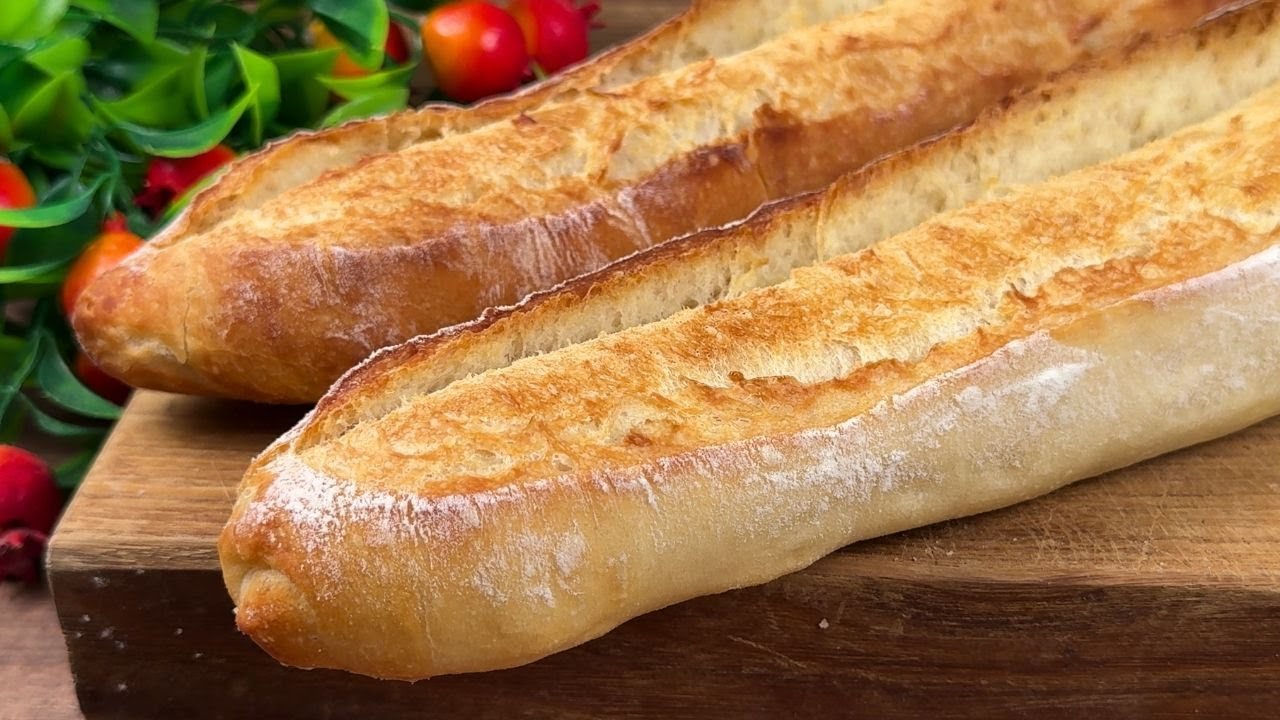
How to Make Perfect No-Knead French Baguettes – Crispy, Light, Step‑by‑Step for Beginners
Learn to bake authentic French baguettes at home without kneading. This step‑by‑step guide covers mixing, folding, shaping, and steaming for a crispy crust and airy crumb.

How to Make Kid-Friendly One-Pot Meals - 10 Easy Recipes for Busy Parents
Learn to whip up ten quick, nutritious one‑pot meals that kids love. From squid stir‑fry to shrimp oat risotto, each recipe uses simple ingredients, minimal cleanup, and kid‑approved flavors.

How to Make Rich Dried Pollack Soup – Step by Step Guide for Beginners
Learn to create a deep‑flavored, milky dried pollack (북어) soup that tastes like it was simmered in a traditional Korean cauldron. This guide walks you through every step, from prepping the fish to perfecting the broth.
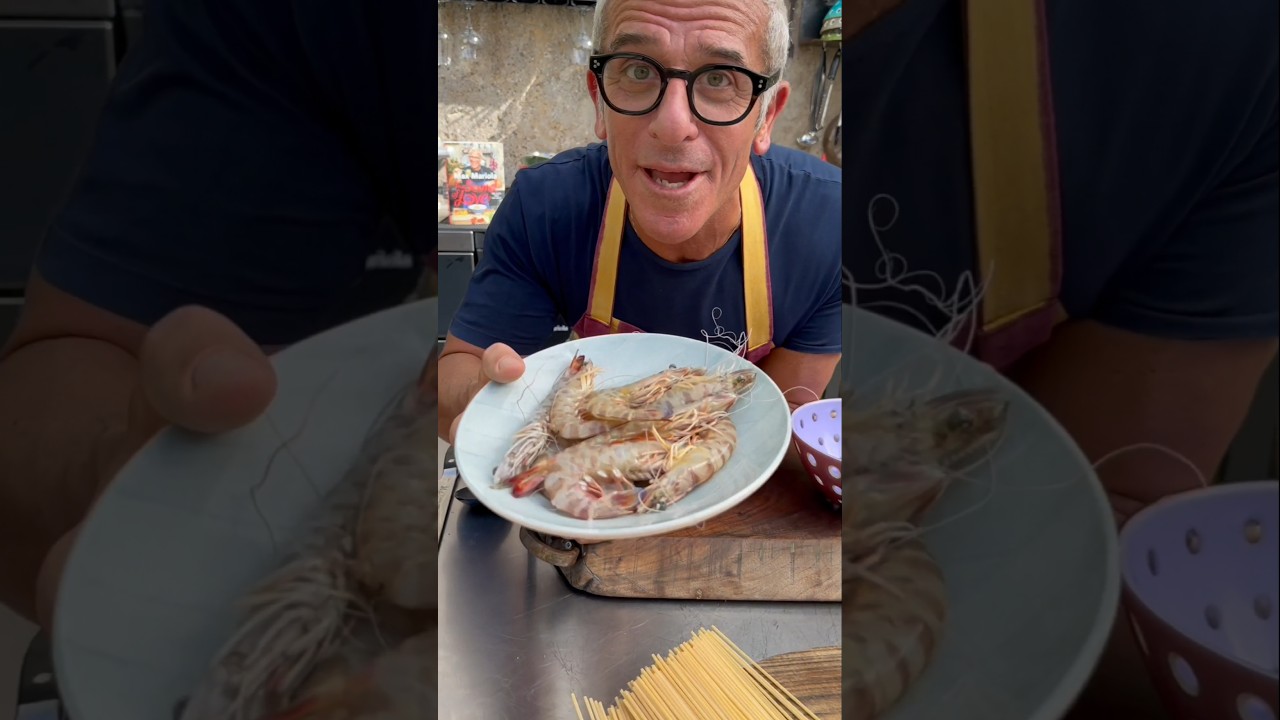
How to Make Creamy Shrimp Spaghetti – Step‑by‑Step Guide for Home Cooks
Learn to create a restaurant‑quality shrimp pasta in under an hour. This guide walks you through cleaning fresh mazzancolle, building a fragrant shrimp stock, and finishing a silky cream sauce that coats every strand of spaghetti.
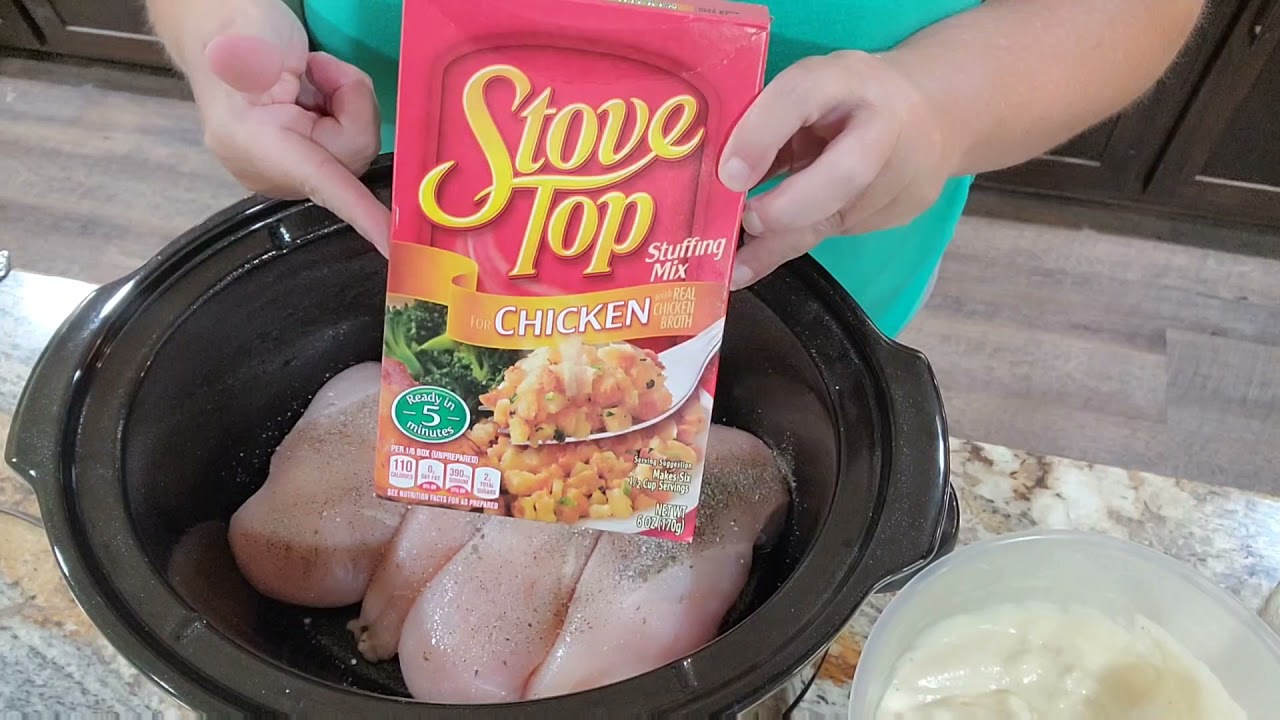
How to Make Summertime Thanksgiving in a Crock Pot Bowl - Easy One-Pot Meal
Learn to create a delicious Thanksgiving‑in‑the‑summer one‑pot dish using a crock pot, chicken, stuffing, and fresh summer sides. Perfect for busy days, this recipe cooks while you work and serves a comforting, festive meal in under five hours.