
How to Make Authentic Beef Nihari with Homemade Spices - Step by Step Guide
Learn to create restaurant‑style beef nihari at home using a fully homemade spice blend. This guide walks you through roasting, grinding, and simmering for a rich, melt‑in‑the‑mouth curry in just 90 minutes.
Learn how to make authentic beef nihari with homemade spices - step by step guide. Learn to create restaurant‑style beef nihari at home using a fully homemade spice blend. This guide walks you through roasting, grinding, and simmering for a rich, melt‑in‑the‑mouth curry in just 90 minutes. This comprehensive guide will walk you through everything you need to know, from the materials and tools required to detailed step-by-step instructions. Whether you're a intermediate, this guide has you covered.
What You'll Need
Materials
- Beef shank or stew meat(1 kg)
Cut into 2‑inch pieces for even cooking
Where to find: Butcher or supermarket meat department
Cost: $12.00
- Whole coriander seeds(2 tbsp)
Will be toasted and ground for masala
Where to find: Spice aisle
Cost: $0.80
- Fennel seeds(4 tbsp)
Adds sweet undertone to masala
Where to find: Spice aisle
Cost: $0.70
- Cinnamon sticks(2 small pieces)
Provides warm depth
Where to find: Spice aisle
Cost: $0.50
- Cumin seeds(1 tbsp)
Earthy backbone of the blend
Where to find: Spice aisle
Cost: $0.40
- Black peppercorns(1 tbsp)
Adds mild heat
Where to find: Spice aisle
Cost: $0.30
- Green cardamom pods(4 pods)
Aromatic, slightly sweet
Where to find: Spice aisle
Cost: $0.60
- Star anise(2 pods)
Distinct licorice note
Where to find: Spice aisle
Cost: $0.40
- Mace (javitri)(½ piece)
Warm, nutty flavor
Where to find: Spice aisle
Cost: $0.70
- Cloves(7‑8)
Intense aromatic punch
Where to find: Spice aisle
Cost: $0.30
- Bay leaves(2)
Adds subtle herbal note
Where to find: Spice aisle
Cost: $0.20
- Nutmeg (optional)(¼ tsp grated)(Optional)
Enhances depth if desired
Where to find: Spice aisle
Cost: $0.10
- Red chili powder (Kashmiri)(1 tbsp)
Provides color and mild heat
Where to find: Spice aisle
Cost: $0.25
- Turmeric powder(1 tsp)
Adds golden hue
Where to find: Spice aisle
Cost: $0.10
- Garlic‑ginger paste(2 tbsp)
Base aromatics
Where to find: Produce or ready‑made jar
Cost: $0.80
- Green chilies (optional)(2, finely chopped)(Optional)
Extra heat if desired
Where to find: Produce section
Cost: $0.20
- Salt(to taste (≈½ tbsp))
Seasoning
Where to find: Pantry
Cost: $0.05
- Oil or ghee(1 cup)
For sautéing and thickening
Where to find: Pantry
Cost: $1.20
- All‑purpose flour(4 tbsp)
Thickens the gravy
Where to find: Pantry
Cost: $0.10
- Water(4‑5 cups)
Adjust for desired consistency
Where to find: Tap
Tools
- Pressure cooker or heavy‑bottom pot
Cooks meat quickly and retains flavor
Alternatives: Dutch oven
- Spice grinder or mortar & pestle
Grinds whole spices to a fine powder
Alternatives: Coffee grinder
- Large sauté pan
For browning meat and spices
Alternatives: Deep skillet
- Wooden spoon or silicone spatula
Stirring without scratching cookware
Alternatives: Heat‑resistant spoon
- Whisk
Ensures smooth slurry when adding flour
Alternatives: Fork
- Measuring spoons and cups
Accurate ingredient ratios
Alternatives: Kitchen scale
- Serving bowl and garnish plates(Optional)
For presentation
Alternatives: Any deep bowl
Step-by-Step Instructions
Toast Whole Spices
Heat a dry pan and lightly toast all whole spices for 1‑2 minutes.
Begin by placing a heavy‑bottom pan over medium heat. Add coriander seeds, fennel seeds, cinnamon sticks, cumin seeds, black peppercorns, green cardamom pods, star anise, mace, cloves, and bay leaves. Stir continuously to prevent burning; you’ll notice a fragrant puff as the essential oils are released. The goal is to dry‑roast, not to brown, which would impart bitterness. This step reduces moisture in the spices, making them easier to grind into a fine, aromatic powder. Once you smell a deep, nutty aroma, immediately transfer the spices to a plate to stop further cooking. This controlled toasting is crucial for achieving the signature depth of flavor in nihari.
5 minutes
Tips:
- Keep the heat moderate; high heat can scorch the spices.
Warnings:
- Do not let the spices burn, as burnt spices become acrid.
Grind the Masala
Grind the toasted spices into a fine powder using a grinder.
While the spices are still warm, place them into a clean spice grinder or mortar and pestle. Pulse until you achieve a uniform, fine powder—no coarse chunks should remain. A fine grind ensures even distribution throughout the stew, preventing grainy texture. After grinding, transfer the powder to a bowl and add red chili powder, turmeric, and a pinch of salt. Mix thoroughly to combine the base masala with the color‑enhancing spices. This freshly ground blend is far more potent than pre‑packaged mixes, delivering bright, layered flavors that develop further during cooking. Store any excess masala in an airtight jar in the refrigerator; it will keep for up to six months, ready for future batches.
3 minutes
Tips:
- Grind in small batches to avoid overheating the grinder.
Warnings:
- Avoid over‑filling the grinder; it can strain the motor.
Sear the Beef
Heat oil/ghee in the pressure cooker and sear the beef pieces until browned.
Set your pressure cooker (or heavy pot) on medium‑high heat and add the cup of oil or ghee. Once shimmering, add the beef chunks in a single layer, ensuring the pan isn’t overcrowded—this allows each piece to develop a caramelized crust. Sear for about 3‑4 minutes per side, stirring occasionally. Browning creates Maillard reactions, which generate deep, savory notes essential for a rich nihari broth. As the meat releases its juices, they will combine with the oil, forming a flavorful base. If you notice excess moisture, increase the heat briefly to evaporate it, but avoid burning the meat. Once all sides are nicely browned, set the meat aside temporarily.
8 minutes
Tips:
- Pat the beef dry with paper towels before searing for better browning.
Warnings:
- Do not crowd the pot; steaming instead of searing leads to a bland stew.
Sauté Aromatics
Add garlic‑ginger paste and optional green chilies; sauté until fragrant.
In the same pot, lower the heat to medium and add the garlic‑ginger paste, stirring constantly. Cook for about 2 minutes until the raw aroma disappears and a golden hue appears. If you enjoy extra heat, incorporate the finely chopped green chilies now; they will soften and meld with the paste, releasing their capsaicin without overwhelming the dish. This sauté builds the foundational flavor layer, ensuring that the subsequent masala adheres to the oil and meat, preventing clumping. The oil acts as a carrier for the volatile compounds in garlic and ginger, distributing them evenly throughout the stew.
3 minutes
Tips:
- Scrape the bottom of the pot to release any browned bits (fond) for added depth.
Warnings:
- Watch closely; garlic can burn quickly and become bitter.
Incorporate Homemade Masala
Add the ground nihari masala and stir until aromatic.
Sprinkle the freshly ground masala over the sautéed aromatics, stirring vigorously to coat the oil and aromatics. Cook for 4‑5 minutes, allowing the spices to bloom in the fat. This step unlocks the essential oils trapped within the spices, intensifying their flavor and creating a cohesive, fragrant base. You’ll notice the mixture turning a deep reddish‑brown color and emitting a rich, spicy perfume. Stir continuously to prevent the spices from sticking to the bottom and scorching. Proper blooming ensures that the final gravy will have a balanced, deep flavor rather than a raw, powdery taste.
5 minutes
Tips:
- If the mixture looks dry, add a splash of water to deglaze and keep the spices moving.
Add Beef and Simmer
Return the seared beef, add water, and pressure‑cook until tender.
Place the browned beef back into the pot, mixing it thoroughly with the spiced base. Pour in 4‑5 cups of water, adjusting for your preferred gravy thickness; more water yields a thinner broth, while less creates a richer, thicker sauce. Secure the pressure cooker lid and bring to high pressure. Cook for 20‑22 minutes, which will render the connective tissue tender and allow the flavors to meld. If using a regular pot, simmer on low heat for 1½‑2 hours, checking occasionally and adding water if needed. The goal is a melt‑away texture where the meat easily separates from the bone, indicating the collagen has fully broken down.
30 minutes
Tips:
- Add a pinch of salt now; it helps the meat retain moisture during cooking.
Warnings:
- Do not over‑fill the pressure cooker; stay below the max fill line for safety.
Thicken the Gravy
Create a flour slurry and stir into the simmering stew until thickened.
In a small bowl, whisk together the all‑purpose flour (or besan) with a few tablespoons of cold water to form a smooth slurry, ensuring no lumps remain. Gradually pour the slurry into the hot stew while continuously whisking. This technique prevents clumping and distributes the thickening agent evenly. Continue to simmer for another 5‑10 minutes; the gravy will gradually acquire a glossy, velvety texture as the starch gelatinizes. Adjust the consistency by adding more water if it becomes too thick, or a little extra slurry for a richer body. The thickened sauce is a hallmark of authentic nihari, allowing it to cling to naan or rice beautifully.
10 minutes
Tips:
- Add the slurry slowly; you can always thicken more but cannot thin easily without extra liquid.
Prepare Tadka (Tempering)
Heat oil, add a pinch of Kashmiri red chili, and pour over the nihari before serving.
In a small skillet, heat a tablespoon of oil or ghee over medium heat. Once shimmering, add a pinch of Kashmiri red chili powder; it will sizzle briefly, releasing a vibrant color and a subtle smoky note. Immediately drizzle this hot tadka over the finished nihari, allowing the spices to burst and infuse the surface. This final flourish adds a layer of aromatic complexity and a glossy sheen that signals the dish is ready to serve. It also awakens the palate, making each bite more dynamic.
2 minutes
Tips:
- Do not let the chili powder burn; it should toast for just a few seconds.
Garnish and Serve
Garnish with fresh ginger, green chilies, lemon wedges, and cilantro; serve hot with naan or rice.
Transfer the steaming nihari to a deep serving bowl. Top with thinly sliced fresh ginger, slit green chilies, a wedge of lemon, and a generous handful of chopped cilantro. These fresh garnishes provide contrasting textures—crisp, tangy, and herbaceous—that balance the rich, spiced gravy. Serve immediately with hot buttered naan, paratha, or steamed basmati rice to soak up the luscious sauce. The combination of soft meat, thick gravy, and bright garnishes creates a harmonious mouthfeel that epitomizes comfort food while showcasing the depth of homemade spices.
5 minutes
Tips:
- Allow the nihari to rest for 5 minutes before serving; flavors meld further.
Conclusion
You've now learned how to make authentic beef nihari with homemade spices - step by step guide! By following these 9 detailed steps, you should be able to successfully complete this task. Remember to toast whole spices gently to unlock their essential oils without burning them.. If you encounter any issues, refer back to the troubleshooting section above.
Common Mistakes to Avoid
❌ Burning the whole spices during toasting
✅ Keep the heat medium and stir constantly; remove from pan as soon as fragrant.
❌ Adding flour slurry too quickly, causing lumps
✅ Whisk flour with cold water first, then drizzle slowly while stirring the stew.
❌ Overcrowding the pot when searing meat, leading to steaming
✅ Sear in batches, giving each piece space to brown properly.
Troubleshooting
Problem: Gravy is too thin after cooking
Solution: Simmer uncovered to reduce liquid or add a little more flour slurry, stirring continuously.
Problem: Nihari tastes bland or raw spice flavor
Solution: Ensure spices are properly toasted and browned; increase simmer time to allow flavors to meld.
Problem: Meat is still tough after pressure cooking
Solution: Cook for an additional 5‑7 minutes under pressure or continue simmering on low heat until tender.
Frequently Asked Questions
Can I use a slow cooker instead of a pressure cooker?
Yes, set the slow cooker on low for 6‑8 hours or high for 3‑4 hours; the meat will become tender, but you’ll need to thicken the gravy at the end.
Is it possible to make a vegetarian nihari?
Replace beef with jackfruit or mushrooms, use vegetable broth, and follow the same spice blend; adjust cooking time to soften the plant protein.
How long can I store cooked nihari in the fridge?
Cooked nihari keeps for 3‑4 days refrigerated in an airtight container; reheat gently on the stove, adding a splash of water if needed.
Can I freeze the homemade nihari masala?
Absolutely; store the dry masala in a freezer‑safe bag for up to 3 months, ensuring it stays airtight to preserve potency.
What side dishes pair best with nihari?
Traditional accompaniments include buttered naan, paratha, steamed basmati rice, and a side of sliced onions, lemon wedges, and fresh cilantro.
Quick Info
- Difficulty
- Intermediate
- Time Required
- 1 hour 30 minutes
- Estimated Cost
- $19.70 USD
- Category
- Food & Cooking
Safety First
- •Handle hot oil with care to avoid splatter burns.
- •Use oven mitts when releasing pressure from the cooker.
- •Keep a lid off the stove when thickening the gravy to prevent steam burns.
Pro Tips
- •Toast whole spices gently to unlock their essential oils without burning them.
- •Grind spices while still warm for a finer texture and stronger aroma.
- •Sear meat in batches to avoid steaming; a good crust adds depth.
- •Use a pressure cooker to reduce cooking time while still achieving melt‑away tenderness.
- •Adjust water gradually when thickening; you can always add more but not remove excess.
- •Store leftover homemade masala in an airtight jar in the fridge for up to six months.
- •Add a splash of lemon juice at the end to brighten the heavy flavors.
Before You Start
- Basic knowledge of stovetop cooking and pressure‑cooker operation
- Access to a spice grinder or mortar & pestle
- Ability to safely handle hot oil and steam
What's Next?
- →Experiment with adding yogurt for a tangier nihari variation
- →Learn to make traditional nihari toppings like fried onions and boiled eggs
- →Explore regional nihari styles from Lahore and Karachi
Related How-To Guides

How to Make Pokemon-Themed Desserts for Kids - Step by Step Fun Guide
Learn how to create adorable Pokemon-inspired desserts that kids will love. This step‑by‑step guide covers everything from planning the theme to decorating with fondant and candy, perfect for birthday parties or a fun family activity.

How to Make Perfect No-Knead French Baguettes – Crispy, Light, Step‑by‑Step for Beginners
Learn to bake authentic French baguettes at home without kneading. This step‑by‑step guide covers mixing, folding, shaping, and steaming for a crispy crust and airy crumb.

How to Make Kid-Friendly One-Pot Meals - 10 Easy Recipes for Busy Parents
Learn to whip up ten quick, nutritious one‑pot meals that kids love. From squid stir‑fry to shrimp oat risotto, each recipe uses simple ingredients, minimal cleanup, and kid‑approved flavors.

How to Make Rich Dried Pollack Soup – Step by Step Guide for Beginners
Learn to create a deep‑flavored, milky dried pollack (북어) soup that tastes like it was simmered in a traditional Korean cauldron. This guide walks you through every step, from prepping the fish to perfecting the broth.
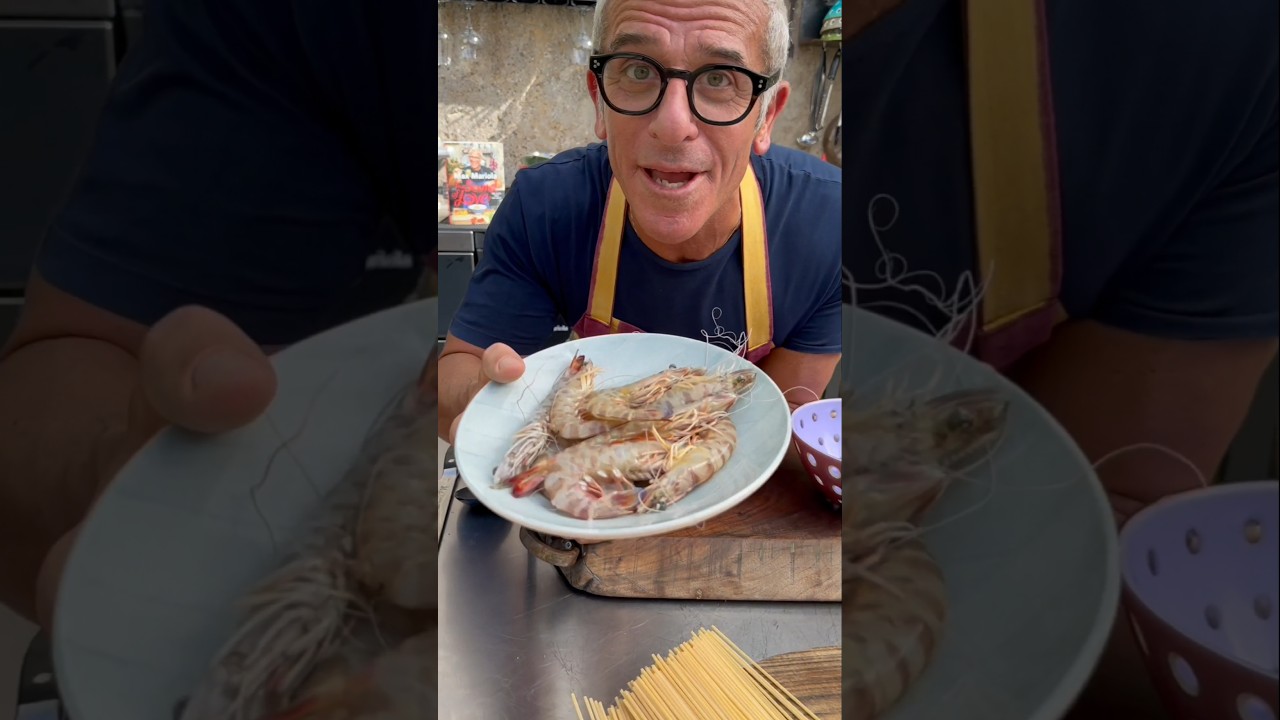
How to Make Creamy Shrimp Spaghetti – Step‑by‑Step Guide for Home Cooks
Learn to create a restaurant‑quality shrimp pasta in under an hour. This guide walks you through cleaning fresh mazzancolle, building a fragrant shrimp stock, and finishing a silky cream sauce that coats every strand of spaghetti.
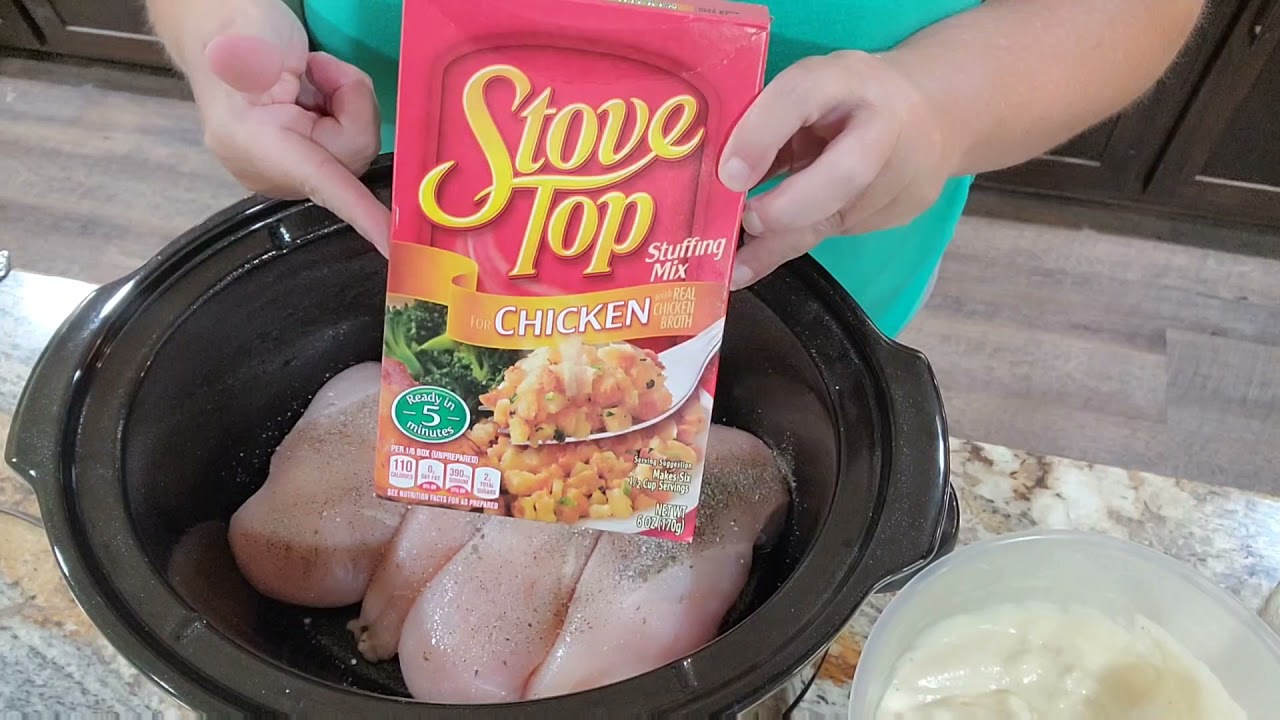
How to Make Summertime Thanksgiving in a Crock Pot Bowl - Easy One-Pot Meal
Learn to create a delicious Thanksgiving‑in‑the‑summer one‑pot dish using a crock pot, chicken, stuffing, and fresh summer sides. Perfect for busy days, this recipe cooks while you work and serves a comforting, festive meal in under five hours.