
How to Make Authentic Old Delhi Mutton Korma - Step by Step Guide
Learn to recreate the iconic Old Delhi Mutton Korma at home with this detailed, step‑by‑step guide. From crisp birista to fragrant spice paste, achieve restaurant‑level flavor in just a few hours.
Learn how to make authentic old delhi mutton korma - step by step guide. Learn to recreate the iconic Old Delhi Mutton Korma at home with this detailed, step‑by‑step guide. From crisp birista to fragrant spice paste, achieve restaurant‑level flavor in just a few hours. This comprehensive guide will walk you through everything you need to know, from the materials and tools required to detailed step-by-step instructions. Whether you're a intermediate, this guide has you covered.
What You'll Need
Materials
- Mutton (bone‑in pieces)(1 kg)
Provides rich flavor and gelatin for gravy
Where to find: Local butcher or Indian grocery store
Cost: $15.00
- Onions(350 g (≈5 medium))
Used to make birista (crispy fried onions)
Where to find: Supermarket produce aisle
Cost: $1.20
- Plain Yogurt (unsoured)(400 g)
Adds tanginess and tenderizes meat
Where to find: Dairy section
Cost: $2.00
- Fresh Ginger‑Garlic Paste(1 tbsp)
Base aromatics for the gravy
Where to find: Indian grocery or make at home
Cost: $0.80
- Coriander Powder(2 tbsp)
Warm, earthy flavor
Where to find: Spice aisle
Cost: $0.50
- Red Chili Powder(2 tbsp)
Provides heat; adjust to taste
Where to find: Spice aisle
Cost: $0.40
- Whole Spices (cardamom, clove, cinnamon, star anise, mace)(Mixed, see recipe notes)
Grind into aromatic powder for korma masala
Where to find: Indian grocery
Cost: $1.50
- Cooking Oil (vegetable or mustard)(≈3 cups (for birista & gravy))
Used for deep‑frying onions and simmering korma
Where to find: Supermarket
Cost: $2.00
- Salt(to taste)
Enhances all flavors
Where to find: Pantry
Cost: $0.05
- Kasuri Methi (dried fenugreek leaves)(1 tsp)(Optional)
Adds subtle bitterness and aroma at the end
Where to find: Indian grocery
Cost: $0.30
Tools
- Deep Frying Pan or Kadai
For frying birista and simmering korma
Alternatives: Heavy‑bottomed saucepan
- Mandoline Slicer or Sharp Knife
Creates uniform onion slices for crisp birista
Alternatives: Food processor with slicing blade
- Spice Grinder or Mortar & Pestle
Grinds whole spices into fine powder
Alternatives: Coffee grinder (cleaned)
- Heavy‑bottomed Pot with Lid
Allows slow cooking of mutton without burning
Alternatives: Dutch oven
- Wooden Spoon or Silicone Spatula
Stirring without scratching cookware
Alternatives: Heat‑resistant ladle
- Strainer or Slotted Spoon(Optional)
Drains excess oil from birista
Alternatives: Fine mesh sieve
- Thermometer (optional)(Optional)
Monitors oil temperature for perfect birista
Alternatives: Infrared thermometer
Step-by-Step Instructions
Slice and Fry the Onions (Birista)
Thinly slice onions and deep‑fry until golden‑brown.
Begin by washing and peeling the onions, then slice them uniformly using a mandoline or a sharp knife; even slices ensure consistent frying and prevent burnt spots. Heat oil in a deep pan to 150‑165 °C (use a thermometer or test with a small onion piece). Add the onion slices in batches, stirring gently to keep them from sticking together. The onions will first release moisture, then gradually turn pink and finally achieve a light golden‑brown hue. This gradual caramelization develops the sweet, nutty flavor that forms the backbone of the korma's gravy. Once the desired color is reached, quickly remove the birista with a slotted spoon, drain on paper towels, and set aside. Preserve the oil—it’s infused with onion essence and will be reused later for cooking the meat, adding depth without extra fat.
20 minutes
Tips:
- Do not overcrowd the pan; fry in small batches.
- Maintain medium‑high heat; too hot will burn the onions.
Warnings:
- Hot oil can splatter—use a splatter guard.
Prepare the Korma Spice Paste
Grind whole spices into a fine powder.
Gather whole spices: one large cardamom pod, five small cardamoms, half a mace flower, a small piece of nutmeg, and a 1‑inch cinnamon stick. Toast them briefly in a dry pan for 30 seconds to awaken their essential oils, then transfer to a spice grinder or mortar and pestle. Grind until you obtain a fine, aromatic powder. This freshly ground masala releases volatile compounds that store‑bought blends often lack, giving the korma its signature fragrance. The resulting powder should be fragrant, slightly sweet, and slightly peppery. Set the powder aside; it will be added later to intensify the gravy's aroma and provide the characteristic "dana" texture.
5 minutes
Tips:
- Grind in small batches for uniform texture.
- Cool the toasted spices before grinding to avoid moisture.
Marinate the Mutton
Combine mutton with yogurt, spices, and ginger‑garlic paste.
In a large mixing bowl, place the bone‑in mutton pieces. Add the unsoured yogurt, which tenderizes the meat through its mild acidity, and whisk in the ginger‑garlic paste for a foundational aroma. Sprinkle coriander powder, red chili powder, and a pinch of salt, then mix thoroughly ensuring every piece is coated. The yogurt not only softens the meat but also creates a creamy base that later melds with the onion‑infused oil. Let the mixture rest for at least 30 minutes at room temperature; this resting period allows the spices to penetrate the meat, resulting in a more flavorful and tender final product.
30 minutes (plus optional overnight)
Tips:
- If short on time, a 15‑minute rest still improves flavor.
- Use a non‑metallic bowl to prevent reaction with acidic yogurt.
Sear the Marinated Mutton
Cook the marinated meat in the reserved onion oil over high flame.
Heat the oil retained from the birista in a heavy‑bottomed pot over high flame. Once shimmering, add the marinated mutton pieces, spreading them in a single layer. Stir continuously for 8‑10 minutes; this high‑heat searing locks in juices, develops a light crust, and begins to release the yogurt’s moisture, forming a thin gravy. The oil’s onion flavor merges with the meat, creating a layered taste profile. Avoid overcrowding the pot—if necessary, sear in batches. During this stage, the meat will release its own fat and water; monitor the heat to prevent scorching. The goal is a lightly browned exterior while the interior remains uncooked, ready for the slow‑cooking phase.
10 minutes
Tips:
- Scrape the bottom of the pot to prevent sticking.
- If the mixture looks dry, add a splash of water.
Warnings:
- Hot oil splatter; use a lid partially if needed.
Simmer the Korma
Add spices, water, and cook until meat is tender.
Once the mutton is lightly browned, lower the flame to medium‑low and add the freshly ground whole‑spice powder, whole green cardamoms, cloves, and a tablespoon of ginger‑garlic paste if desired for extra depth. Stir for a minute to toast the spices, releasing their aromatics. Then, pour in enough water to just cover the meat—usually about 1 to 1½ cups—allowing the gravy to thicken naturally as the meat releases its juices. Cover the pot with a tight‑fitting lid and let it simmer for 45‑60 minutes, checking occasionally. The slow cooking breaks down collagen, making the meat melt‑in‑your‑mouth tender while the gravy becomes rich and silky. If the gravy dries out, add a splash of hot water; if too thin, uncover for the last 10 minutes to reduce.
60 minutes
Tips:
- Stir gently every 15 minutes to prevent sticking.
- Adjust salt midway after tasting the broth.
Warnings:
- Do not stir vigorously; it can break the meat fibers.
Incorporate the Birista and Final Spice Blend
Crush birista, add to korma, and finish with coriander powder.
While the meat is nearing tenderness, take the cooled birista and crush it lightly using a mortar or the back of a spoon; the goal is to create coarse crumbs that will dissolve into the gravy, forming the signature "dana" texture. Sprinkle the crushed birista into the pot along with an extra tablespoon of coriander powder for freshness. Stir gently, allowing the onion fragments to absorb the sauce and release their sweet notes. Add a few drops of kewra water (optional) for a subtle floral aroma; this is traditional but can be omitted if unavailable. Continue cooking uncovered for another 10‑12 minutes on low heat, letting the gravy thicken and the birista fully integrate, resulting in a velvety, grainy consistency.
12 minutes
Tips:
- Do not over‑crush; keep some texture for the dana effect.
- Taste and adjust salt or chili at this stage.
Rest and Garnish
Turn off heat, let korma rest, then garnish with kasuri methi.
Once the gravy reaches a luscious, slightly thick consistency and the meat is fork‑tender, switch off the flame. Allow the korma to rest, covered, for 15‑20 minutes. This resting period lets the flavors meld, the meat fibers relax, and the gravy settle, ensuring each bite is uniformly flavored. Before serving, sprinkle crushed kasuri methi (dried fenugreek leaves) and a handful of fresh coriander leaves for a bright, herbaceous finish. Serve hot with khameeri roti, naan, or steamed basmati rice. The resting step is crucial; skipping it often results in a thinner sauce and less integrated flavors.
20 minutes
Tips:
- Cover with a clean kitchen towel to retain heat.
- Garnish just before plating to preserve aroma.
Conclusion
You've now learned how to make authentic old delhi mutton korma - step by step guide! By following these 7 detailed steps, you should be able to successfully complete this task. Remember to use bone‑in mutton for maximum flavor; the marrow enriches the gravy.. If you encounter any issues, refer back to the troubleshooting section above.
Common Mistakes to Avoid
❌ Over‑frying birista until dark brown or burnt.
✅ Fry onions until light golden‑brown; lower heat if they start turning black.
❌ Adding too much water, resulting in a watery gravy.
✅ Add water gradually and let the sauce reduce; keep the pot partially uncovered in the final stage.
❌ Skipping the resting period, leading to a thin, uneven sauce.
✅ Cover and let the korma sit for at least 15 minutes before serving.
Troubleshooting
Problem: Gravy is too oily after cooking.
Solution: Skim excess oil with a spoon before adding birista, or refrigerate briefly and remove solidified fat.
Problem: Mutton remains tough after the cooking time.
Solution: Increase simmer time on low heat, or finish cooking in a pressure cooker for 10‑12 minutes.
Problem: Birista becomes soggy instead of crisp.
Solution: Ensure oil is hot enough before adding onions and drain birista thoroughly on paper towels.
Frequently Asked Questions
Can I use boneless mutton instead of bone‑in pieces?
Yes, boneless cuts work, but bone‑in meat adds richer flavor and gelatin that give the korma its characteristic body.
Is it necessary to grind whole spices myself?
Freshly ground spices release more volatile oils, delivering a brighter aroma; however, a good quality pre‑made korma masala can be used in a pinch.
How long can leftover korma be stored?
Refrigerate in an airtight container for up to 3 days; reheat gently on low heat, adding a splash of water if needed.
Can I make this korma in a slow cooker?
Yes—after searing the meat, transfer everything to a slow cooker and cook on low for 6‑7 hours, adding birista near the end.
What is the purpose of kewra water?
Kewra water adds a subtle floral note typical of Old Delhi korma; use only a few drops to avoid overpowering the dish.
Quick Info
- Difficulty
- Intermediate
- Time Required
- 2 hours
- Estimated Cost
- $23.75 USD
- Category
- Food & Cooking
Safety First
- •Handle hot oil with care; use long-handled utensils to avoid burns.
- •Ensure meat is cooked to an internal temperature of at least 71 °C (160 °F).
- •Use a clean, dry grinder for spices to prevent contamination.
Pro Tips
- •Use bone‑in mutton for maximum flavor; the marrow enriches the gravy.
- •Control oil temperature while frying birista to avoid burnt onions.
- •Grind whole spices fresh for a brighter, more aromatic korma.
- •If the gravy becomes too thick, add a splash of warm water and stir gently.
- •Allow the finished korma to rest; this improves texture and flavor integration.
Before You Start
- Basic knife skills for slicing onions
- Understanding of stovetop temperature control
- Familiarity with measuring spices
What's Next?
- →Explore regional variations like Mughlai chicken korma
- →Learn to make homemade naan or tandoori roti to accompany korma
- →Experiment with vegetarian korma using paneer or mixed vegetables
Related How-To Guides

How to Make Pokemon-Themed Desserts for Kids - Step by Step Fun Guide
Learn how to create adorable Pokemon-inspired desserts that kids will love. This step‑by‑step guide covers everything from planning the theme to decorating with fondant and candy, perfect for birthday parties or a fun family activity.

How to Make Perfect No-Knead French Baguettes – Crispy, Light, Step‑by‑Step for Beginners
Learn to bake authentic French baguettes at home without kneading. This step‑by‑step guide covers mixing, folding, shaping, and steaming for a crispy crust and airy crumb.

How to Make Kid-Friendly One-Pot Meals - 10 Easy Recipes for Busy Parents
Learn to whip up ten quick, nutritious one‑pot meals that kids love. From squid stir‑fry to shrimp oat risotto, each recipe uses simple ingredients, minimal cleanup, and kid‑approved flavors.

How to Make Rich Dried Pollack Soup – Step by Step Guide for Beginners
Learn to create a deep‑flavored, milky dried pollack (북어) soup that tastes like it was simmered in a traditional Korean cauldron. This guide walks you through every step, from prepping the fish to perfecting the broth.
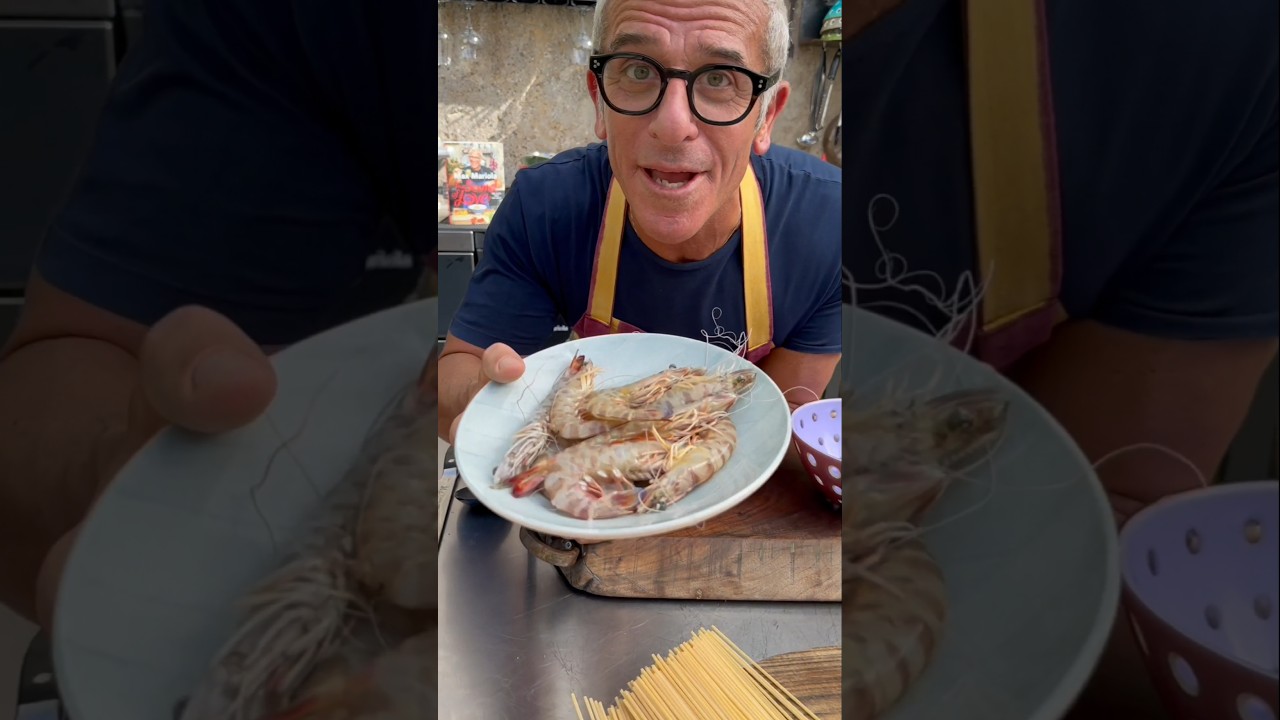
How to Make Creamy Shrimp Spaghetti – Step‑by‑Step Guide for Home Cooks
Learn to create a restaurant‑quality shrimp pasta in under an hour. This guide walks you through cleaning fresh mazzancolle, building a fragrant shrimp stock, and finishing a silky cream sauce that coats every strand of spaghetti.
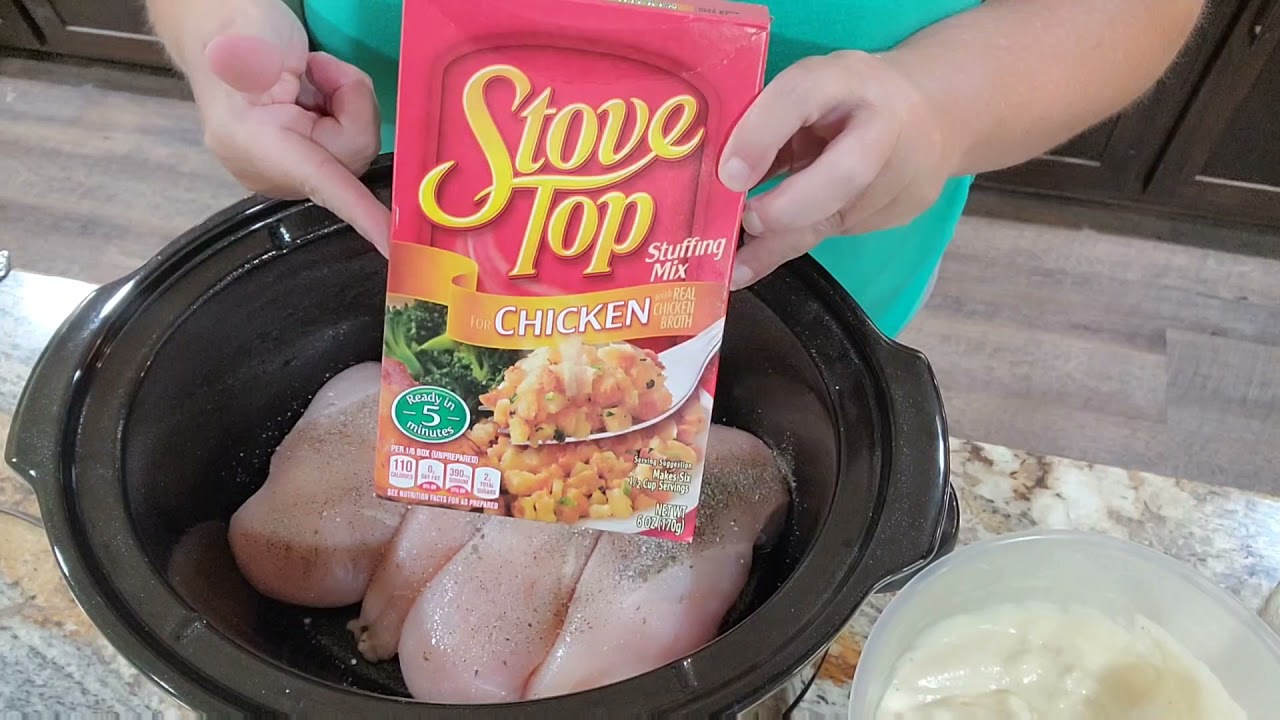
How to Make Summertime Thanksgiving in a Crock Pot Bowl - Easy One-Pot Meal
Learn to create a delicious Thanksgiving‑in‑the‑summer one‑pot dish using a crock pot, chicken, stuffing, and fresh summer sides. Perfect for busy days, this recipe cooks while you work and serves a comforting, festive meal in under five hours.