
How to Make Albaik-Style Fried Chicken - Crispy, Spicy Recipe for Home Cooks
Learn the step‑by‑step method to create authentic Albaik‑style fried chicken at home. This guide covers sauce injection, marinating, a secret dry batter, and perfect frying for a crunchy, flavorful result.
Learn how to make albaik-style fried chicken - crispy, spicy recipe for home cooks. Learn the step‑by‑step method to create authentic Albaik‑style fried chicken at home. This guide covers sauce injection, marinating, a secret dry batter, and perfect frying for a crunchy, flavorful result. This comprehensive guide will walk you through everything you need to know, from the materials and tools required to detailed step-by-step instructions. Whether you're a intermediate, this guide has you covered.
What You'll Need
Materials
- Whole chicken (cut into 8 pieces)(1 (≈1.5 kg))
Bone‑in pieces for authentic texture
Where to find: Local butcher or supermarket
Cost: $12.00
- Hot sauce (e.g., Tabasco)(1/4 cup)
Base of injection sauce
Where to find: Grocery store condiment aisle
Cost: $3.00
- Red chili sauce(2 tbsp)
Adds depth and color
Where to find: Asian food aisle
Cost: $2.00
- Soy sauce(2 tbsp)
Umami balance
Where to find: Any grocery store
Cost: $1.00
- All‑purpose flour(1 cup)
Primary dry batter component
Where to find: Bakery aisle
Cost: $0.50
- Cornflour(1/4 cup)
Creates extra crispness
Where to find: Baking aisle
Cost: $0.30
- Baking powder(1 tsp)
Lightens batter
Where to find: Baking aisle
Cost: $0.10
- Spices (garlic powder, onion powder, paprika, white pepper, oregano, chili powder)(1 tsp each)
Season the batter
Where to find: Spice aisle
Cost: $1.00
- Vegetable oil (for frying)(2‑3 L)
Medium‑high smoke point
Where to find: Grocery store
Cost: $4.00
- Ice water(2 cups)
Cold dip for batter adhesion
Where to find: Tap water + ice cubes
Tools
- Meat injector (syringe)
Delivers sauce into chicken meat
Alternatives: Large piping bag with a narrow tip
- Large mixing bowls
For sauces and batter
Alternatives: Plastic or stainless steel bowls
- Whisk or fork
Mixing sauces and batter evenly
Alternatives: Hand mixer
- Deep‑fat fryer or heavy‑bottomed pot
Maintains steady oil temperature
Alternatives: Dutch oven
- Thermometer (oil)
Ensures oil stays at 170‑180 °C
Alternatives: Infrared thermometer
- Wire rack with paper towels
Drains excess oil after frying
Alternatives: Baking sheet
- Tongs
Handles hot chicken safely
Alternatives: Slotted spoon
Step-by-Step Instructions
Mix the Injection Sauce
Combine hot sauce, red chili sauce, soy sauce, vinegar, onion powder, white pepper, garlic powder, paprika, and a pinch of salt.
In a medium bowl, whisk together 1/4 cup hot sauce with two tablespoons of red chili sauce, two tablespoons of soy sauce, one teaspoon of vinegar, and the dry seasonings (onion powder, white pepper, garlic powder, paprika, and a pinch of salt). This blend creates a balanced heat profile—hot sauce provides the initial kick, while soy sauce adds umami depth and vinegar brightens the flavor. Whisk until the mixture is smooth and the salt is fully dissolved. The sauce must be slightly thick so it stays in the syringe without leaking, yet fluid enough to travel through the needle and coat the interior of the meat. Let the sauce rest for five minutes to allow the flavors to meld before injection.
10 minutes
Tips:
- Taste the sauce and adjust heat with extra chili if you like it spicier
- Use a small funnel to avoid spills when transferring to the injector
Warnings:
- Do not over‑mix; vigorous beating can create bubbles that affect injection consistency
Inject Sauce into Chicken Pieces
Using a meat injector, slowly inject half of the sauce into each chicken piece, focusing near the bone.
Fill the meat injector with the prepared sauce, ensuring no air bubbles remain. Starting at the thickest part of each chicken piece—usually near the thigh or drumstick—insert the needle at a shallow angle, just beside the bone, and gently press the plunger to release a small amount of sauce. Rotate the needle around the piece, injecting in several spots to distribute flavor evenly. The goal is to saturate the meat without creating large pockets of liquid that could burst during frying. After all pieces are injected, rub the remaining sauce over the exterior of the chicken, creating a thin coating that will later blend with the dry batter. This dual approach guarantees flavor both inside and out.
15 minutes
Tips:
- Work on a clean surface to avoid cross‑contamination
- Inject slowly to prevent the needle from breaking
Warnings:
- The injector needle is sharp; handle with care to avoid puncture injuries
Marinate the Chicken
Cover the injected chicken and refrigerate for at least 2 hours, preferably overnight.
Place the sauce‑coated chicken pieces in a shallow, airtight container or a zip‑lock bag, ensuring they lie in a single layer for even marination. Seal tightly and refrigerate. The minimum two‑hour period allows the injected sauce to permeate the meat fibers, while an overnight rest maximizes flavor absorption and tenderizes the protein. If you’re short on time, a quick 30‑minute room‑temperature rest can still improve taste, but the depth will be less pronounced. Remember to keep the chicken at a safe temperature (below 4 °C) to prevent bacterial growth. When ready to cook, remove the chicken and let it sit at room temperature for about 15 minutes to reduce temperature shock when it hits the hot oil.
2 hours (minimum)
Tips:
- Label the container with the start time to avoid over‑marinating
- Pat the chicken dry with paper towels before battering to improve coating adhesion
Warnings:
- Never leave raw chicken at room temperature for more than two hours
Prepare the Dry Batter
Combine flour, cornflour, baking powder, and all listed spices in a bowl.
In a large mixing bowl, sift together one cup of all‑purpose flour, 1/4 cup cornflour, and one teaspoon of baking powder. Add the dry spice blend: one teaspoon each of chicken powder (or poultry seasoning), onion powder, garlic powder, ground red chili, paprika, oregano, and white pepper, plus a pinch of salt. Whisk thoroughly to ensure even distribution of leavening agents and spices. The cornflour contributes a lighter, crispier crust, while baking powder creates tiny air pockets that keep the coating from becoming dense. This dry mixture will later cling to the moist chicken surface, forming the foundation of the signature crunch.
10 minutes
Tips:
- Sift the flour mixture to avoid lumps
- Adjust salt to taste if you prefer a saltier crust
Warnings:
- Do not add baking soda; it will give an off‑flavor and affect texture
Create an Ice‑Water Dip
Fill a bowl with ice water and submerge the chicken briefly before coating.
Fill a deep bowl with two cups of cold water and add a generous amount of ice cubes to bring the temperature close to 0 °C. This icy bath shocks the surface of the marinated chicken, tightening the protein fibers and creating a slight glaze that helps the dry batter adhere more firmly. Submerge each piece for two to three seconds—just enough to chill the exterior without soaking the meat. Remove and let excess water drip off; the brief chill also helps the batter set quickly when it contacts hot oil, preventing the coating from sliding off.
5 minutes
Tips:
- Use a slotted spoon to lift the chicken out of the water quickly
- If you lack ice, chill the water in the freezer for 15 minutes beforehand
Warnings:
- Do not leave chicken in water for longer than 10 seconds, or the coating may become soggy
Coat the Chicken in Batter
Dredge each chilled piece in the dry batter, dip in ice water, then re‑coat for a double layer.
Place a handful of dry batter on a shallow plate. Roll each chilled chicken piece in the batter, pressing gently to ensure full coverage. Immediately dip the coated piece back into the ice‑water for two seconds, allowing the batter to hydrate slightly and stick better. Return the piece to the dry batter and coat again, patting lightly to create an even, thick layer. Repeat this double‑coating process for all pieces, ensuring no gaps. The second coat forms a barrier that traps moisture inside while forming a crunchy exterior when fried. After coating, let the chicken rest on a wire rack for a few minutes; this helps the batter set and reduces splatter when it meets hot oil.
20 minutes
Tips:
- Shake off excess batter before the second dip to avoid clumps
- Use a clean plate for each coating round to keep batter from becoming watery
Warnings:
- Avoid overcrowding the coating area; a thin batter may break during frying
Fry the Chicken
Heat oil to 170‑180 °C and fry chicken pieces for 12‑15 minutes, turning occasionally.
Fill a deep‑fat fryer or heavy pot with enough vegetable oil to submerge the chicken pieces (about 2‑3 L). Heat the oil over medium heat, using a thermometer to maintain a steady 170‑180 °C (340‑355 °F). Once the oil reaches temperature, gently lower a few chicken pieces using tongs, ensuring they do not touch each other. Fry for 12‑15 minutes, turning every 3‑4 minutes to promote even browning. The medium heat allows the interior to cook through without burning the crust. When the coating turns golden‑brown and the internal temperature reaches 75 °C (165 °F), remove the chicken and place it on a wire rack lined with paper towels to drain excess oil. This stepwise frying yields a juicy interior and a crisp, flavorful crust reminiscent of the original Albaik.
15 minutes
Tips:
- Do not crowd the pot; fry in batches for consistent temperature
- If the oil starts smoking, reduce heat immediately
Warnings:
- Hot oil can cause severe burns; keep children and pets away from the cooking area
Rest, Serve, and Enjoy
Let the fried chicken rest for 5 minutes, then serve with your favorite sides.
After draining, transfer the chicken to a clean wire rack and let it rest for five minutes. This short rest allows steam to escape, preventing the crust from becoming soggy and letting the juices redistribute within the meat for maximum tenderness. Serve the Albaik‑style chicken hot, accompanied by garlic sauce, pickles, or a simple salad. The combination of a spicy, juicy interior and a crunchy exterior makes it perfect for family meals, gatherings, or even as a party snack. Enjoy the authentic taste of Saudi Arabia’s beloved fast‑food classic, crafted entirely in your own kitchen.
5 minutes
Tips:
- Serve immediately for optimal crispness
- Pair with a cooling yogurt dip to balance the heat
Warnings:
- Do not re‑fry leftovers; reheating in an oven preserves crispness better
Conclusion
You've now learned how to make albaik-style fried chicken - crispy, spicy recipe for home cooks! By following these 8 detailed steps, you should be able to successfully complete this task. Remember to keep the oil temperature steady; a thermometer is essential. If you encounter any issues, refer back to the troubleshooting section above.
Common Mistakes to Avoid
❌ Oil too hot, causing burnt exterior and raw interior
✅ Monitor temperature with a thermometer and maintain medium heat (170‑180 °C)
❌ Skipping the ice‑water dip, leading to batter sliding off
✅ Always chill the chicken briefly in ice water before the second coating
❌ Overcrowding the fryer, dropping oil temperature
✅ Fry in small batches and allow oil to return to target temperature between batches
Troubleshooting
Problem: Coating falls off during frying
Solution: Ensure the chicken is dry before battering and double‑coat with a brief ice‑water dip
Problem: Chicken is soggy after cooking
Solution: Maintain proper oil temperature and avoid excess batter; drain on a wire rack, not paper towels alone
Problem: Spice level is too mild
Solution: Increase the amount of red chili sauce or add extra cayenne pepper to the injection sauce
Frequently Asked Questions
Can I use boneless chicken breasts instead of bone‑in pieces?
Yes, but bone‑in pieces provide more flavor and juiciness. If using boneless, reduce injection time and adjust frying time to 8‑10 minutes.
What if I don’t have a meat injector?
You can use a large piping bag with a narrow tip or a squeeze bottle to distribute the sauce, though injection depth may be less precise.
Is it necessary to use both flour and cornflour?
Both create a lighter, crispier crust; cornflour adds crunch, while flour gives structure. You can substitute all‑purpose flour alone, but the texture will be slightly heavier.
How long can leftovers be stored?
Refrigerate in an airtight container for up to 3 days. Reheat in a preheated oven at 180 °C (350 °F) for 10‑12 minutes to restore crispness.
Can I make this recipe gluten‑free?
Replace all‑purpose flour with a gluten‑free blend and ensure the cornflour is pure corn starch. Use a gluten‑free baking powder as well.
Quick Info
- Difficulty
- Intermediate
- Time Required
- 2 hours (including marination)
- Estimated Cost
- $23.90 USD
- Category
- Food & Cooking
Safety First
- •Handle the meat injector needle carefully to avoid puncture injuries
- •Never leave hot oil unattended; keep a lid nearby to smother flames
- •Use oven mitts when handling the fryer and draining hot chicken
Pro Tips
- •Keep the oil temperature steady; a thermometer is essential
- •Pat the chicken dry after marinating to improve batter adhesion
- •Use a double‑coat batter for extra crunch
- •Inject sauce close to the bone for deeper flavor penetration
- •Let the fried chicken rest briefly before serving to lock in juices
Before You Start
- Basic knife skills for cutting chicken
- Understanding of oil temperature control
- Access to a kitchen scale or measuring cups
What's Next?
- →Experiment with different spice blends for the injection sauce
- →Try a baked version using the same batter for a lower‑fat alternative
- →Learn to make traditional Saudi garlic sauce to serve alongside
Related How-To Guides

How to Make Pokemon-Themed Desserts for Kids - Step by Step Fun Guide
Learn how to create adorable Pokemon-inspired desserts that kids will love. This step‑by‑step guide covers everything from planning the theme to decorating with fondant and candy, perfect for birthday parties or a fun family activity.

How to Make Perfect No-Knead French Baguettes – Crispy, Light, Step‑by‑Step for Beginners
Learn to bake authentic French baguettes at home without kneading. This step‑by‑step guide covers mixing, folding, shaping, and steaming for a crispy crust and airy crumb.

How to Make Kid-Friendly One-Pot Meals - 10 Easy Recipes for Busy Parents
Learn to whip up ten quick, nutritious one‑pot meals that kids love. From squid stir‑fry to shrimp oat risotto, each recipe uses simple ingredients, minimal cleanup, and kid‑approved flavors.

How to Make Rich Dried Pollack Soup – Step by Step Guide for Beginners
Learn to create a deep‑flavored, milky dried pollack (북어) soup that tastes like it was simmered in a traditional Korean cauldron. This guide walks you through every step, from prepping the fish to perfecting the broth.
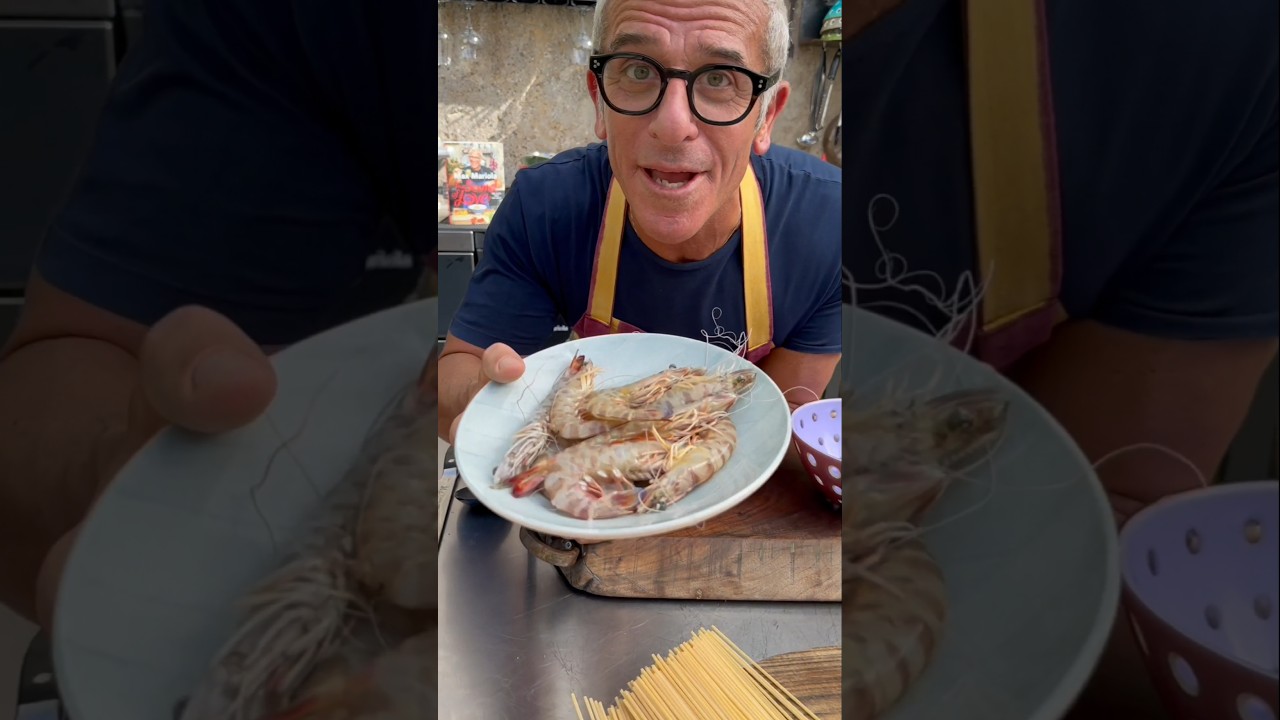
How to Make Creamy Shrimp Spaghetti – Step‑by‑Step Guide for Home Cooks
Learn to create a restaurant‑quality shrimp pasta in under an hour. This guide walks you through cleaning fresh mazzancolle, building a fragrant shrimp stock, and finishing a silky cream sauce that coats every strand of spaghetti.
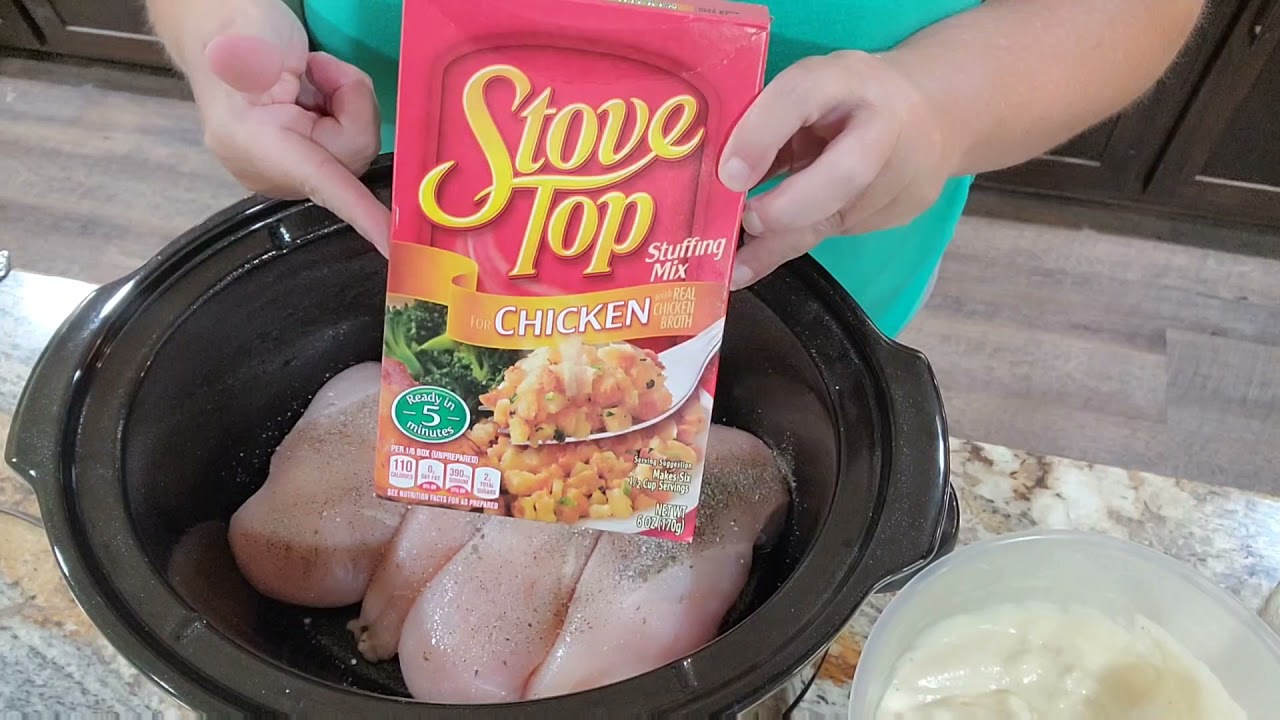
How to Make Summertime Thanksgiving in a Crock Pot Bowl - Easy One-Pot Meal
Learn to create a delicious Thanksgiving‑in‑the‑summer one‑pot dish using a crock pot, chicken, stuffing, and fresh summer sides. Perfect for busy days, this recipe cooks while you work and serves a comforting, festive meal in under five hours.