
How to Start a Profitable AI Business for Beginners - 4 Easy Models Explained
Learn step‑by‑step how to launch a low‑cost AI‑powered business in 2024. This guide covers faceless YouTube channels, AI commerce, affiliate marketing, and AI publishing, with tools, costs, and actionable tips.
Learn how to start a profitable ai business for beginners - 4 easy models explained. Learn step‑by‑step how to launch a low‑cost AI‑powered business in 2024. This guide covers faceless YouTube channels, AI commerce, affiliate marketing, and AI publishing, with tools, costs, and actionable tips. This comprehensive guide will walk you through everything you need to know, from the materials and tools required to detailed step-by-step instructions. Whether you're a beginner, this guide has you covered.
What You'll Need
Materials
- Sora AI subscription(1 account)
Generates video clips for faceless channels and TikTok ads
Where to find: sora.ai
Cost: $29.99
- Suno AI music subscription(1 account)
Creates royalty‑free background tracks
Where to find: suno.ai
Cost: $19.99
- Domain name(1)
Professional URL for your store or channel brand
Where to find: namecheap.com
Cost: $12.00
- Canva Pro subscription(1 account)
Design thumbnails, ebook covers, ad creatives
Where to find: canva.com
Cost: $12.99
- Google Flow (or similar AI video avatar)(1 account)
Creates realistic human‑like spokesperson videos for affiliate marketing
Where to find: google.com/flow
- ChatGPT Plus(1 account)
Prompt engineering, copywriting, product validation
Where to find: openai.com
Cost: $20.00
- TikTok Shop affiliate account(1)
Earn commissions by promoting products
Where to find: tiktok.com/creator/affiliate
Tools
- ChatGPT (or Claude)
Generates product research, scripts, and ad copy
Alternatives: Gemini, Bard
- Sora AI video generator
Creates short‑form video loops for YouTube and TikTok
Alternatives: Runway, Pictory
- Suno AI music generator
Produces royalty‑free background tracks
Alternatives: AIVA, Soundraw
- Shopify admin dashboard
Builds and manages your e‑commerce store
Alternatives: WooCommerce, BigCommerce
- Canva Pro
Designs thumbnails, ebook covers, ad creatives
Alternatives: Adobe Spark, Visme
- Google Flow (AI avatar)(Optional)
Creates realistic spokesperson videos for affiliate promos
Alternatives: Synthesia, D‑ID
- Facebook Ads Manager(Optional)
Runs paid traffic campaigns for AI commerce
Alternatives: TikTok Ads, Google Ads
- Etsy seller portal(Optional)
Lists AI‑generated ebooks and custom books
Alternatives: Amazon KDP, Gumroad
Step-by-Step Instructions
Choose the AI Business Model That Fits Your Goals
Review the four models and select one based on your interests, budget, and time commitment.
Each AI business model has distinct strengths. A faceless YouTube channel requires minimal upfront cost and can generate passive ad revenue once videos accumulate views. AI commerce leverages product sourcing and paid ads to build a scalable brand, but it needs a modest ad budget. AI affiliate marketing on TikTok is the quickest cash‑flow option, yet it depends on platform stability and follower growth. AI publishing creates digital or print books with virtually no inventory, but volume sales are needed for significant profit. By mapping your personal strengths—whether you enjoy video editing, product research, or writing—you can pick the model that aligns with your schedule and risk tolerance. This decision shapes the tools you’ll prioritize and the timeline you’ll follow.
30 minutes
Tips:
- Write down pros and cons of each model
- Check your available budget before deciding
Warnings:
- Choosing a model without understanding its revenue timeline can lead to frustration
Set Up Your Core AI Content Creation Suite
Create accounts for Sora AI, Suno AI, ChatGPT, and Canva; configure billing.
The backbone of any AI‑driven business is a reliable content creation suite. Start by signing up for Sora AI, which will generate video loops or short clips for YouTube and TikTok. Next, subscribe to Suno AI to produce royalty‑free background music that matches the mood of your videos or product ads. Open a ChatGPT Plus account to handle prompt engineering, product validation, and copywriting; this AI can also generate scripts for your videos. Finally, activate Canva Pro for designing eye‑catching thumbnails, ebook covers, and ad creatives. Ensure each platform’s payment method is linked to avoid interruptions. Test each tool with a simple prompt—like a 10‑second cyberpunk loop in Sora and a 30‑second lo‑fi track in Suno—to confirm they work before moving forward.
2 hours
Tips:
- Save your most effective prompts in a Google Doc for reuse
- Enable two‑factor authentication for account security
Warnings:
- Do not share your subscription credentials publicly; it can lead to unauthorized usage
Build Your Publishing Platform (Channel, Store, or Marketplace)
Create a YouTube channel, Shopify store, TikTok profile, or Etsy shop based on your chosen model.
Depending on the model you selected, set up the appropriate publishing platform. For a faceless YouTube channel, create a new Google account, design a channel banner in Canva, and write a concise channel description that includes relevant keywords. For AI commerce, register a domain, launch a Shopify Basic store, install a clean theme, and configure payment gateways. For TikTok affiliate marketing, open a TikTok creator account, switch to a Business profile, and apply for the TikTok Shop affiliate program. For AI publishing, open an Etsy seller account (or Amazon KDP) and set up your shop policies. Populate each platform with at least one piece of placeholder content so the audience sees a professional presence from day one.
3 hours
Tips:
- Use the same branding (logo, colors) across all platforms for consistency
- Add a short ‘About’ video or image to build trust
Warnings:
- Avoid using copyrighted images or music; always verify AI‑generated assets are royalty‑free
Create and Publish Your First AI‑Generated Asset
Generate a video or ebook using AI tools, edit in Canva, and upload to your platform.
Start with a high‑impact piece that showcases the power of AI. For a YouTube channel, prompt Sora AI with a specific scene—e.g., ‘anime style loop of a person coding in a cyberpunk city’—and let it render a 30‑second clip. Simultaneously, ask Suno AI for a matching lo‑fi track. Use Canva to combine the video and audio, add a title screen, and export as MP4. Write a keyword‑rich description using ChatGPT, then schedule the upload. For an AI commerce product, feed ChatGPT a product validator prompt (e.g., ‘portable space heater 23in remote’) to confirm market viability, then generate ad copy and a short video ad in Sora. Upload the ad to Facebook Ads Manager and link it to your Shopify product page. For an ebook, prompt Nano Banana with a child’s photo and story idea, generate the pages, design a cover in Canva, and list the finished product on Etsy. This step demonstrates the end‑to‑end workflow and provides a tangible asset to start attracting traffic.
4 hours
Tips:
- Keep video length under 2 minutes for TikTok and YouTube Shorts
- Test multiple music variations to see which retains viewers longer
Warnings:
- Do not publish AI‑generated content that violates community guidelines; platforms may remove it
Launch Marketing, Track Metrics, and Scale
Promote your asset, monitor performance, and iterate based on data.
With your first asset live, drive traffic using organic and paid strategies. For YouTube, share the video on Reddit, Discord, and relevant forums; enable SEO by adding tags and timestamps. For Shopify, launch a low‑budget Facebook or TikTok ad campaign targeting interests identified during product research. For TikTok affiliate videos, post daily, engage with comments, and use trending sounds to boost discoverability. Track key metrics—views, click‑through rate, cost per acquisition, and revenue—in Google Analytics or the platform’s native dashboard. Analyze which prompts, music styles, or thumbnail designs yield the highest engagement, then replicate those elements in future content. As revenue stabilizes, reinvest a portion of profits into higher‑budget ads, additional AI subscriptions, or hiring a virtual assistant to automate repetitive tasks, thereby scaling your AI business sustainably.
Ongoing (initial 1 week intensive)
Tips:
- Set up automated email alerts for spikes in traffic
- A/B test two thumbnail versions for each video
Warnings:
- Avoid scaling ad spend too quickly; monitor ROAS to prevent wasted budget
Conclusion
You've now learned how to start a profitable ai business for beginners - 4 easy models explained! By following these 5 detailed steps, you should be able to successfully complete this task. Remember to start with a narrow niche to reduce competition. If you encounter any issues, refer back to the troubleshooting section above.
Common Mistakes to Avoid
❌ Skipping niche research and creating generic content
✅ Use ChatGPT and TikTok Shop trend tools to identify underserved micro‑niches before you start
❌ Uploading low‑resolution AI videos that look spammy
✅ Set Sora AI to at least 1080p and use Canva to add crisp text overlays
❌ Relying solely on organic traffic without any paid push
✅ Allocate a modest daily ad budget (e.g., $5‑$10) to jump‑start visibility and gather data
❌ Neglecting YouTube SEO (tags, description, timestamps)
✅ Generate a keyword list with ChatGPT and insert them into the video’s metadata
❌ Using the same prompt for every piece of content
✅ Iterate prompts, tweak styles, and keep a prompt library to maintain variety
Troubleshooting
Problem: Video rendering fails or takes too long in Sora AI
Solution: Check your internet connection, clear browser cache, and consider upgrading to a higher‑tier plan for faster processing
Problem: Facebook ad account disapproved for policy violation
Solution: Review the ad creative for prohibited content, replace any AI‑generated faces with stock images, and submit an appeal with a clear explanation
Problem: Low view count despite publishing daily
Solution: Audit your thumbnails and titles for click‑bait vs. relevance, improve SEO using ChatGPT‑generated tags, and cross‑promote on other social platforms
Problem: Etsy listings get removed for copyright claims
Solution: Ensure all AI‑generated illustrations are truly original, add a disclaimer, and keep the prompt logs as proof of creation
Problem: ChatGPT returns vague product validation results
Solution: Provide more specific parameters in the prompt (e.g., target price, competition level) and use the built‑in browsing tool if available
Frequently Asked Questions
Do I need any technical coding skills to start an AI business?
No. All the tools mentioned have user‑friendly interfaces, and you can rely on ChatGPT for any copy or code snippets you might need.
Can I use free versions of these AI tools?
Free tiers exist but are limited in output quality and daily usage; a modest monthly budget ($50‑$100) unlocks higher resolution videos and longer music tracks, which dramatically improves results.
How quickly can I expect to earn my first $100?
Many creators see their first $100 within the first two weeks of publishing consistent YouTube Shorts or TikTok affiliate videos, especially if they target trending niches.
Is it safe to rely on AI‑generated content for a long‑term business?
Yes, as long as you stay updated on platform policies and ensure your AI assets are original, you can build a sustainable brand that scales with newer AI models.
What if my chosen product becomes saturated quickly?
Use ChatGPT to continuously scan emerging TikTok trends and rotate to new products every 30‑45 days, keeping your store fresh and competitive.
Quick Info
- Difficulty
- Beginner
- Time Required
- 2-4 weeks
- Estimated Cost
- $123.97 USD
- Category
- Business & Finance
Safety First
- •Never upload copyrighted music or footage; always verify AI‑generated assets are royalty‑free
- •Protect your account passwords with a password manager
- •Comply with GDPR and CCPA when collecting customer emails
- •Avoid sharing personal financial details in public forums
- •Monitor AI tool terms of service for any usage restrictions
Pro Tips
- •Start with a narrow niche to reduce competition
- •Batch‑produce content to maintain consistency
- •Leverage ChatGPT for rapid scriptwriting and SEO titles
- •Always double‑check AI‑generated images for inadvertent copyrighted elements
- •Reinvest early profits into higher‑quality AI subscriptions for better output
Before You Start
- A computer with internet access
- Basic understanding of YouTube, Shopify, or TikTok interfaces
- Willingness to learn prompt engineering
- A modest budget for subscriptions and ads
What's Next?
- →Enroll in the free AI Commerce masterclass for deeper case studies
- →Experiment with advanced AI video tools like Runway or Synthesia
- →Scale by hiring a virtual assistant to handle daily uploads
- →Explore AI‑driven email marketing automation
- →Create a multi‑channel brand presence across YouTube, TikTok, and Instagram
Related How-To Guides
How to Build a $1M AI Business with Zero Employees - Step-by-Step Guide
Learn the exact four‑step AI Startup Ladder to launch a high‑profit AI service—like appointment setters, content repurposing, chatbots, data cleanup, or inbox managers—without hiring staff. Follow Dan Martell’s proven framework and start earning $500‑$5,000 per day.
How to Build a $1M Mobile App in 365 Days - Step by Step
Learn the exact process Steven Cravotta used to create a $1.1M two‑sided marketplace app in one year, from idea validation to launch, marketing, and monetization.
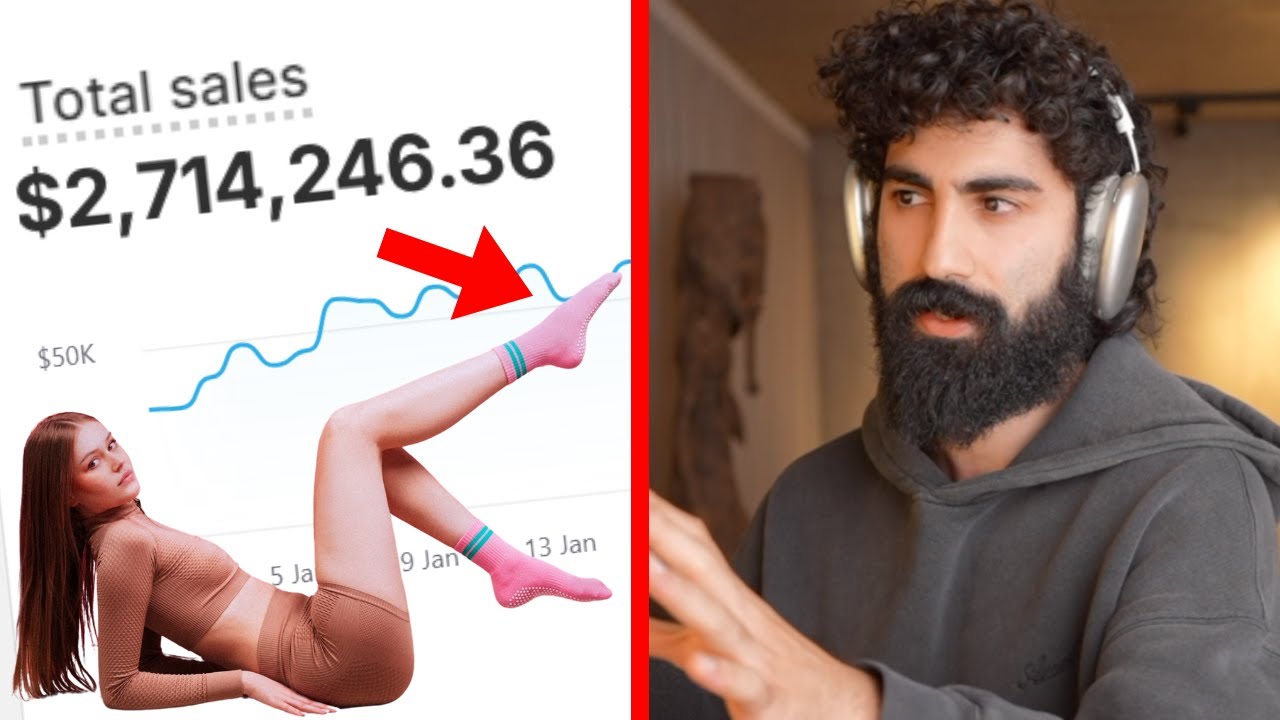
How to Build a $2.7M AI-Powered Brand from Scratch - Step-by-Step Guide
Learn the exact AI‑driven process Seena Rez used to discover an untapped product, create a resonant brand, shoot viral videos, and launch a $2.7 million store in 30 days. Follow each step, from market research to retargeting ads, with tools, costs, and pro tips.
How to Create AI-Generated UGC Ads with Arcads – Step by Step Guide for 2026
Learn to build high‑converting user‑generated‑content ads in minutes using Arcads AI. This guide walks you through script creation, actor selection, B‑roll generation, upscaling, and final export for flawless, trend‑ready ads.

How to Build a One-Person AI Business That Can Scale to $1M+ - Step‑by‑Step Guide
Learn how to launch a solo AI‑powered company from idea validation to automated operations, using affordable tools and proven frameworks that can generate six‑figure revenue in under a year.
How to Build a Calorie-Tracking App with AI - Step by Step for Beginners
Learn how 18‑year‑old entrepreneur Zach Yadagari created Cali, an AI‑powered calorie scanner that earns $1.4 M/month. This guide walks you through planning, development, AI integration, launch, and marketing in a clear, actionable format.