
How to Reverse Aging Naturally - Step-by-Step Blueprint from GetsetflySCIENCE
Learn a science‑backed, step‑by‑step routine to slow and even reverse biological aging using lifestyle tweaks, targeted supplements, and simple monitoring tools—all without costly surgeries.
Learn how to reverse aging naturally - step-by-step blueprint from getsetflyscience. Learn a science‑backed, step‑by‑step routine to slow and even reverse biological aging using lifestyle tweaks, targeted supplements, and simple monitoring tools—all without costly surgeries. This comprehensive guide will walk you through everything you need to know, from the materials and tools required to detailed step-by-step instructions. Whether you're a advanced, this guide has you covered.
What You'll Need
Materials
- Collagen Peptide Powder(30 g per day)
Mix into morning smoothie for tissue repair
Where to find: Health food stores or online retailers like Amazon
Cost: $25.00
- N‑Acetyl Cysteine (NAC) Capsules(600 mg twice daily)
Antioxidant to boost glutathione
Where to find: Pharmacy or supplement shop
Cost: $15.00
- Curcumin‑Black Pepper Extract(500 mg with meals)
Reduces systemic inflammation
Where to find: Online supplement stores
Cost: $20.00
- Calcium Alpha‑Ketoglutarate (Ca‑AKG)(2 g per day)
Supports cellular metabolism and bone health
Where to find: Specialty supplement retailers
Cost: $30.00
- Nicotinamide Riboside (NR)(300 mg daily)
Boosts NAD+ for DNA repair
Where to find: Vitamin shops
Cost: $40.00
- High‑Resolution Blood Test Kit(1 kit per quarter)
Measures creatinine, cholesterol, fasting glucose, CRP, etc.
Where to find: Direct‑to‑consumer labs like Everlywell
Cost: $120.00
- Sleep Tracker (Wearable)(1 device)
Monitors sleep stages and heart rate variability
Where to find: Electronics stores or online
Cost: $99.00
- Meditation App Subscription(1 year)(Optional)
Guided sessions for stress reduction
Where to find: App stores (Headspace, Calm)
Cost: $70.00
Tools
- Digital Food Scale
Accurately measures calorie intake
Alternatives: Kitchen measuring cups
- Blood Pressure Monitor
Tracks cardiovascular health daily
Alternatives: Smartwatch with BP feature
- Pulse Oximeter
Monitors oxygen saturation during sleep
Alternatives: Smart ring
- Journal or Digital Tracker
Logs diet, supplements, sleep, and mood
Alternatives: Notion template, Google Sheets
- Thermometer
Ensures water and food are at optimal temperatures for digestion
Alternatives: Infrared forehead thermometer
Step-by-Step Instructions
Establish a Precise Biomarker Baseline
Run a comprehensive blood panel and record baseline metrics.
Begin by ordering a high‑resolution blood test that includes kidney function (creatinine), liver enzymes, lipid profile, fasting glucose, C‑reactive protein (CRP), and vitamin D levels. Simultaneously, start using a wearable sleep tracker to capture total sleep time, sleep efficiency, and heart‑rate variability. Record all data in a dedicated journal or digital spreadsheet. This baseline serves as the reference point for every subsequent adjustment; without it, you cannot determine whether a supplement or lifestyle tweak is moving the needle. Review the results with a qualified clinician or a certified functional medicine practitioner to interpret any out‑of‑range values and prioritize organ systems that need the most attention. This step typically takes 1‑2 weeks, including test processing time.
2 weeks
Tips:
- Schedule the blood draw early in the morning after an overnight fast
- Sync your wearable with the companion app for automatic data export
Warnings:
- Do not self‑diagnose; always consult a healthcare professional before interpreting results
Optimize Sleep Architecture
Adopt a fixed sleep‑wake schedule and improve sleep quality.
Brian Johnson’s protocol hinges on a strict 8:30 PM bedtime and a wake‑time around 6:00 AM, yielding roughly 9.5 hours of sleep. Align your circadian rhythm by dimming lights an hour before bedtime, avoiding screens, and using blue‑light blocking glasses if necessary. Keep the bedroom cool (≈18‑20 °C) and dark, and consider a short 20‑minute meditation session before sleep to lower cortisol. Track sleep stages with your wearable; aim for at least 20% deep sleep and 25% REM. Consistent sleep improves hormone balance, enhances DNA repair mechanisms, and reduces inflammatory markers, directly influencing biological age. Adjust gradually—shift bedtime by 15 minutes each night until you reach the target window.
1 week to adjust, then ongoing
Tips:
- Use a white‑noise machine if ambient sounds disturb you
- Limit caffeine after 2 PM
Warnings:
- Avoid alcohol close to bedtime; it fragments REM sleep
Implement Calorie‑Restricted Vegan Nutrition
Consume ~250 kcal of nutrient‑dense vegan meals within a 5‑hour eating window.
Research shows that mild caloric restriction (20‑30% below maintenance) can activate longevity pathways like autophagy and sirtuin expression. Follow a time‑restricted feeding schedule where your last meal is finished by 11:00 AM, creating a 19‑hour fast. Focus on low‑calorie, high‑fiber vegetables, leafy greens, cruciferous veggies, and plant‑based proteins such as lentils and tempeh. Supplement the diet with a high‑quality multivitamin to prevent micronutrient deficiencies. This eating pattern stabilizes insulin, lowers IGF‑1, and reduces oxidative stress, all of which contribute to slower epigenetic aging. Monitor energy levels; if fatigue occurs, slightly increase protein intake while keeping calories low.
Ongoing, adjust weekly
Tips:
- Batch‑cook vegetables on Sundays to simplify daily prep
- Add a splash of lemon juice to improve iron absorption
Warnings:
- Do not drop below 1200 kcal without medical supervision
Start the Targeted Supplement Stack
Take a daily regimen of 8–10 evidence‑based anti‑aging supplements.
The supplement stack mirrors Johnson’s 111‑pill protocol but is streamlined for practicality. Begin each morning with 30 g collagen peptides dissolved in water to supply amino acids for skin, joint, and lung tissue repair. Follow with NAC (600 mg) and curcumin‑black pepper (500 mg) to combat oxidative stress and inflammation. Mid‑day, ingest calcium‑AKG (2 g) and nicotinamide riboside (300 mg) to boost cellular metabolism and NAD+ levels, essential for DNA repair. Evening doses of taurine (1 g) and riboside variants support mitochondrial function. Adjust dosages based on blood test feedback; for example, high CRP may warrant increased curcumin. Consistency is key—missing doses can blunt the cumulative effect on epigenetic markers.
Daily, ongoing
Tips:
- Take fat‑soluble supplements (curcumin) with a small amount of healthy fat for better absorption
- Use a pill organizer to avoid missed doses
Warnings:
- Consult a physician before starting high‑dose supplements, especially if you have kidney or liver disease
Monitor, Adjust, and Iterate
Review biomarker data monthly and tweak the routine accordingly.
Every four weeks, repeat the comprehensive blood panel and download sleep data from your wearable. Compare new values against your baseline: look for reductions in CRP, improvements in HDL cholesterol, lower fasting glucose, and better sleep efficiency. If a marker remains elevated, identify the likely culprit—perhaps insufficient omega‑3 intake or inadequate sleep depth—and modify the protocol (e.g., add fish oil or extend meditation). Document each change in your journal, noting subjective feelings of energy, mood, and physical performance. This iterative loop embodies the scientific method: hypothesis (current regimen), experiment (adjustment), observation (new data), and conclusion (next step). Over 12 weeks, you should observe measurable shifts in biological age estimates, indicating successful deceleration or reversal of aging processes.
4 weeks per cycle
Tips:
- Set calendar reminders for test appointments
- Use visual graphs to spot trends quickly
Warnings:
- Do not make multiple changes simultaneously; isolate variables to understand their impact
Conclusion
You've now learned how to reverse aging naturally - step-by-step blueprint from getsetflyscience! By following these 5 detailed steps, you should be able to successfully complete this task. Remember to stay hydrated—aim for at least 2.5 l of water daily. If you encounter any issues, refer back to the troubleshooting section above.
Common Mistakes to Avoid
❌ Skipping the baseline blood test and guessing supplement needs
✅ Always start with a comprehensive panel; it prevents wasteful or harmful supplementation
❌ Over‑eating during the eating window, negating caloric restriction
✅ Track calories with a food app and stick to the 250 kcal target until your body adapts
❌ Taking all supplements at once without spacing, causing stomach upset
✅ Space oral supplements throughout the day—morning, midday, evening—and use food to buffer if needed
Troubleshooting
Problem: Persistent fatigue despite following the diet
Solution: Check thyroid function and iron status; consider a modest increase in calorie intake or add adaptogenic herbs like ashwagandha
Problem: Poor sleep quality despite a fixed schedule
Solution: Evaluate bedroom light exposure, reduce caffeine, and try a short melatonin supplement (0.3 mg) under medical guidance
Problem: Gastrointestinal discomfort from collagen or NAC
Solution: Split doses into smaller amounts, take with meals, or switch to hydrolyzed forms that are easier on the stomach
Frequently Asked Questions
Can I achieve the same results without spending millions?
Yes. The core principles—biomarker tracking, sleep optimization, calorie restriction, and a focused supplement stack—are affordable and scalable. You can start with basic blood tests and a few key supplements.
Is fasting safe for everyone?
Fasting is generally safe for healthy adults, but individuals with diabetes, eating disorders, or pregnant women should consult a doctor before beginning any prolonged fast.
Do I need to be vegan to see benefits?
A plant‑centric diet reduces inflammatory compounds and supports telomere health, but you can incorporate modest amounts of high‑quality animal protein if it fits your metabolic profile.
How long before I see measurable changes in my biological age?
Most people notice improvements in sleep quality and energy within 2‑4 weeks; measurable biomarker shifts typically appear after 8‑12 weeks of consistent adherence.
Are there any long‑term risks to taking NAD+ precursors like NR?
Current research shows NR is well‑tolerated up to 1000 mg daily, but long‑term data beyond a few years are limited, so periodic medical review is advisable.
Quick Info
- Difficulty
- Advanced
- Time Required
- 12 weeks
- Estimated Cost
- $419.00 USD
- Category
- Health & Wellness
Safety First
- •Consult a qualified healthcare professional before starting any new supplement regimen
- •Do not exceed recommended dosages; more is not always better
- •Stay hydrated to support kidney function when taking high‑dose NAC or creatine
- •Monitor blood pressure regularly if you have cardiovascular concerns
- •If you experience adverse reactions, discontinue the supplement and seek medical advice
Pro Tips
- •Stay hydrated—aim for at least 2.5 L of water daily
- •Incorporate 10‑minute brisk walks after meals to aid digestion
- •Practice deep‑breathing exercises during meditation to enhance parasympathetic tone
- •Limit exposure to environmental toxins like air pollution and BPA
- •Schedule regular check‑ups with a physician familiar with functional medicine
Before You Start
- Basic understanding of macronutrient composition and calorie counting
- Access to a reliable blood testing service and a wearable sleep tracker
What's Next?
- →Explore advanced epigenetic testing such as Horvath Clock analysis
- →Learn targeted exercise protocols like high‑intensity interval training (HIIT) for mitochondrial health
Related How-To Guides
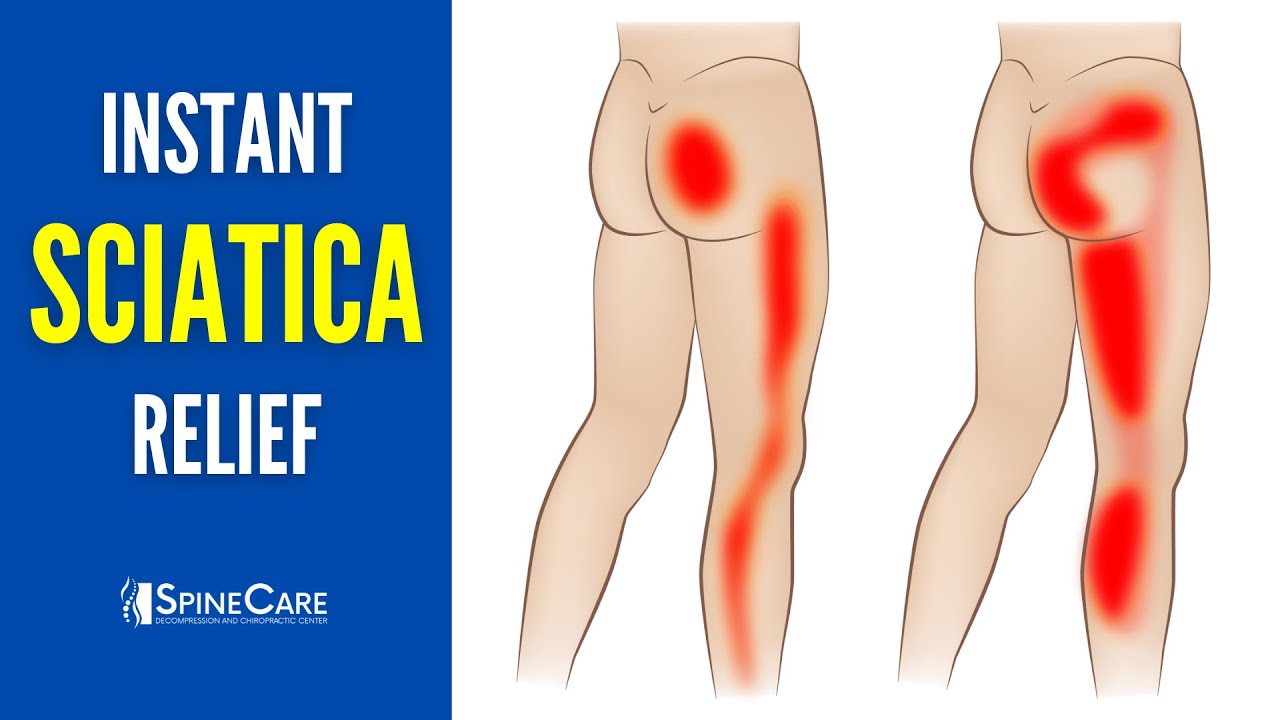
How to Relieve Sciatica Pain Instantly - Step-by-Step Exercises
Learn quick, doctor‑approved exercises that can ease sciatica pain in seconds. Follow this step‑by‑step guide to stretch, strengthen, and release tension wherever you are.

How to Fall Asleep Fast - Proven 2‑Minute Technique for Better Sleep
Learn a scientifically backed, step‑by‑step routine that drops your core temperature, relaxes your body, and clears your mind so you can drift off in just two minutes. Perfect for beginners seeking quick, lasting sleep.